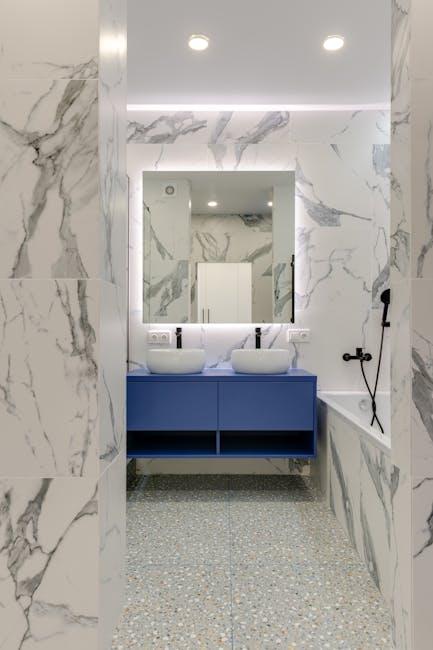
In recent years, the allure of luxury renovations has captivated homeowners and investors alike, transforming ordinary residences into opulent sanctuaries. Marble countertops, bespoke cabinetry, and state-of-the-art smart home technologies have become the hallmarks of modern home improvement, promising not only enhanced living experiences but also substantial returns on investment. However, beneath this veneer of sophistication lies a growing concern: the overvaluation of homes. As properties undergo lavish upgrades, their market values are often propelled to unsustainable heights, creating a disconnect between perceived worth and actual market fundamentals. This article delves into the intricate dynamics of luxury renovations and their impact on property valuations, exploring the potential consequences for homeowners, investors, and the broader real estate market. Through a comprehensive analysis, we aim to unravel the complexities of this phenomenon, offering insights into how luxury enhancements are reshaping the housing landscape.
Impact of High-End Upgrades on Home Market Value
Luxury renovations, while visually stunning and often desirable, can lead to a significant disparity between perceived and actual home value. High-end upgrades such as imported marble countertops, custom cabinetry, and state-of-the-art home automation systems can indeed make a property stand out in the market. However, these enhancements might not always translate to an equivalent increase in market value, especially if they exceed the typical standards of the neighborhood. This mismatch can result in homes being overvalued, causing potential challenges in both selling and refinancing.
- Neighborhood Standards: The value of luxury upgrades can be constrained by the prevailing standards of the area, leading to diminished returns.
- Buyer Perception: Not all buyers appreciate or are willing to pay a premium for high-end features, which can narrow the potential market.
- Maintenance Costs: Expensive materials and systems may increase ongoing maintenance expenses, potentially deterring cost-conscious buyers.
In essence, while luxury renovations can enhance a home’s appeal, they may not always justify a higher price tag in the real estate market. A strategic approach, considering both the target demographic and local market trends, is essential to ensure that such investments yield the desired financial returns.
Assessing the Financial Pitfalls of Overcapitalization
When homeowners embark on luxury renovations, they often envision a lavish living space and a substantial increase in property value. However, these high-end enhancements can lead to a financial conundrum known as overcapitalization. This occurs when the cost of improvements exceeds the property’s overall market value, resulting in an overvalued home that may not sell at the expected price. The real estate market is fickle, and while marble countertops and smart home technologies may seem appealing, they don’t always guarantee a profitable return on investment.
- Market demand may not align with luxury upgrades.
- Potential buyers might not be willing to pay a premium for specific features.
- Excessive spending can lead to increased property taxes and maintenance costs.
To mitigate these risks, homeowners should conduct thorough market research before committing to expensive renovations. Consulting with real estate professionals can provide valuable insights into which upgrades offer the best value, ensuring that investments align with local market trends. By focusing on cost-effective enhancements that appeal to a broad audience, homeowners can avoid the trap of overcapitalization while still enjoying the benefits of a beautifully updated home.

Balancing Aesthetic Appeal with Market Realities
Consider the following aspects when planning luxury renovations:
- Market Trends: Stay informed about prevailing market conditions and buyer preferences. Investing in features that are universally appealing can safeguard against overvaluation.
- Neighborhood Comparisons: Ensure renovations are in harmony with the neighborhood’s standard to avoid pricing the property out of the local market.
- Functional Luxury: Opt for enhancements that offer both aesthetic and practical benefits, thereby increasing the home’s value proposition without alienating potential buyers.
By thoughtfully navigating these elements, homeowners can achieve a harmonious blend of luxury and market alignment, ensuring their investment is both beautiful and financially sound.
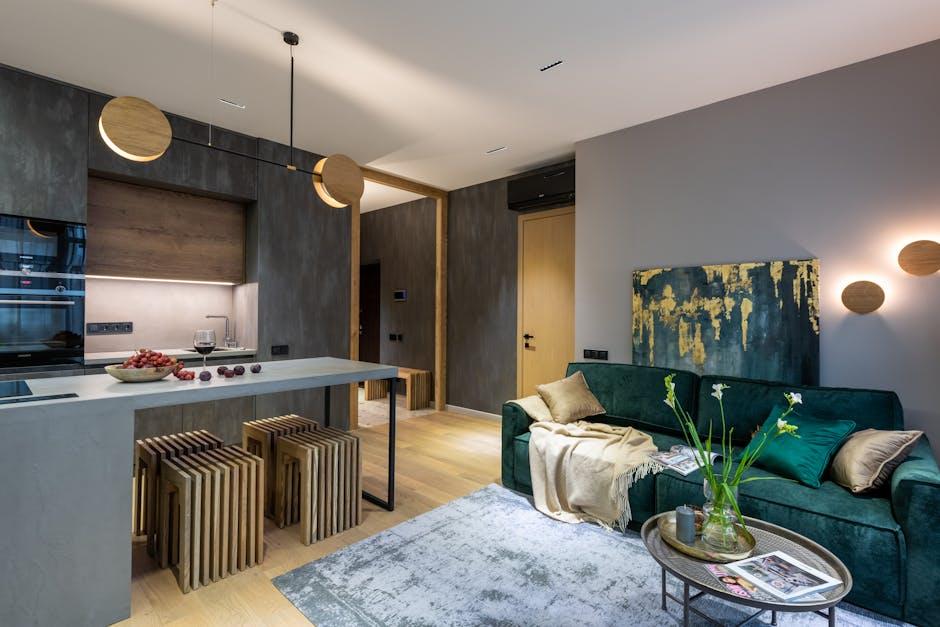
Strategic Renovation Choices for Sustainable Home Investment
Consider the following sustainable renovation strategies:
- Energy-efficient windows and insulation: These upgrades reduce energy consumption and enhance comfort, appealing to environmentally conscious buyers.
- Solar panels and smart home technology: Investing in renewable energy sources and smart systems can significantly lower utility bills and increase your home’s market appeal.
- Sustainable materials: Use recycled or sustainably sourced materials for flooring and cabinetry, which not only look beautiful but also reduce environmental impact.
By focusing on these areas, homeowners can ensure that their property remains a sound investment, balancing luxury with sustainability.