In the ongoing debate over the merits of private versus public education, a prevailing assumption has long persisted: private schools offer a superior preparation for life beyond the classroom. This belief, however, warrants a closer examination. Recent studies and analyses suggest that the advantages often attributed to private education may be more perceived than real. Despite the allure of exclusive curricula and advanced resources, private schools do not necessarily equip students with a significantly better foundation for life’s myriad challenges than their public counterparts. This article delves into the nuances of educational outcomes, socio-economic factors, and life skills development, challenging the conventional wisdom and inviting a reevaluation of what truly constitutes effective preparation for life. Through a comprehensive analysis of academic performance, critical thinking skills, and socio-emotional development, we explore how public schools often stand on equal footing with private institutions, questioning the validity of investing in private education as a guaranteed path to success.
Comparative Analysis of Educational Outcomes in Private and Public Schools
In the ongoing debate over educational quality, it’s essential to delve into the nuanced outcomes of private versus public schooling. While private schools often boast smaller class sizes and specialized programs, these factors do not inherently translate to superior life preparation for students. Research indicates that when socio-economic factors are controlled, the academic performance gap between private and public school students diminishes significantly. Furthermore, public schools frequently offer a more diverse environment, which is crucial for developing interpersonal skills and cultural competency—attributes increasingly valuable in today’s globalized society.
Key considerations when evaluating the effectiveness of educational institutions include:
- Resource Allocation: Public schools may have fewer resources but often provide comprehensive programs that prepare students for real-world challenges.
- Social Diversity: Public schools typically offer a broader socio-economic mix, promoting inclusivity and understanding.
- Curriculum Rigor: Both private and public schools have varying levels of curriculum rigor, with many public schools offering advanced placement and honors courses.
In essence, the quality of education and life preparation is not solely determined by the type of institution but by the environment and opportunities each school provides.
Evaluating Life Skills and Real-World Preparedness in Diverse Educational Settings
When analyzing the ability of educational institutions to equip students with essential life skills and real-world preparedness, it’s crucial to recognize that both private and public schools offer unique advantages and face distinct challenges. Public schools, often lauded for their diversity, expose students to a variety of cultures and socioeconomic backgrounds, fostering adaptability and empathy. They provide a microcosm of the real world where students learn to navigate complex social dynamics. Conversely, private schools might offer more resources and smaller class sizes, potentially allowing for individualized attention and specialized programs. However, these advantages do not necessarily translate to superior life skills development.
- Exposure to Diversity: Public schools offer a broader social experience.
- Resource Availability: Private schools may have more financial resources but this does not guarantee better preparedness.
- Curriculum Flexibility: Both settings have varying degrees of curriculum control, affecting real-world readiness.
- Parental Involvement: Engagement varies widely and influences student outcomes in both settings.
In essence, while private institutions might appear to provide a more polished educational experience, this does not inherently mean they are more effective in preparing students for life beyond academia. Real-world preparedness is influenced by a myriad of factors including curriculum relevance, extracurricular opportunities, and the socio-emotional support provided by the school environment. Thus, the debate should not center on whether one type of school is superior, but rather on how both can learn from each other to better serve the diverse needs of students.
Rethinking Educational Investments for Holistic Child Development
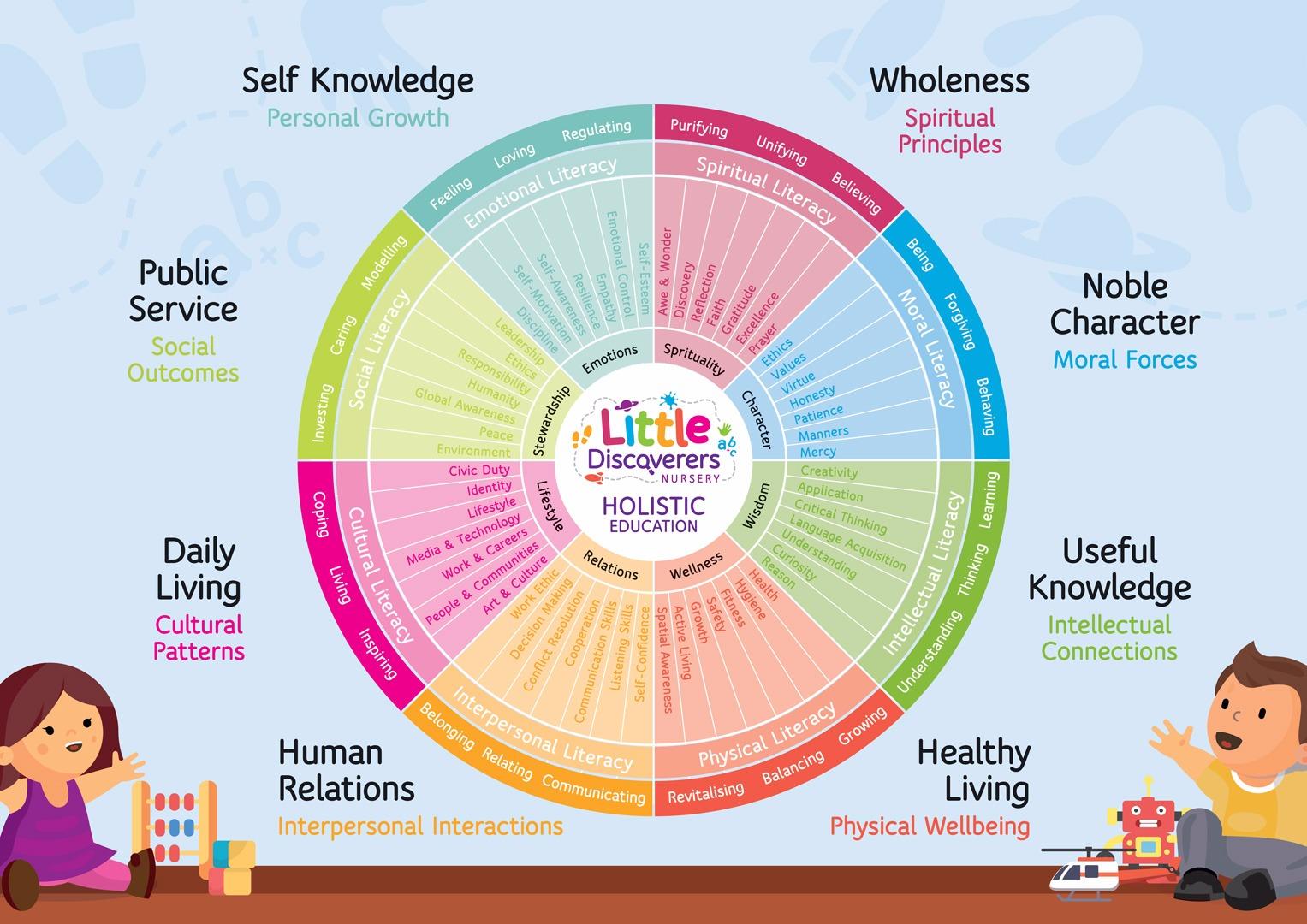
When evaluating the true value of educational systems, it’s crucial to shift our focus from traditional academic metrics to a more comprehensive understanding of what constitutes holistic child development. Both private and public schools have their strengths and weaknesses, but neither is inherently superior when it comes to preparing children for life. The essence of effective education lies in nurturing a well-rounded individual, capable of thriving in diverse environments and tackling complex challenges. This requires an emphasis on social skills, emotional intelligence, creativity, and resilience, alongside traditional academic learning.
- Social Skills: Encouraging teamwork and collaboration across diverse groups.
- Emotional Intelligence: Fostering self-awareness and empathy through mindful practices.
- Creativity: Integrating arts and innovative problem-solving into the curriculum.
- Resilience: Building adaptability and perseverance through real-world challenges.
To truly rethink educational investments, stakeholders must prioritize these attributes, regardless of the type of school. By doing so, we can ensure that all children, irrespective of their educational institution, are equipped not just for exams, but for the multifaceted journey of life.
Strategic Recommendations for Enhancing Public School Curriculum and Student Preparedness
To elevate the effectiveness of public school curricula, it’s essential to integrate a blend of traditional academic skills with modern competencies. Emphasizing critical thinking and problem-solving skills can foster a more dynamic learning environment. Schools should prioritize the development of emotional intelligence and interpersonal skills, ensuring students are prepared for real-world interactions. Additionally, incorporating financial literacy and digital literacy into the curriculum can provide students with practical tools necessary for the contemporary job market.
- Project-Based Learning: Encourage collaboration and hands-on experiences to bridge theoretical knowledge with practical application.
- Cultural Competence: Introduce diverse perspectives and global awareness to nurture empathy and adaptability.
- Personalized Learning Plans: Utilize technology to tailor educational experiences that meet individual student needs and learning styles.
- Community Engagement: Foster partnerships with local businesses and organizations to create mentorship opportunities and real-world experiences.
Enhancing teacher training programs to focus on these areas will ensure educators are equipped to deliver a curriculum that not only meets academic standards but also prepares students for the complexities of life beyond the classroom. By adopting these strategic recommendations, public schools can confidently rival their private counterparts in preparing well-rounded, future-ready students.