
In recent years, the emphasis on health and fitness has permeated every aspect of our lives, encouraging even the youngest members of our society to engage in structured physical activities. While the benefits of regular exercise are well-documented, there is growing concern among experts about the potential drawbacks of imposing strict exercise routines on young children. This article delves into the nuances of child development, examining the physical, psychological, and social implications of regimented exercise programs. By analyzing current research and expert opinions, we aim to provide a comprehensive understanding of why families should reconsider such approaches and instead promote a more balanced and flexible approach to physical activity for their children. As we navigate the complexities of fostering healthy lifestyles for the next generation, it is crucial to strike a balance that prioritizes holistic well-being over rigid regimens.
Understanding the Impact of Rigorous Exercise on Child Development
In the realm of child development, the role of exercise is undeniably pivotal, yet the intensity and structure of these activities can greatly influence their outcomes. While physical activity is essential for fostering healthy growth, a rigorous exercise regimen can sometimes lead to unintended consequences. Experts caution against imposing strict exercise routines on young children, as their developing bodies and minds require a more balanced and playful approach to movement. Over-scheduling or enforcing adult-like discipline in exercise can lead to physical strain, emotional stress, and even a negative association with physical activity.
- Physical Strain: Young children are still developing their bones, muscles, and joints. Intense physical activity may lead to injuries or hinder their natural growth patterns.
- Emotional Stress: Strict routines can create pressure and anxiety, detracting from the enjoyment of play and exploration that is crucial at this stage.
- Negative Associations: When exercise becomes a chore rather than a fun activity, children may develop a long-term aversion to physical fitness.
By focusing on unstructured play and a variety of physical activities, families can support their children’s holistic development, encouraging not just physical health, but also creativity, social skills, and emotional well-being. Encouraging children to participate in activities they enjoy, rather than adhering to a stringent routine, can foster a lifelong love of movement and health.

Balancing Physical Activity and Play for Healthy Growth
Incorporating a blend of physical activity and unstructured play is essential for the holistic development of young children. Rather than adhering to rigid exercise regimens, families can encourage a more natural approach to movement. Children benefit from activities that engage their creativity and spontaneity, which are often best achieved through playful exploration. This approach not only fosters physical health but also enhances cognitive and emotional growth.
- Flexibility: Allow children to choose activities that interest them, whether it’s running, jumping, or climbing.
- Variety: Introduce a mix of activities to develop different skills, from balance and coordination to strength and endurance.
- Social Interaction: Encourage group play to build teamwork and communication skills.
- Safety: Ensure the environment is safe for exploration and play, reducing the risk of injury.
By emphasizing the importance of free play and diverse physical activities, families can support their children’s natural inclination towards movement. This balanced approach not only promotes a lifelong love of physical activity but also respects the developmental needs of young children, ensuring they grow into well-rounded individuals.
Recognizing Signs of Overexertion in Young Children
Moreover, be attentive to physical cues such as unusual clumsiness, muscle cramps, or complaints of pain. It’s essential to foster an environment where children feel comfortable voicing their discomfort. Encouraging open dialogue about how they feel during and after physical activities can be invaluable. To prevent overexertion, consider integrating a balanced approach to exercise that includes:
- Frequent breaks
- Adequate hydration
- Variety in activities to engage different muscle groups
Understanding and responding to these signs can help ensure that exercise remains a positive and healthy experience for young children.
Crafting Age-Appropriate Exercise Plans for Families
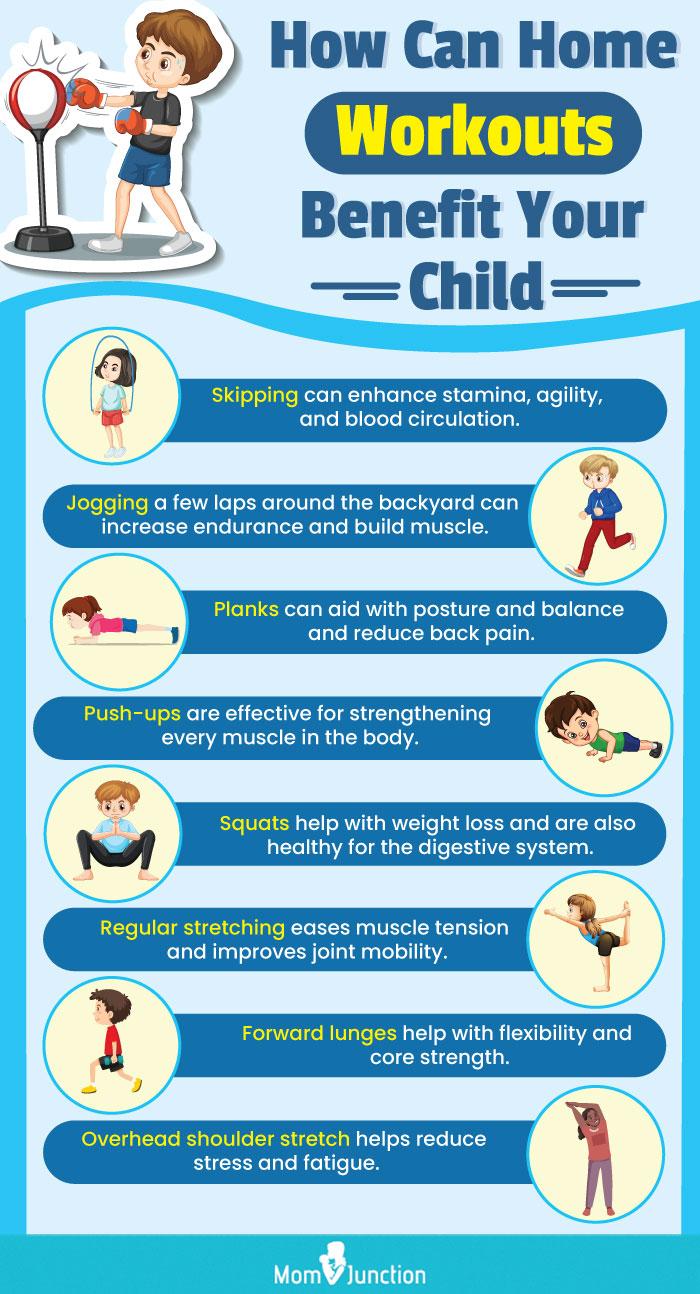
When developing exercise plans for families, it’s essential to tailor activities to the varying capabilities and needs of each family member, especially young children. Young children have developing bodies that require a balance of structured and unstructured play rather than rigid exercise routines. Encouraging exploration and movement through playful activities helps nurture their natural curiosity and physical growth. Consider incorporating activities that promote agility, balance, and coordination in a fun and engaging way.
- Play-based activities like tag, hide and seek, or obstacle courses can keep young ones active while supporting their developmental needs.
- Family outings such as nature walks or bike rides provide opportunities for exercise without the pressure of a regimented routine.
- Creative play with equipment like hula hoops, jump ropes, or balls can stimulate physical activity and enhance motor skills.
Adapting exercise to be inclusive and age-appropriate ensures that every family member benefits without overexertion or stress. By focusing on fun and engaging activities, families can foster a lifelong love of movement and healthy habits that accommodate the unique needs of their children.