
In today’s fast-paced world, creating a healthy home environment is more crucial than ever for the well-being of your family. As we navigate the complexities of modern living, our homes should serve as sanctuaries that promote physical health, mental clarity, and emotional stability. This article delves into the multifaceted approach required to transform your living space into a nurturing haven. By examining the latest research and expert insights, we will explore strategies to optimize air quality, reduce exposure to harmful chemicals, and enhance the overall ambiance of your home. With a focus on practical solutions and sustainable practices, you can confidently implement changes that will foster a healthier lifestyle for your loved ones. Join us as we analyze the key components of a healthy home and empower you to make informed decisions for the benefit of your family’s future.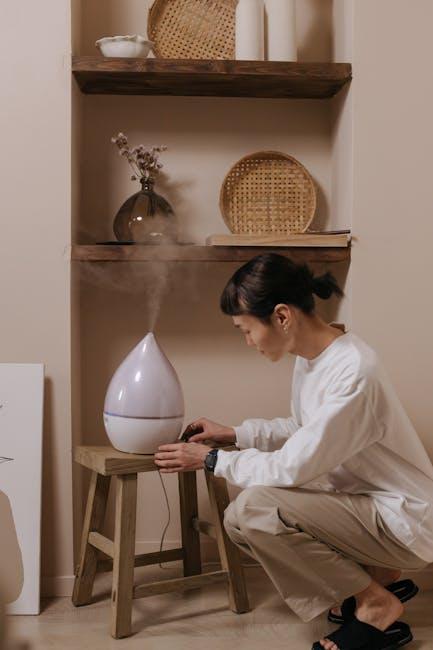
Optimizing Indoor Air Quality for Healthier Living
Ensuring the air inside your home is fresh and clean is crucial for maintaining a healthy living environment. One effective strategy is incorporating natural ventilation wherever possible. Open windows and doors to promote airflow, which helps to reduce indoor pollutants and bring in fresh outdoor air. When weather conditions are not conducive, consider using mechanical ventilation systems such as exhaust fans in bathrooms and kitchens to eliminate excess moisture and odors.
Additionally, embracing indoor plants can significantly improve air quality. Plants like spider plants, peace lilies, and snake plants are known for their ability to filter toxins and increase oxygen levels. Regular maintenance is key: ensure that your HVAC systems are serviced regularly, and use high-efficiency particulate air (HEPA) filters to capture fine particles. These simple yet effective measures can create a healthier and more comfortable living space for your family.

Designing Spaces that Encourage Physical Activity
Creating a home environment that naturally promotes physical activity involves more than just purchasing a treadmill or setting up a home gym. Integrating movement into everyday life can be achieved through thoughtful design and strategic placement of household items. Consider rearranging furniture to create open pathways that encourage walking and easy access to different areas of the house. This simple change can subtly prompt family members to move more frequently throughout their daily routines.
- Multi-functional spaces: Designate areas that serve dual purposes, such as a living room that doubles as a yoga or dance space, making it easy to transition from relaxation to activity.
- Incorporate active furniture: Choose furniture that encourages movement, like balance ball chairs or standing desks, which can seamlessly blend into your home’s aesthetic while promoting physical activity.
- Outdoor connectivity: Enhance the connection between indoor and outdoor spaces. Sliding doors or large windows can make outdoor spaces more inviting, encouraging activities like gardening or playing in the yard.
Visual cues also play a significant role in promoting an active lifestyle. Place sports equipment, such as jump ropes or weights, in visible areas as reminders to engage in physical activity. By designing spaces that encourage movement, you not only enhance the physical health of your family but also create a dynamic environment that fosters a vibrant, active lifestyle.

Incorporating Natural Elements for Enhanced Well-Being
Integrating natural elements into your home is a powerful way to enhance well-being and promote a healthier living environment. Natural light is one of the most effective elements you can harness. It not only boosts mood and productivity but also regulates the body’s circadian rhythms, improving sleep quality. Consider using sheer curtains to maximize sunlight or strategically placing mirrors to reflect light into darker corners of your home.
Indoor plants are another excellent addition, known for their ability to purify air and increase humidity. Choose plants like spider plants, snake plants, or peace lilies, which are low-maintenance and effective in filtering toxins. Incorporating natural materials such as wood, stone, and cotton in your decor can also foster a connection with the outdoors, creating a calming and inviting atmosphere. Embrace textures and colors that reflect the natural world to further enhance this effect.
- Maximize the use of natural light with mirrors and sheer curtains.
- Introduce air-purifying plants like spider plants and peace lilies.
- Use natural materials such as wood and stone in your decor.
Establishing Routines that Promote Mental Clarity
Creating a structured daily routine is essential for maintaining mental clarity and a harmonious household. Establishing consistent habits can help reduce stress and improve overall well-being. Begin by setting regular times for waking up and going to bed, ensuring that everyone in the family gets adequate sleep. Encourage mindfulness practices such as meditation or yoga to foster mental relaxation and focus.
- Morning Rituals: Start the day with a nutritious breakfast and a few minutes of quiet reflection or gratitude journaling.
- Dedicated Work and Study Spaces: Designate specific areas for work and study to minimize distractions and enhance productivity.
- Screen-Free Zones: Establish areas in your home where electronic devices are not allowed, promoting face-to-face interaction and downtime.
- Regular Exercise: Schedule family walks or physical activities that everyone can enjoy together, reinforcing both physical and mental health.
By thoughtfully organizing your family’s daily activities, you not only create a more peaceful environment but also cultivate a sense of purpose and clarity that can significantly impact each family member’s mental health.