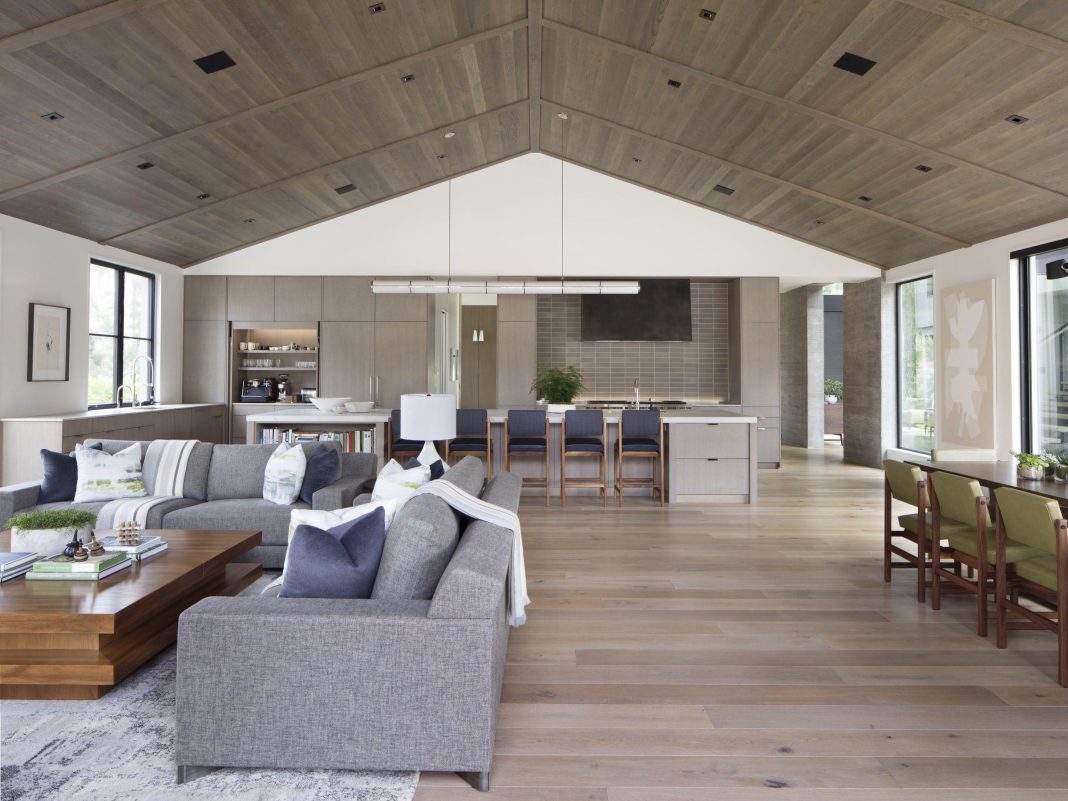
In recent years, the open plan living concept has become a hallmark of modern home design, lauded for its ability to create spacious, airy environments that facilitate interaction and flexibility. However, as this architectural trend continues to gain traction, a critical analysis reveals a less frequently discussed downside: the erosion of intimacy within family homes. While the removal of walls may symbolically break down barriers, it also compromises the personal spaces that foster individual privacy and family bonding. This article delves into the implications of open plan living on family dynamics, exploring how the design’s very strengths may inadvertently lead to a loss of closeness and personal connection within the household. Through a thorough examination of spatial psychology and real-life family experiences, we seek to uncover whether the open plan layout truly serves the familial unit or if it inadvertently undermines the intimate essence of home life.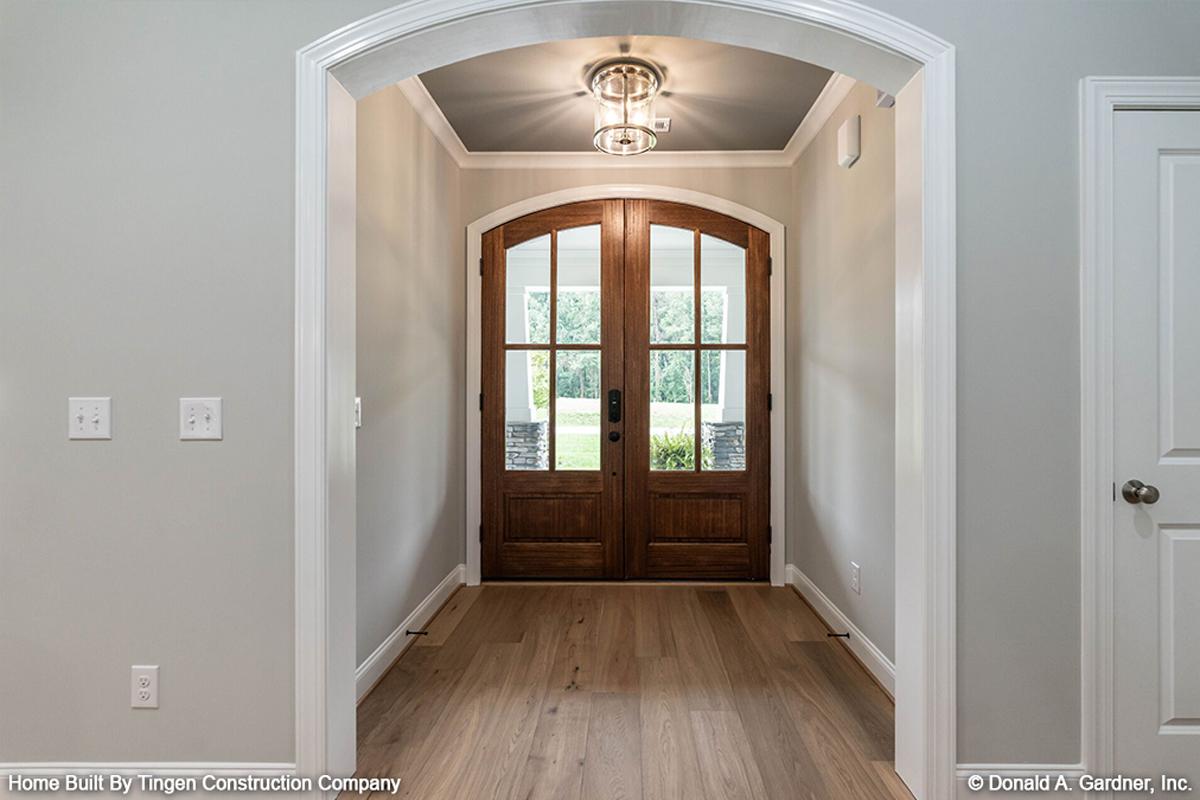
Impact on Family Dynamics and Privacy
In recent years, the shift towards open-plan living spaces has significantly altered the traditional fabric of family life. While these spaces encourage interaction and shared activities, they also introduce challenges that can disrupt the intimacy once found in more segmented home layouts. Privacy becomes a rare commodity as walls disappear, making it difficult for family members to find solitude or engage in personal activities without interruption. This can lead to a sense of constant surveillance, where the actions of each individual are always visible, potentially leading to increased tension and conflict.
Moreover, the lack of physical boundaries often blurs the lines between different areas of family life. Key issues include:
- Noise Levels: Without walls to absorb sound, noise travels freely, which can be distracting and stressful.
- Personal Space: The absence of private areas can make it challenging for family members to decompress individually.
- Activity Overlap: Simultaneous activities can create a chaotic environment, complicating the ability to focus or relax.
While open-plan living can foster a sense of togetherness, it’s crucial for families to establish new boundaries and routines to maintain a balance between shared experiences and individual needs.
Challenges in Creating Personal Spaces
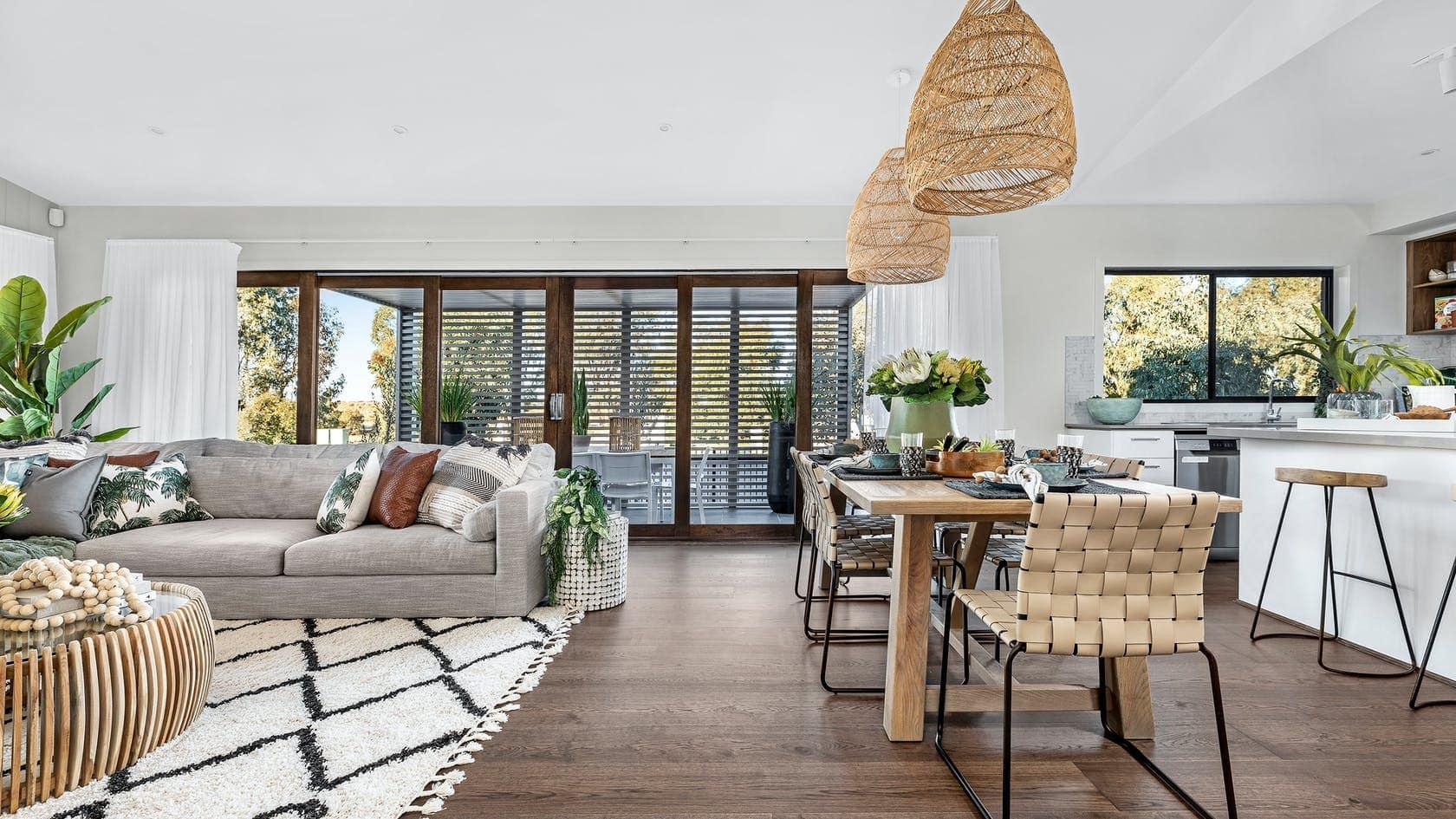
The shift towards open-plan living has introduced a unique set of challenges in carving out personal spaces within the home. While the design promotes fluidity and social interaction, it often overlooks the necessity for privacy and individual retreat. Families find themselves navigating a delicate balance between shared environments and personal sanctuaries. The absence of walls means the absence of boundaries, which can lead to an increased need for creative solutions to establish private zones.
- Noise Levels: With no barriers to muffle sound, the entire household is often subject to the same auditory environment, which can be overwhelming.
- Lack of Defined Areas: The open layout can blur the lines between work, relaxation, and family time, making it challenging to mentally separate these activities.
- Personalization Constraints: Individuals may struggle to express their personal style or create a space that feels uniquely theirs without distinct rooms.
Innovative interior design strategies, such as the use of dividers, furniture placement, and multi-functional furniture, become essential in addressing these challenges. By thoughtfully considering the flow and purpose of each area, families can craft a harmonious balance between openness and intimacy.

Strategies for Enhancing Intimacy in Open Layouts
In open-plan living spaces, fostering a sense of closeness requires deliberate design choices that balance openness with personal spaces. One effective approach is the strategic use of zoning. By defining distinct areas for different activities, such as reading nooks, dining zones, and cozy seating areas, families can create pockets of intimacy within a larger expanse. This can be achieved through the use of rugs, varying flooring materials, or even changes in ceiling height to subtly delineate spaces without the need for walls.
Furniture arrangement also plays a crucial role in enhancing intimacy. Consider forming conversational clusters with sofas and chairs oriented towards each other rather than the television. Additionally, incorporating elements like bookshelves or open shelving units can act as visual dividers that maintain the openness while providing a sense of separation. Lighting is another powerful tool; using a combination of ambient, task, and accent lighting can create warmth and define different areas, encouraging a cozy atmosphere. don’t underestimate the impact of personalized decor—family photos, art, and cherished objects can transform a space into a more personal and intimate environment.
Expert Recommendations for Balancing Openness and Privacy
To navigate the challenges posed by open plan living, experts suggest a blend of strategic design choices and innovative technology to enhance both openness and privacy. One effective approach is the use of zoning techniques, where different areas are subtly defined using furniture arrangements, rugs, or varying flooring materials. This not only maintains the aesthetic appeal of an open layout but also provides psychological boundaries that foster intimacy.
Incorporating flexible partitions like sliding doors, curtains, or even bookcases can also serve as a temporary division when privacy is needed. Additionally, integrating smart home technologies can help manage the acoustics and lighting to create a more private atmosphere. Experts also recommend the following:
- Soundproofing solutions: Install acoustic panels or use sound-absorbing materials to reduce noise transmission.
- Layered lighting: Use a mix of ambient, task, and accent lighting to define spaces and set moods.
- Smart home integration: Utilize smart speakers or apps to control privacy settings with ease.
These expert strategies not only uphold the essence of open plan living but also introduce layers of privacy, ensuring a harmonious home environment for families.