In the evolving landscape of architectural design, the juxtaposition between modern luxury homes and traditional residences presents a compelling narrative about the evolution of aesthetics and functionality. As contemporary design continues to dominate the luxury real estate market, with its minimalist lines, expansive glass facades, and cutting-edge technology, it inadvertently raises a poignant question: has the quest for innovation overshadowed the timeless charm inherent in traditional design? This analysis delves into the nuanced dimensions of modern luxury homes, exploring how their sleek and sophisticated appeal may come at the expense of the warmth, character, and historical continuity that traditional homes offer. By examining the interplay between these two architectural paradigms, we aim to uncover whether modern luxury truly encapsulates the essence of a home or if it merely represents a fleeting trend in the relentless pursuit of progress.
Contrasting Aesthetics of Modern and Traditional Luxury Homes
The allure of modern luxury homes lies in their sleek lines and minimalist design, embodying an aesthetic that celebrates simplicity and functionality. However, this contemporary style often sacrifices the intricate details and warm ambiance that characterize traditional luxury homes. Traditional designs are rich with historical influences and craftsmanship, offering a tapestry of visual and tactile experiences. The juxtaposition of these two styles reveals significant differences in their approach to luxury living.
- Materials: Modern homes often utilize glass, steel, and concrete, creating a cool, industrial feel. In contrast, traditional homes favor natural materials like wood, stone, and brick, contributing to a sense of warmth and durability.
- Design Elements: Modern architecture leans towards open spaces and minimal ornamentation, focusing on function over form. Traditional homes, however, are adorned with decorative moldings, archways, and detailed facades, offering a sense of timeless elegance.
- Atmosphere: The modern aesthetic can sometimes feel stark or impersonal, while traditional homes exude a cozy, inviting atmosphere that speaks to a sense of history and continuity.
Ultimately, while modern luxury homes boast cutting-edge design and technology, they often lack the charm and character that make traditional homes truly special. The choice between the two comes down to personal preference and the value placed on either innovation or nostalgia.
Evaluating the Impact of Minimalist Design on Home Charm
In the pursuit of simplicity, minimalist design has undeniably transformed the landscape of modern luxury homes, often at the cost of the warmth and character that traditional designs effortlessly exude. While sleek lines and open spaces create a sense of calm and order, they sometimes leave homes feeling sterile and impersonal. Traditional homes, on the other hand, are often celebrated for their intricate details and cozy atmospheres, achieved through elements such as:
- Ornate woodwork and moldings that add texture and depth.
- Rich color palettes that evoke warmth and a sense of history.
- Antique furnishings that tell stories of bygone eras.
In contrast, minimalist designs tend to emphasize functionality over form, which can lead to a perception of uniformity and a lack of distinctiveness. The charm of traditional homes lies in their ability to convey personality and individuality, elements that are often muted in the quest for minimalism. The challenge, therefore, lies in striking a balance—merging the clean, uncluttered aesthetic of modern design with the timeless charm that makes a house truly feel like a home.
Incorporating Traditional Elements into Contemporary Architecture
In the quest to blend the timeless allure of traditional design with the sleek appeal of modern luxury, architects are increasingly looking to incorporate historical elements that offer both aesthetic and cultural depth. This fusion can be achieved by integrating features such as exposed wooden beams, which add warmth and texture to minimalist spaces, or ornate cornices and moldings that introduce an element of grandeur often missing in stark, contemporary interiors. The use of natural materials like stone and brick not only enhances visual appeal but also connects the structure to its natural surroundings, creating a sense of harmony and balance.
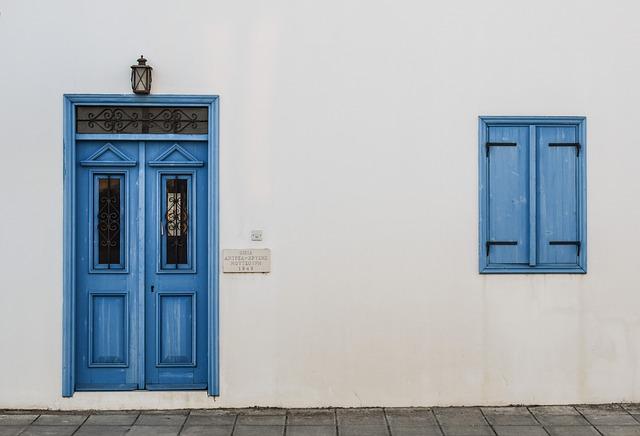
- Arched Doorways: These add a sense of elegance and flow, softening the linearity of modern layouts.
- Handcrafted Tiles: Offering unique patterns and colors, they provide a personal touch that mass-produced materials cannot.
- Classic Fireplaces: Central to traditional homes, they become focal points that invite conversation and relaxation.
By thoughtfully selecting and integrating these elements, designers can craft spaces that not only meet contemporary expectations of luxury and functionality but also resonate with the charm and character that define traditional architecture. This marriage of old and new results in homes that are not only visually captivating but also rich in narrative and cultural significance.
Recommendations for Enhancing Warmth in Modern Luxury Homes
To infuse a sense of warmth into the sleek, often minimalist design of contemporary high-end residences, it is crucial to incorporate elements that evoke comfort and nostalgia. Start by integrating natural materials such as wood and stone. These materials not only add texture and depth but also create a visual connection to nature, fostering a cozy atmosphere. Consider utilizing wooden beams on ceilings or stone-clad fireplaces to serve as focal points that anchor the space with timeless elegance.
- Layered Lighting: Use a combination of ambient, task, and accent lighting to create a versatile and inviting ambiance.
- Textiles and Fabrics: Incorporate plush rugs, velvet throw pillows, and woolen blankets to add softness and warmth.
- Warm Color Palette: Opt for earthy tones and muted hues that enhance the feeling of warmth without overpowering the modern aesthetic.
- Personal Touches: Display curated art pieces or family heirlooms to imbue the space with personality and history.
By thoughtfully integrating these elements, modern luxury homes can achieve a harmonious balance between contemporary sophistication and the inviting charm traditionally associated with classic design.