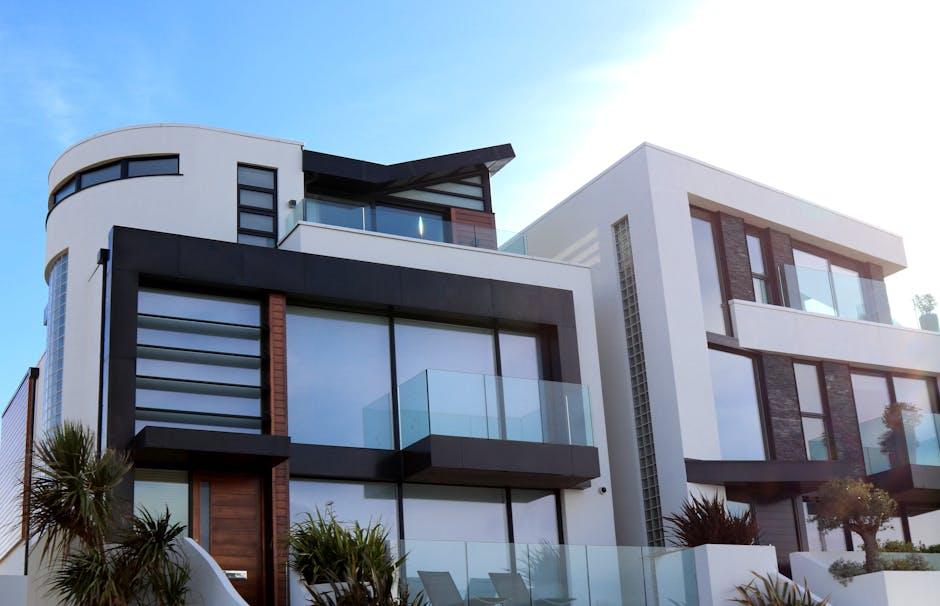
In an era marked by increasing environmental awareness and a pressing need for sustainable living, the proliferation of luxury homes stands in stark contrast to global conservation efforts. These opulent residences, often characterized by sprawling spaces, extravagant amenities, and cutting-edge technologies, serve as a potent symbol of excessive resource consumption. As we delve into the intricate dynamics of luxury real estate, it becomes evident that such properties not only epitomize affluence but also highlight a troubling paradox: the more affluent the lifestyle, the greater the ecological footprint. This article explores the multifaceted implications of luxury homes on resource utilization, examining how their construction, maintenance, and operation contribute to environmental degradation. By scrutinizing the intersection of wealth and ecological responsibility, we aim to shed light on the broader societal impacts and the urgent need for a paradigm shift towards more sustainable living practices.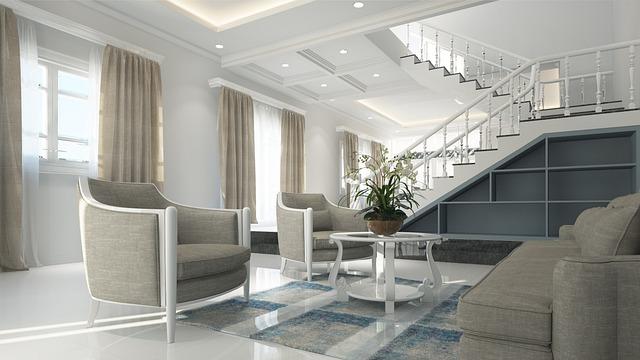
Environmental Impact of High-End Real Estate
The allure of luxury homes often masks a more sobering reality: their substantial environmental footprint. These opulent residences frequently require an inordinate amount of natural resources, from the extensive use of high-quality materials like rare woods and imported stones to the energy demands of maintaining expansive interiors. The extravagant amenities such as heated swimming pools, sprawling gardens, and advanced home automation systems contribute to this excessive consumption. Such features not only demand more resources during construction but also require ongoing energy use, amplifying their impact on the environment.
The environmental repercussions are multifaceted, affecting various aspects of sustainability. Consider the following implications:
- Increased Carbon Emissions: The construction and maintenance of luxury homes typically result in higher greenhouse gas emissions due to the use of energy-intensive materials and systems.
- Resource Depletion: Sourcing rare and premium materials often leads to habitat destruction and depletion of natural resources.
- Water Usage: Features like large lawns and multiple bathrooms can lead to excessive water consumption, stressing local water supplies.
As these high-end properties continue to proliferate, it is crucial to reassess their design and operational practices to mitigate their environmental impact.
Resource-Intensive Features of Luxury Living
In the realm of opulence, features like expansive indoor pools, sprawling heated driveways, and multi-level climate control systems are not merely luxuries but expectations. These amenities, while offering unparalleled comfort and exclusivity, demand significant amounts of energy and resources. Consider the indoor pools that require constant heating and filtration, or the smart home technologies that operate 24/7, adjusting lighting, temperature, and security with precision. Such conveniences, while emblematic of high-end living, contribute to a disproportionate consumption of resources.
Luxury homes often boast vast landscaped gardens and manicured lawns that require intensive watering systems, particularly in regions prone to drought. The maintenance of these outdoor spaces typically involves the use of high-powered equipment and chemical fertilizers. Additionally, the inclusion of private theaters, wine cellars, and saunas further exemplifies the indulgence in energy-intensive facilities. These features, although symbolizing status and comfort, highlight a stark contrast between sustainable living practices and the lavish demands of high-end residential properties.
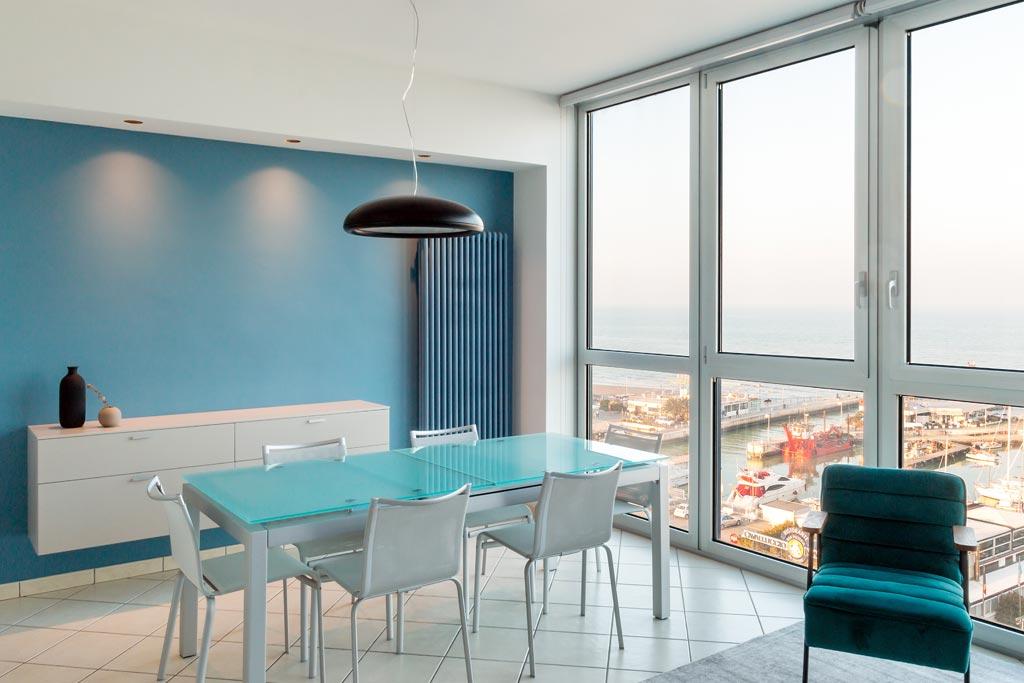
Strategies for Sustainable Luxury Home Design
Designing a luxury home that aligns with sustainable principles is not just a trend, but a necessary evolution in the architecture and real estate industries. Incorporating energy-efficient systems such as geothermal heating, solar panels, and advanced insulation can dramatically reduce a home’s carbon footprint. Moreover, utilizing smart home technology to optimize energy use ensures that every kilowatt is used judiciously. These strategies not only support environmental goals but also offer long-term cost savings, enhancing the value of the property.
Material selection plays a crucial role in sustainable luxury home design. Opt for eco-friendly building materials that are locally sourced and have minimal environmental impact. Consider the following elements to create a more sustainable luxury environment:
- Recycled and reclaimed materials: Use salvaged wood, recycled metal, and reclaimed stone to add character and reduce waste.
- Low-VOC finishes: Choose paints, stains, and finishes with low volatile organic compounds to improve indoor air quality.
- Water-efficient fixtures: Install high-efficiency faucets, toilets, and showerheads to conserve water without sacrificing luxury.
By integrating these thoughtful choices, luxury homes can maintain their opulence while promoting a more sustainable lifestyle.

Policy Recommendations for Reducing Resource Consumption in Luxury Housing
- Incentivize Sustainable Practices: Governments and local municipalities can implement tax incentives or subsidies for luxury homeowners who adopt sustainable building practices. This could include installing solar panels, using sustainable building materials, or incorporating rainwater harvesting systems. These incentives not only encourage environmentally-friendly practices but also help to offset the initial costs associated with such upgrades.
- Enforce Resource Consumption Limits: Regulatory bodies should consider setting stringent consumption limits on water and energy usage for luxury properties. By establishing these limits, homeowners will be encouraged to invest in more efficient systems and technologies. Compliance can be monitored through smart meters, ensuring that resource usage is kept in check.
- Promote Community Sharing Initiatives: Encourage luxury developments to incorporate shared amenities and resources, such as communal electric vehicle charging stations, shared garden spaces, or centralized heating and cooling systems. By promoting a culture of sharing, resource consumption can be significantly reduced while fostering a sense of community among residents.