
In today’s rapidly evolving economic landscape, the question of whether parents should bear the financial responsibility for their children’s college education has become a focal point of intense debate. As the cost of higher education continues to soar, juxtaposed against a backdrop of fluctuating job markets and burgeoning student debt, families are increasingly faced with the daunting decision of how to finance a college degree. This analytical exploration delves into the multifaceted arguments surrounding parental financial involvement in higher education, examining the potential implications on family dynamics, financial security, and the broader societal impact. By dissecting the economic realities and ethical considerations, this article seeks to provide a comprehensive understanding of the factors that influence this critical decision, ultimately empowering families to make informed choices in the pursuit of educational aspirations.
Evaluating the Financial Implications of Funding College Education
When contemplating the financial responsibilities of funding a college education, several factors come into play. It’s essential to weigh the immediate financial burden against the potential long-term benefits. Parents who choose to finance their children’s education often do so to provide a solid foundation for their future. However, this decision can lead to significant debt if not managed carefully. The cost of tuition, accommodation, and other associated expenses can quickly add up, impacting the parents’ financial stability and future retirement plans. It’s crucial to consider alternative options such as scholarships, grants, or part-time work for students, which can alleviate some of the financial pressures.
- Impact on Retirement Savings: Parents might need to dip into their retirement savings, risking their financial security in later years.
- Potential Debt Accumulation: Taking on loans to cover educational costs can lead to substantial debt, affecting financial health.
- Opportunity Costs: Money spent on education might otherwise be invested in other avenues, such as home improvements or personal growth opportunities.
Ultimately, a strategic approach is required. Parents should evaluate their financial capacity and consider open discussions with their children about shared financial responsibilities. Encouraging financial literacy and understanding the importance of budgeting and planning can empower students to contribute towards their education, fostering a sense of ownership and accountability.
Assessing the Impact on Parent-Child Dynamics and Independence
The decision of whether parents should finance their children’s college education significantly influences the evolving dynamics between them. When parents cover educational expenses, it can foster a sense of security and support, potentially strengthening familial bonds. However, this financial commitment might inadvertently prolong dependency, affecting the child’s journey toward autonomy. Financial support from parents can sometimes blur the lines of independence, making it crucial to evaluate how these contributions impact both parties.
On the flip side, encouraging children to take responsibility for their educational costs can cultivate essential life skills and a deeper appreciation for their education. Benefits of fostering financial independence include:
- Enhanced decision-making skills
- Increased motivation and accountability
- Development of financial literacy
Balancing support with opportunities for growth is key, ensuring that both parents and children navigate this transition with mutual respect and understanding.

Exploring Alternatives to Parental Financial Support
In the quest to fund higher education without relying on parental contributions, there are several viable alternatives. Scholarships and grants are often the first stop for many students. These sources of funding do not require repayment and can significantly reduce the financial burden. Additionally, work-study programs offer students the opportunity to earn money through part-time work, often in fields related to their area of study, providing both income and valuable experience.
For those considering loans, federal student loans offer lower interest rates and more flexible repayment options compared to private loans. Moreover, income-share agreements are gaining popularity; these involve a student agreeing to pay a percentage of their future income for a set period, rather than taking on traditional debt. Lastly, students can explore crowdfunding platforms to gather support from their community or network, tapping into collective resources to support their educational journey. By combining these strategies, students can create a comprehensive financial plan that minimizes the need for parental financial support.
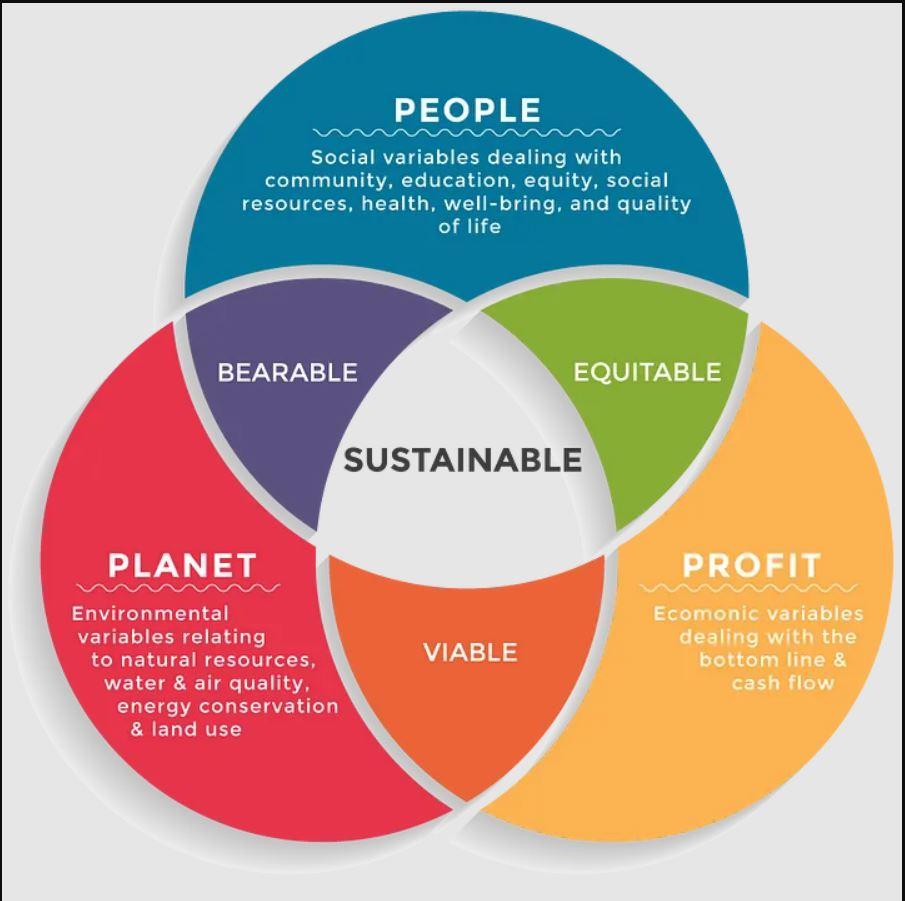
Crafting a Sustainable Plan for Educational Expenses
When considering the financial responsibility of funding a child’s college education, parents face a complex decision that intertwines financial planning with values and expectations. Crafting a sustainable financial plan requires a comprehensive evaluation of various factors, including the family’s current financial health, future earning potential, and the child’s own aspirations and capabilities. Parents should assess their ability to contribute without compromising their retirement savings or other essential financial goals. This approach often involves open discussions with their children about educational costs and the potential for shared responsibilities.
To create a sustainable plan, parents might consider the following strategies:
- Start Early: Initiate savings plans such as 529 accounts early in the child’s life to benefit from compound interest.
- Set Realistic Expectations: Clearly communicate what level of financial support is feasible and discuss the potential need for student loans or part-time work.
- Explore Scholarships and Grants: Encourage children to apply for scholarships and grants that can significantly reduce the financial burden.
- Consider Community Colleges: Starting at a community college can offer a more affordable pathway to a degree before transferring to a four-year institution.
By integrating these strategies, parents can establish a balanced approach that supports their child’s educational journey while safeguarding their financial stability. This careful planning not only provides clarity and direction but also empowers both parents and children to make informed decisions about higher education investments.