
In today’s fast-paced world, ensuring that children receive a balanced diet is more crucial than ever, not just for their physical growth but also for their mental well-being. As research increasingly highlights the intricate link between nutrition and cognitive function, parents and caregivers are tasked with the challenge of crafting diet plans that support both aspects of health. This article delves into the analytical framework required to create a balanced diet plan for children, emphasizing the vital nutrients that contribute to their holistic development. By understanding the synergy between food choices and their impact on mental acuity and physical vigor, we can equip the younger generation with the tools they need to thrive in all areas of life. Join us as we explore evidence-based strategies and expert insights to forge a path toward optimal health for our children.
Understanding Nutritional Needs for Optimal Growth
To ensure children thrive both mentally and physically, it’s crucial to understand their unique nutritional requirements. A well-balanced diet is the foundation of a child’s growth and development. Essential nutrients like proteins, carbohydrates, fats, vitamins, and minerals must be part of their daily intake. Proteins, for instance, are the building blocks for growth, aiding in the repair and development of tissues. Healthy fats, such as those found in avocados and nuts, are vital for brain development, while carbohydrates from whole grains provide the energy necessary for both physical activities and cognitive tasks.
Creating a balanced diet involves incorporating a variety of food groups to cover all nutritional bases. Here’s a guide to get started:
- Fruits and Vegetables: Aim for a colorful plate to ensure a wide range of vitamins and antioxidants.
- Whole Grains: Opt for whole grain bread, rice, and pasta to boost fiber intake and maintain energy levels.
- Proteins: Include lean meats, eggs, and legumes to support growth and immune function.
- Dairy: Provide calcium-rich options like milk, cheese, and yogurt for strong bones and teeth.
- Healthy Snacks: Encourage nuts, seeds, and fruit instead of processed snacks to maintain focus and energy.
By focusing on these elements, you can craft a diet plan that not only fuels a child’s body but also supports their mental agility and emotional well-being.
Incorporating Brain-Boosting Foods into Daily Meals
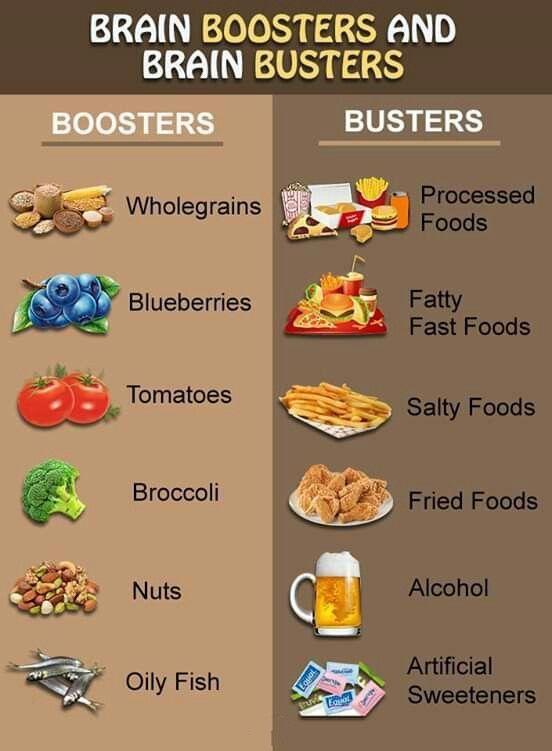
Integrating brain-boosting foods into your child’s diet is a strategic approach to enhance cognitive function while also supporting overall health. A variety of nutrient-dense foods can be easily incorporated into daily meals to promote mental acuity. Leafy greens like spinach and kale are rich in antioxidants and vitamins, which support brain cell health and development. Fatty fish such as salmon and mackerel provide essential omega-3 fatty acids crucial for brain growth and function. Additionally, nuts and seeds are excellent sources of healthy fats and proteins that help improve memory and learning capabilities.
- Berries: Blueberries, strawberries, and blackberries are packed with antioxidants that protect brain cells from damage.
- Whole grains: Foods like oatmeal, whole wheat bread, and brown rice offer a steady supply of energy and glucose, improving concentration and focus.
- Eggs: Rich in choline, eggs support brain development and function, making them a perfect breakfast choice.
- Beans: A great source of fiber and protein, beans keep your child’s energy and thinking levels at peak performance.
By creatively incorporating these foods into meals, such as blending spinach into smoothies or adding nuts to yogurt, parents can ensure their children receive the necessary nutrients for both mental and physical health. Remember, a balanced diet enriched with these brain-boosting foods not only aids in cognitive development but also establishes healthy eating habits for life.

Designing a Meal Schedule for Sustained Energy Levels
Creating a well-structured meal schedule is pivotal for maintaining steady energy levels in children, ensuring they are ready to tackle both academic and physical challenges. To achieve this, it is essential to focus on incorporating a variety of nutrients throughout the day. A balanced approach involves integrating complex carbohydrates for sustained energy, proteins for muscle development and repair, and healthy fats for cognitive function. For instance, starting the day with a breakfast rich in whole grains, such as oatmeal or whole grain toast, paired with a protein source like eggs or Greek yogurt, sets a solid foundation for the day.
- Mid-Morning Snack: Incorporate a piece of fruit with a handful of nuts to maintain energy levels and concentration.
- Lunch: Focus on a mix of lean proteins like chicken or beans, alongside a serving of vegetables and a whole grain such as brown rice or quinoa.
- Afternoon Snack: A combination of vegetables like carrot sticks with hummus provides fiber and protein to keep them full.
- Dinner: A balanced meal with a lean protein source, a variety of colorful vegetables, and a small portion of whole grains can help replenish energy stores.
By strategically timing these nutrient-rich meals and snacks, children can experience a more consistent energy supply, aiding both their physical stamina and mental acuity throughout the day.
Practical Tips for Encouraging Healthy Eating Habits
Fostering healthy eating habits in children is a critical step towards ensuring their overall well-being. One effective approach is to introduce a variety of foods that not only nourish the body but also stimulate the mind. Incorporate a rainbow of fruits and vegetables into daily meals. This not only provides essential vitamins and minerals but also makes meals visually appealing and exciting for children. Furthermore, integrating whole grains such as quinoa, brown rice, and oats can help maintain energy levels and improve concentration.
- Snack Smart: Offer snacks like nuts, seeds, and yogurt, which are packed with nutrients and keep hunger at bay.
- Model Healthy Eating: Children often mimic adults, so make sure to demonstrate healthy eating behaviors.
- Involve Children in Meal Prep: Let them pick vegetables or help in simple cooking tasks to increase their interest in food.
- Limit Processed Foods: Reduce the intake of foods high in sugar and unhealthy fats, opting instead for fresh, whole foods.
Remember, the key is consistency and patience. Over time, these small changes can lead to a substantial impact on a child’s physical health and cognitive development.