
In the contemporary discourse on mental health, professional therapy often emerges as a default recommendation for addressing emotional challenges within families. While the benefits of therapy are undeniable for many, it is crucial to acknowledge that emotional well-being can be cultivated through alternative means that do not necessarily involve professional intervention. This article aims to explore the diverse pathways through which families can achieve emotional resilience and harmony without the need for formal therapy. By examining a range of self-help strategies, community resources, and familial practices, we will illuminate how families can foster emotional health independently. This analytical exploration not only challenges the conventional reliance on therapy but also empowers families to harness their inherent strengths and resources, fostering a proactive approach to emotional well-being.
Understanding Diverse Pathways to Emotional Well-Being
Families often navigate their emotional landscapes through a myriad of methods that don’t necessarily involve traditional therapy. Recognizing and embracing these diverse pathways can be empowering. Many find solace and healing in community support, which can be as effective as professional intervention. Whether it’s engaging in group activities, attending local support groups, or participating in cultural practices, these communal experiences can foster a sense of belonging and understanding.
Additionally, mindfulness practices such as meditation and yoga have shown significant benefits in enhancing emotional well-being. Engaging in creative outlets like art, music, or writing can also serve as therapeutic tools, allowing individuals to express and process emotions in a safe environment. For some, simply maintaining an open line of communication within the family can be transformative, creating a nurturing space where emotions can be shared and validated. By exploring these alternatives, families can cultivate resilience and emotional health in ways that resonate with their unique dynamics and values.
Empowering Families with Self-Help Strategies
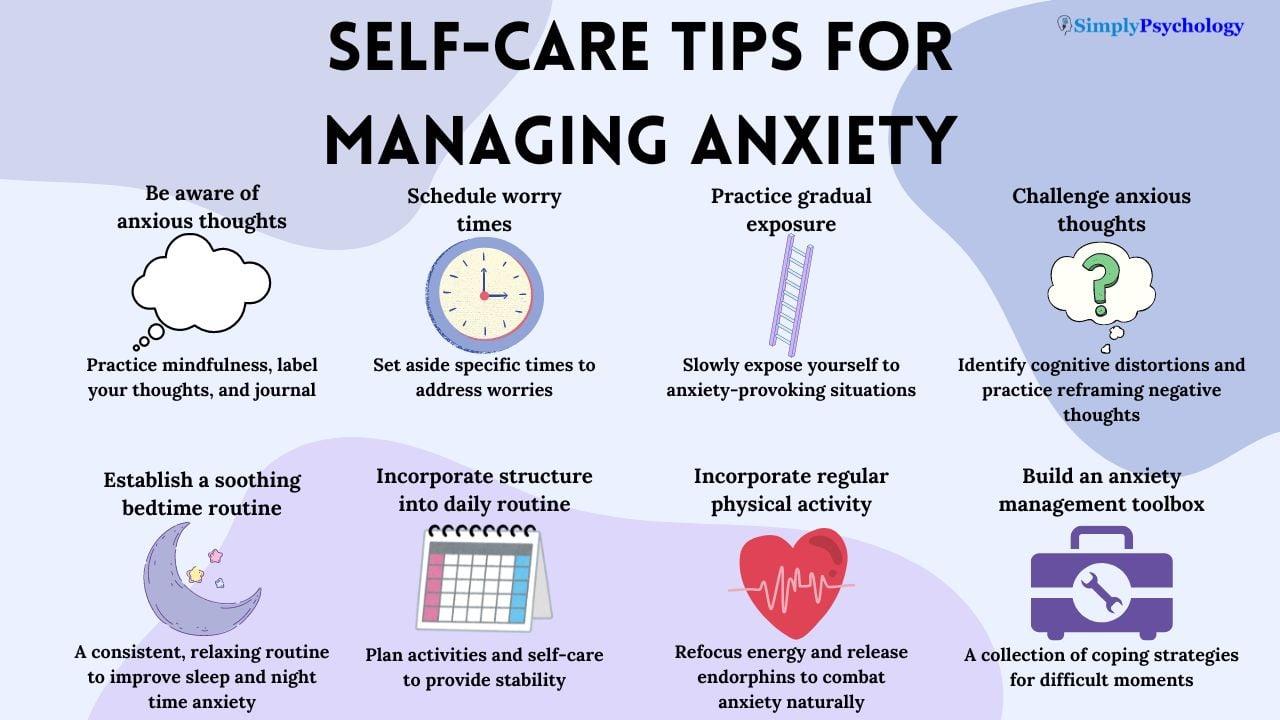
While professional therapy plays a crucial role in addressing mental health challenges, it is not the only path to achieving emotional well-being. Families can cultivate resilience and harmony through accessible self-help strategies that nurture mental and emotional health. Embracing these practices can empower families to create supportive environments where each member thrives.
- Open Communication: Encourage honest and open dialogue among family members. Creating a safe space for sharing thoughts and feelings can foster mutual understanding and trust.
- Mindfulness Practices: Incorporating mindfulness exercises, such as meditation or deep-breathing techniques, can help reduce stress and enhance emotional regulation.
- Setting Boundaries: Establishing clear and respectful boundaries can help manage expectations and reduce conflict within the family unit.
- Shared Activities: Engage in activities that promote bonding, such as family game nights or outdoor adventures, to strengthen relationships and create joyful memories.
- Gratitude Journaling: Encourage family members to keep gratitude journals, fostering a positive outlook and appreciation for one another.
By integrating these strategies, families can take proactive steps towards emotional well-being, fostering an environment where each member can grow and flourish.

Building Resilience through Community and Peer Support
While professional therapy can be a crucial resource for many, it’s important to recognize that emotional well-being can also be cultivated through the strength of community and peer support. Families can tap into the power of shared experiences and mutual understanding, fostering a nurturing environment that promotes resilience. Here are some ways community and peer support can enhance emotional well-being:
- Shared Experiences: Engaging with others who have faced similar challenges can provide validation and reduce feelings of isolation. By exchanging stories and insights, families can find comfort in knowing they are not alone in their struggles.
- Mutual Support: Community groups and peer networks often operate on the principle of reciprocity, where members both give and receive support. This dynamic not only empowers individuals but also strengthens communal bonds.
- Collective Problem-Solving: In a supportive community, families can brainstorm solutions to common issues, drawing on diverse perspectives and experiences. This collaborative approach can lead to innovative strategies for overcoming adversity.
Ultimately, leveraging the power of community and peer networks can be an effective way for families to bolster their emotional health, offering a complementary or alternative path to traditional therapy.

Cultivating Emotional Intelligence at Home
Incorporating emotional intelligence practices into daily family life can profoundly impact interpersonal relationships and individual well-being. Communication is the cornerstone of this endeavor. Encourage open dialogues where every family member feels safe expressing their feelings without judgment. This fosters a nurturing environment that allows emotions to be acknowledged and understood, rather than suppressed or ignored.
- Empathy Exercises: Engage in activities that promote understanding and compassion. This could be as simple as discussing how characters in a book might feel or role-playing different scenarios to appreciate diverse perspectives.
- Mindfulness Practices: Introduce short, daily mindfulness exercises. These can help family members become more aware of their emotional states and develop the ability to manage them effectively.
- Emotion Vocabulary: Build a rich vocabulary around emotions. Encourage everyone to articulate their feelings with more precision, moving beyond basic descriptors like ‘happy’ or ‘sad’ to words like ‘elated’ or ‘disappointed’.
By embedding these practices into everyday interactions, families can enhance their emotional resilience without needing professional intervention. This proactive approach empowers each member to navigate life’s challenges with a more grounded, emotionally intelligent mindset.