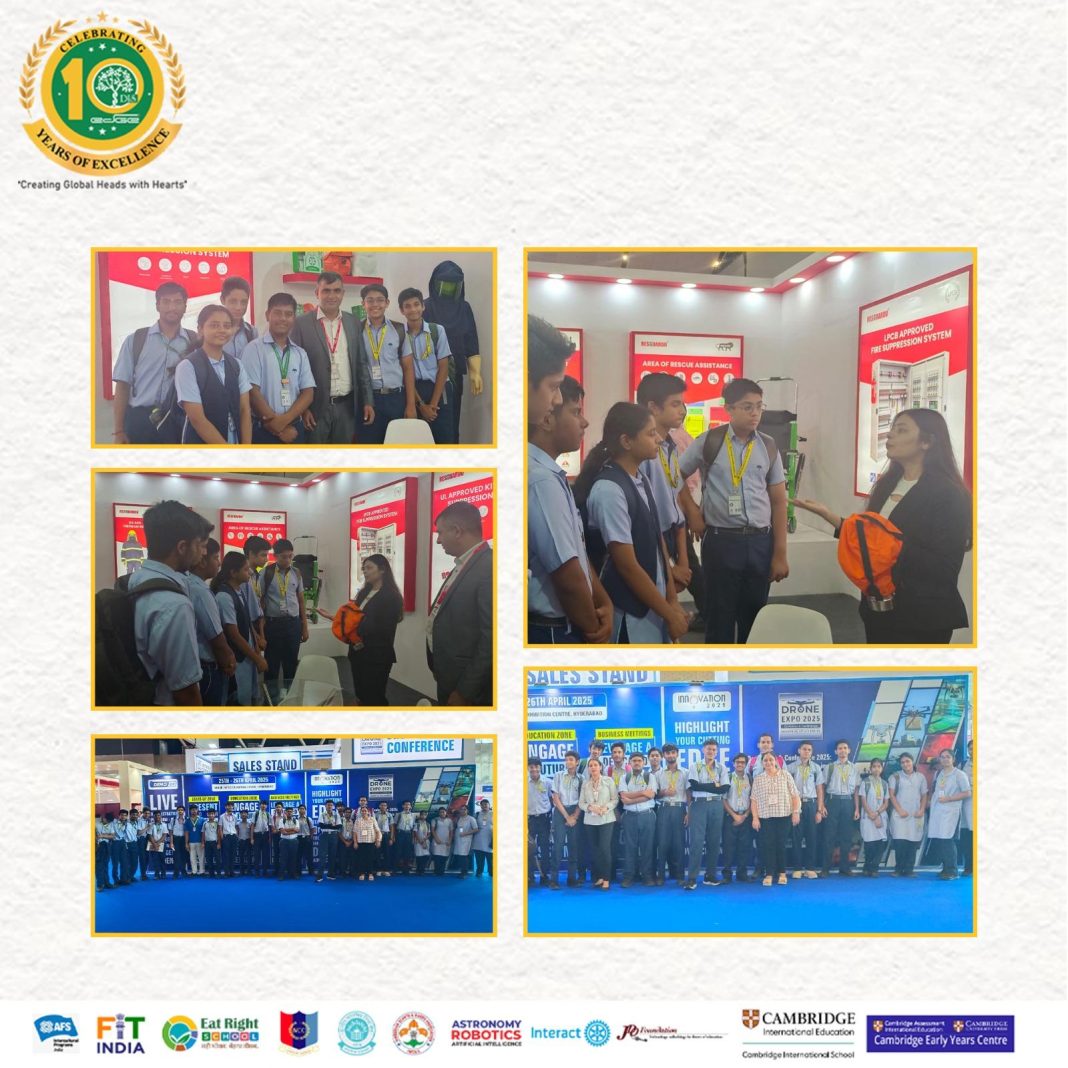
In the ever-evolving landscape of education and career development, the debate over the relative importance of extracurricular activities versus traditional academics continues to spark intense discussion. As the demands of the modern workforce shift towards a more holistic set of skills, extracurricular activities are emerging as crucial components of future success. These activities, ranging from sports and arts to volunteering and leadership roles, offer students unique opportunities to develop critical soft skills such as teamwork, communication, and adaptability—traits that are increasingly valued in today’s dynamic job market. This article delves into the compelling argument that extracurricular activities, rather than academic achievements alone, serve as the cornerstone for cultivating the well-rounded, innovative thinkers that the future demands. By examining the multifaceted benefits of these pursuits, we aim to illuminate why they are not merely complementary to academics, but essential for equipping individuals with the tools necessary for long-term success in a rapidly changing world.
Understanding the Impact of Extracurricular Activities on Career Development
Extracurricular activities play a crucial role in shaping an individual’s career trajectory by fostering essential skills that are often not emphasized in traditional academic settings. Through participation in clubs, sports, and volunteer opportunities, individuals develop soft skills such as leadership, teamwork, and communication. These competencies are highly valued in the workplace and can significantly enhance employability. Moreover, engaging in these activities allows individuals to explore diverse interests, leading to the discovery of passions that might influence their career choices.
In addition to skill development, extracurricular involvement provides a platform for networking and building professional relationships. Interacting with peers, mentors, and industry professionals during these activities can open doors to internships, job opportunities, and valuable references. Furthermore, being active in extracurriculars demonstrates initiative and commitment, qualities that employers often look for when evaluating potential candidates. This hands-on experience can also translate into a competitive advantage during job interviews, where real-world examples of problem-solving and leadership can set candidates apart.
- Enhances leadership and teamwork abilities
- Facilitates exploration of personal interests
- Builds a professional network
- Demonstrates initiative and commitment
- Provides real-world examples for interviews

Analyzing the Long-Term Benefits of Non-Academic Skills in the Workforce
In today’s dynamic work environment, possessing non-academic skills can often be the key differentiator in achieving long-term career success. While traditional education lays the foundation for knowledge, it is the skills honed through extracurricular activities that frequently shape an individual’s ability to adapt and thrive. Employers increasingly value attributes such as emotional intelligence, leadership, and adaptability—traits that are rarely taught in classrooms but are nurtured through activities like sports, arts, and volunteer work.
Engaging in extracurricular pursuits can foster a diverse range of competencies, including:
- Teamwork: Collaborating with others in sports or group projects develops the ability to work harmoniously towards common goals.
- Problem-solving: Creative clubs and competitions challenge individuals to think critically and devise innovative solutions.
- Time management: Balancing multiple commitments teaches effective prioritization and efficiency.
- Communication skills: Participation in debates or drama enhances the ability to articulate ideas clearly and persuasively.
These skills not only contribute to personal growth but also align with the competencies sought by forward-thinking organizations. As industries continue to evolve, the ability to learn and adapt becomes paramount, underscoring the enduring value of non-academic skillsets in the workforce.
How Extracurricular Involvement Cultivates Essential Leadership Qualities
Engaging in extracurricular activities offers students invaluable opportunities to develop leadership qualities that are often not nurtured within the confines of traditional academics. These activities place students in real-world scenarios where decision-making, teamwork, and problem-solving skills are paramount. Through roles such as team captains, club presidents, or event coordinators, students experience firsthand the complexities of leading a group, including the challenges of motivating peers and navigating group dynamics.
- Decision-Making: Participating in student councils or debate clubs hones the ability to make informed decisions under pressure.
- Communication Skills: Theater productions and public speaking engagements enhance verbal and non-verbal communication, crucial for any leader.
- Teamwork and Collaboration: Sports teams and group projects foster a sense of camaraderie and the importance of working towards a common goal.
- Adaptability: Extracurriculars often involve unpredictable situations, teaching students to adapt quickly and efficiently.
Such experiences not only prepare students for leadership roles but also instill a sense of confidence and resilience. As they encounter various challenges and triumphs, they learn to embrace both success and failure as integral parts of growth, equipping them with a robust skill set that is essential for future success beyond academics.
Strategic Recommendations for Balancing Academics and Extracurricular Commitments
To achieve an optimal equilibrium between academics and extracurricular engagements, it is imperative to adopt a strategic approach. Start by prioritizing commitments; assess which activities align most closely with personal and career aspirations. For students, this could mean selecting clubs or sports that enhance leadership skills, while also being mindful of academic obligations.
- Time Management: Develop a comprehensive schedule that allocates time for both study and extracurricular pursuits. Utilize tools like digital calendars or planners to ensure balanced distribution of time.
- Goal Setting: Clearly define short-term and long-term goals for both academic and extracurricular domains. This will help in focusing efforts and resources efficiently.
- Seek Support: Leverage the support of mentors or counselors who can provide guidance on balancing both areas effectively. Their insights can help in making informed decisions that do not compromise on either front.
- Reflection and Adjustment: Regularly evaluate progress in both academics and extracurricular activities. Be open to adjusting commitments as necessary to maintain a healthy balance.
By following these strategic recommendations, individuals can harness the benefits of both academics and extracurricular activities, paving the way for a more holistic development and future success.