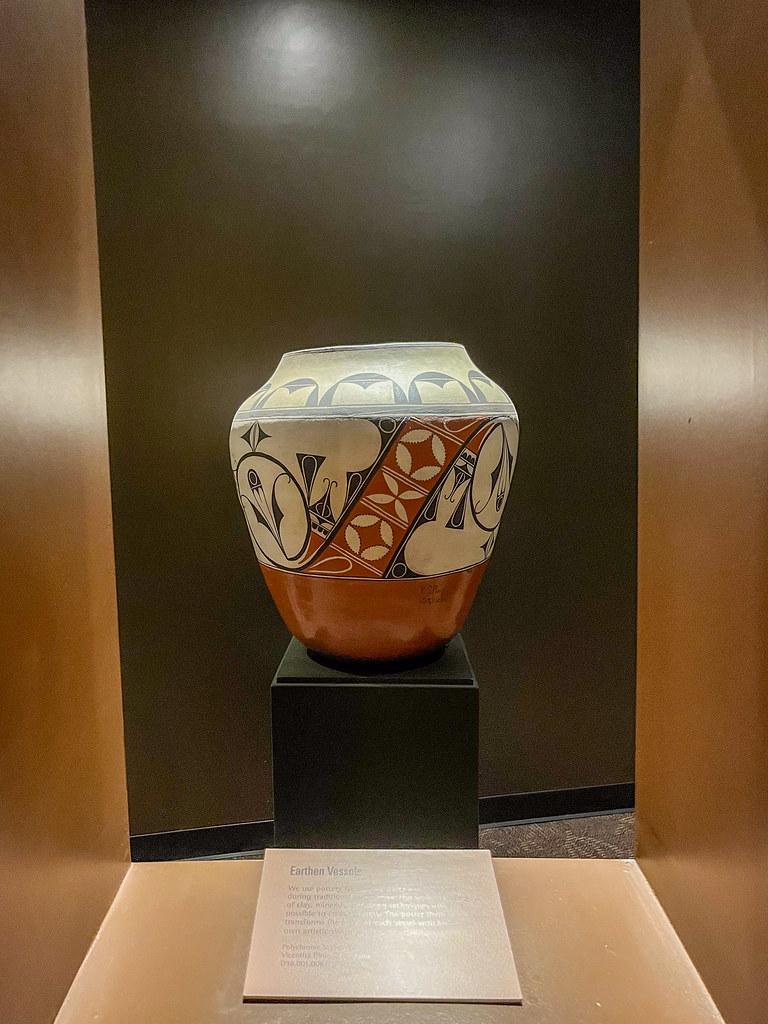
In an increasingly technology-driven world, the significance of arts education in fostering a well-rounded development for children is often underestimated. However, a growing body of research underscores the profound impact that exposure to the arts can have on a child’s cognitive, social, and emotional growth. As educators and parents grapple with curricular decisions, it is crucial to recognize that arts education is not merely an ancillary component of learning, but a fundamental pillar that enriches and enhances a child’s developmental trajectory. This article delves into the multifaceted value of arts education, presenting a compelling case for its integration as a core element of educational programs. Through a rigorous analysis of current studies and expert opinions, we aim to illuminate how the arts cultivate critical thinking, creativity, and empathy—skills that are indispensable in navigating the complexities of the modern world.
Understanding the Cognitive Benefits of Arts Education
Arts education plays a pivotal role in enhancing a child’s cognitive abilities, fostering skills that are crucial for overall development. Engaging in artistic activities such as painting, music, and theater stimulates different areas of the brain, encouraging the development of fine motor skills, visual learning, and decision-making abilities. These activities promote creativity and imagination, which are not just valuable in artistic endeavors but also in problem-solving and critical thinking tasks. Studies have shown that students involved in arts education often exhibit improved academic performance and a higher ability to focus and retain information.
Moreover, arts education cultivates emotional intelligence by allowing children to express themselves freely and understand diverse perspectives. This is achieved through activities that require them to interpret emotions, collaborate with peers, and present their ideas effectively. Key cognitive benefits of arts education include:
- Enhanced memory and concentration
- Improved spatial-temporal skills
- Development of critical thinking and problem-solving abilities
- Boosted emotional regulation and empathy
Integrating arts into the educational framework is not just about fostering creativity; it is about building a foundation for lifelong learning and adaptation in an ever-changing world.

Enhancing Emotional Intelligence Through Creative Expression
Creative expression through arts education plays a pivotal role in nurturing a child’s emotional intelligence, offering them a unique platform to explore and understand their emotions. By engaging in artistic activities, children learn to identify, express, and manage their feelings in a constructive manner. This process not only enhances their self-awareness but also fosters empathy, as they begin to appreciate diverse perspectives and emotions. Moreover, the arts encourage children to think outside the box, promoting innovative problem-solving skills and emotional resilience.
- Self-awareness: Arts education helps children recognize their emotions and the impact they have on their thoughts and behaviors.
- Empathy: Through stories, drama, and visual arts, children learn to understand and appreciate others’ emotions.
- Emotional regulation: Creative activities provide a safe outlet for children to express and manage their emotions.
- Social skills: Collaborative projects in the arts teach children to communicate and work effectively with others.

Fostering Social Skills and Collaboration in Artistic Environments
In the realm of arts education, the development of social skills and collaboration stands as a cornerstone of the learning experience. Artistic environments naturally encourage interaction; whether through joint projects, group critiques, or ensemble performances, children learn the value of teamwork and communication. This collaborative atmosphere fosters an understanding of diverse perspectives, nurturing empathy and adaptability in young minds.
- Team Projects: Working on a mural or a theatrical play requires students to combine their unique skills, enhancing their ability to compromise and delegate tasks effectively.
- Peer Feedback: Engaging in constructive criticism sessions helps students articulate their thoughts and learn from others, refining both their art and their interpersonal skills.
- Diverse Perspectives: Exposure to various artistic styles and cultural expressions broadens students’ horizons, promoting inclusivity and open-mindedness.
These experiences not only cultivate a sense of community but also prepare children for future professional environments, where collaboration and social acumen are invaluable assets.
Practical Strategies for Integrating Arts into Daily Learning
Integrating arts into daily learning can transform your child’s educational experience, fostering creativity, critical thinking, and emotional intelligence. By incorporating artistic elements into various subjects, educators can make learning more engaging and impactful. Here are some practical strategies to seamlessly blend arts with everyday lessons:
- Storytelling through Visual Arts: Encourage children to create drawings or paintings that represent concepts they learn in subjects like history or science. This approach not only aids memory retention but also allows students to express their understanding in a personal and imaginative way.
- Music and Rhythms in Mathematics: Use music to teach mathematical concepts such as fractions, patterns, or multiplication tables. Clapping rhythms or composing simple tunes can make abstract ideas more tangible and enjoyable.
- Theatrical Role-Playing in Language Arts: Introduce role-playing activities where children act out scenes from literature or create their own scripts. This not only enhances comprehension and empathy but also builds communication skills.
- Dance and Movement in Physical Education: Incorporate dance routines that connect with topics in other subjects, such as interpreting a poem through movement or exploring cultural dances related to a geography lesson.
By weaving the arts into everyday learning, we not only enrich the educational landscape but also equip children with the skills necessary to navigate an increasingly complex world. These strategies are more than just creative exercises; they are essential components of a holistic education.