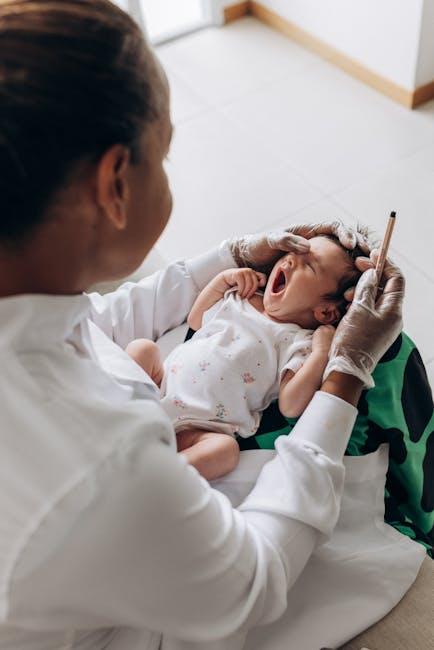
In an era where the pace of life often overshadows the subtle signs of health deterioration, regular health check-ups have emerged as a crucial component of preventive healthcare for families. These routine assessments, far from being mere formalities, serve as a proactive approach to maintaining wellness and preempting potential health crises. The significance of regular health evaluations extends beyond individual well-being, fostering a culture of health consciousness that permeates entire households. By systematically identifying risk factors and detecting conditions at their nascent stages, families can not only mitigate the progression of diseases but also cultivate healthier lifestyles. This article delves into the multifaceted benefits of routine health check-ups, examining their role in early diagnosis, cost-effectiveness, and the promotion of long-term health for families. Through an analytical lens, we will explore how these regular medical assessments are not merely recommended but essential in navigating the complexities of modern healthcare, ultimately empowering families to lead healthier, more informed lives.
Understanding the Role of Health Check Ups in Preventative Care
Regular health check-ups are a cornerstone of preventative care, playing a critical role in maintaining family health. By scheduling these appointments, families can benefit from early detection of potential health issues, which often leads to more effective and less invasive treatments. This proactive approach not only reduces the risk of developing serious conditions but also supports long-term well-being.
- Early Detection: Identifying health issues before symptoms appear can prevent complications and improve treatment outcomes.
- Vaccinations and Screenings: Routine visits ensure timely vaccinations and age-appropriate screenings, essential for disease prevention.
- Personalized Health Advice: Health professionals provide tailored advice on lifestyle modifications, dietary changes, and exercise, empowering families to make informed health decisions.
Incorporating regular health check-ups into family routines is not merely a precaution; it is a strategic investment in a healthier future. Through this commitment, families gain a comprehensive understanding of their health status, which is vital for managing existing conditions and preventing new ones.

Analyzing the Impact of Regular Screenings on Long-Term Family Health
In the intricate tapestry of family health, regular medical screenings act as pivotal threads that weave together a robust and resilient future. Preventive health check-ups play a crucial role in identifying potential health risks before they manifest into more severe conditions, thus enabling timely intervention and treatment. Families that prioritize regular screenings often enjoy the advantage of early detection, which can significantly reduce the risk of chronic illnesses and enhance overall well-being. The proactive approach not only safeguards the health of individual family members but also fortifies the family’s collective resilience against unforeseen health challenges.
- Early Detection: Identifying conditions like diabetes, hypertension, and certain cancers at an early stage can dramatically improve treatment outcomes.
- Cost Efficiency: Preventive care often leads to reduced healthcare costs by minimizing the need for expensive treatments and hospitalizations.
- Comprehensive Health Management: Regular screenings provide a comprehensive overview of a family’s health, allowing for personalized healthcare plans.
Moreover, the ripple effect of regular health check-ups extends beyond immediate physical health. They foster a culture of health consciousness and proactive care within the family, encouraging healthier lifestyle choices and habits. This culture, in turn, strengthens the family’s ability to manage stress and adapt to life’s challenges, ultimately nurturing a more harmonious and fulfilling family life.
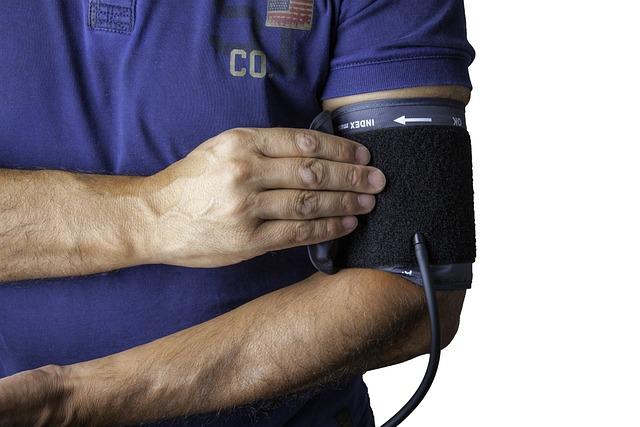
Evaluating the Benefits of Early Detection and Timely Interventions
In the landscape of family health, the significance of early detection and timely interventions cannot be overstated. Regular health check-ups serve as a cornerstone for identifying potential health issues before they escalate into serious conditions. Early detection empowers families to take control of their health journey, enabling them to make informed decisions and adopt preventive measures. This proactive approach not only enhances the quality of life but also minimizes healthcare costs in the long run.
Consider the myriad of benefits that come with regular screenings and assessments:
- Improved Prognosis: Catching health issues in their nascent stages often results in more effective treatment outcomes.
- Cost Efficiency: Preventive care and early treatment can significantly reduce the financial burden associated with chronic illnesses.
- Peace of Mind: Knowing that one’s health is consistently monitored provides a sense of security and reduces anxiety.
By prioritizing regular check-ups, families can ensure that they are not only reactive but also proactive in maintaining their well-being, creating a healthier future for all members.
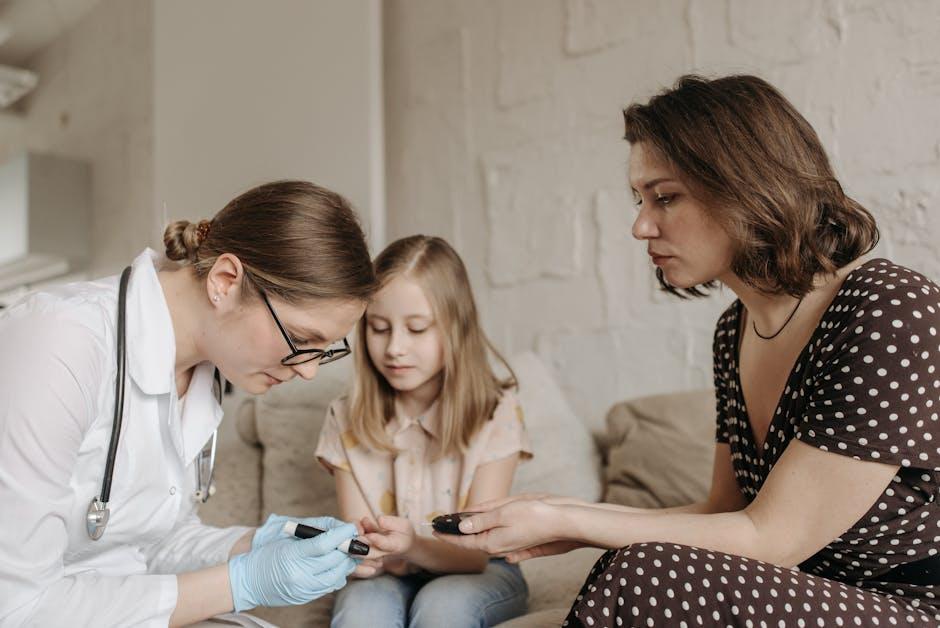
Formulating Strategies for Incorporating Health Check Ups into Family Routines
Incorporating regular health check-ups into family routines requires thoughtful planning and commitment. A proactive approach involves creating a structured plan that aligns with your family’s unique schedule and health needs. Start by identifying the most convenient times for appointments, considering work, school, and extracurricular activities. It might be helpful to establish a family health calendar where all medical appointments are noted, ensuring that everyone is aware and prepared. This method not only promotes organization but also underscores the importance of health as a family priority.
To ease the process, consider setting up reminders through digital tools or apps that can alert family members ahead of upcoming check-ups. Additionally, fostering a culture of health awareness at home can significantly influence how check-ups are perceived. Engage in open discussions about the benefits of preventive care and encourage each family member to take an active role in their health journey. Creating a reward system for maintaining regular check-ups could also serve as motivation, particularly for younger family members. By embedding these strategies into your family’s routine, health check-ups can become a seamless and valued part of life.