
In recent years, the supplement industry has experienced significant growth, with an increasing number of parents turning to vitamins and dietary supplements to enhance their children’s health. However, amidst the myriad of options available, a critical question arises: are these supplements truly necessary for children who already consume a balanced diet? This article delves into the nutritional needs of children, examining whether supplements provide any additional benefits beyond a well-rounded diet. By analyzing scientific studies and expert opinions, we aim to unravel the necessity—or lack thereof—of dietary supplements for children who have access to a variety of nutritious foods. Our exploration reveals that a balanced diet is not only sufficient but also superior in providing the essential nutrients children need for healthy growth and development, challenging the pervasive belief that supplements are an indispensable part of a child’s nutritional regimen.
Understanding Nutritional Needs in Childhood
When considering the dietary needs of children, it’s essential to recognize the role of a well-rounded diet in providing the necessary nutrients for growth and development. A balanced diet rich in whole foods naturally supplies the vitamins and minerals that children need to thrive. Fruits and vegetables offer a bounty of vitamins and antioxidants, while whole grains provide energy-sustaining carbohydrates and essential B vitamins. Lean proteins, including beans, poultry, and fish, contribute to muscle development and repair, while dairy products supply calcium and vitamin D, crucial for strong bones and teeth.
- Fruits and Vegetables: High in vitamins C and A, fiber, and antioxidants.
- Whole Grains: Source of B vitamins, iron, and energy.
- Lean Proteins: Essential for muscle growth and repair.
- Dairy Products: Provide calcium and vitamin D for bone health.
While some parents might consider supplements to ensure their children receive adequate nutrition, experts argue that with a varied and balanced diet, supplements become unnecessary. Not only do whole foods provide the nutrients in their most bioavailable form, but they also offer additional health benefits, such as fiber and phytonutrients, that supplements simply cannot match. Furthermore, over-reliance on supplements can inadvertently lead to nutrient imbalances or excessive intake of certain vitamins and minerals, which can be harmful. Thus, focusing on incorporating a wide array of natural foods into daily meals is the most effective and safest way to meet the nutritional needs of children.
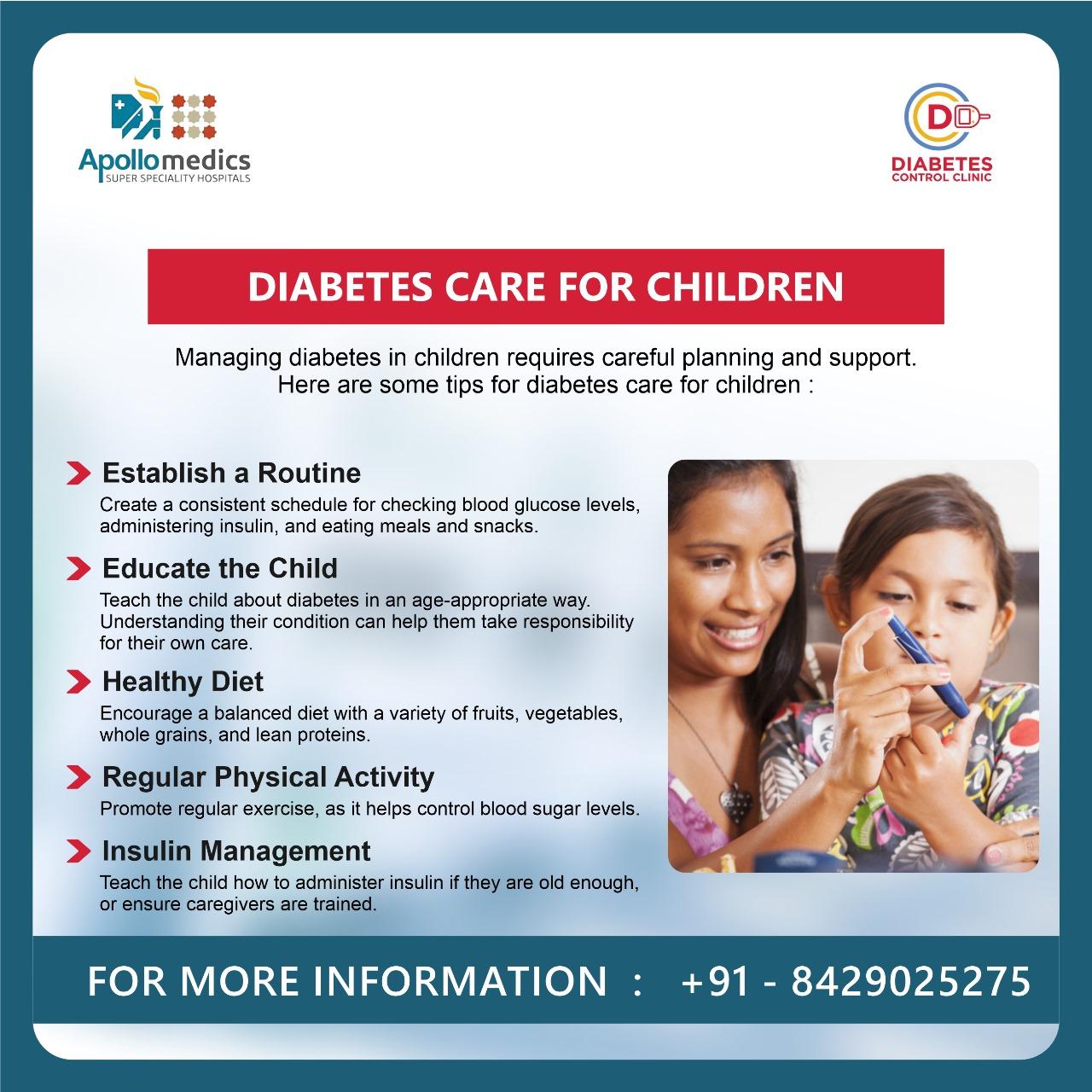
Examining the Role of a Balanced Diet in Child Development
In the journey of child development, nutrition plays a pivotal role. A well-rounded diet is often sufficient to meet the nutritional needs of growing children, rendering supplements largely unnecessary. When children consume a variety of foods, they naturally acquire essential vitamins and minerals. These include vitamin A for vision, vitamin C for immunity, and iron for cognitive development. Such nutrients are abundantly available in a diverse diet comprising fruits, vegetables, grains, proteins, and dairy.
- Fruits and Vegetables: Rich in vitamins, minerals, and antioxidants.
- Whole Grains: Provide fiber and essential B vitamins.
- Proteins: Vital for muscle growth and repair, found in lean meats, beans, and nuts.
- Dairy: Important for calcium and vitamin D, crucial for bone health.
Furthermore, relying on a balanced diet encourages healthier eating habits, promoting lifelong wellness. While supplements can seem like an easy fix, they often lack the complex nutritional synergy found in whole foods. Emphasizing a balanced diet not only supports physical growth but also fosters mental development, ensuring that children have the foundation they need for a healthy future.
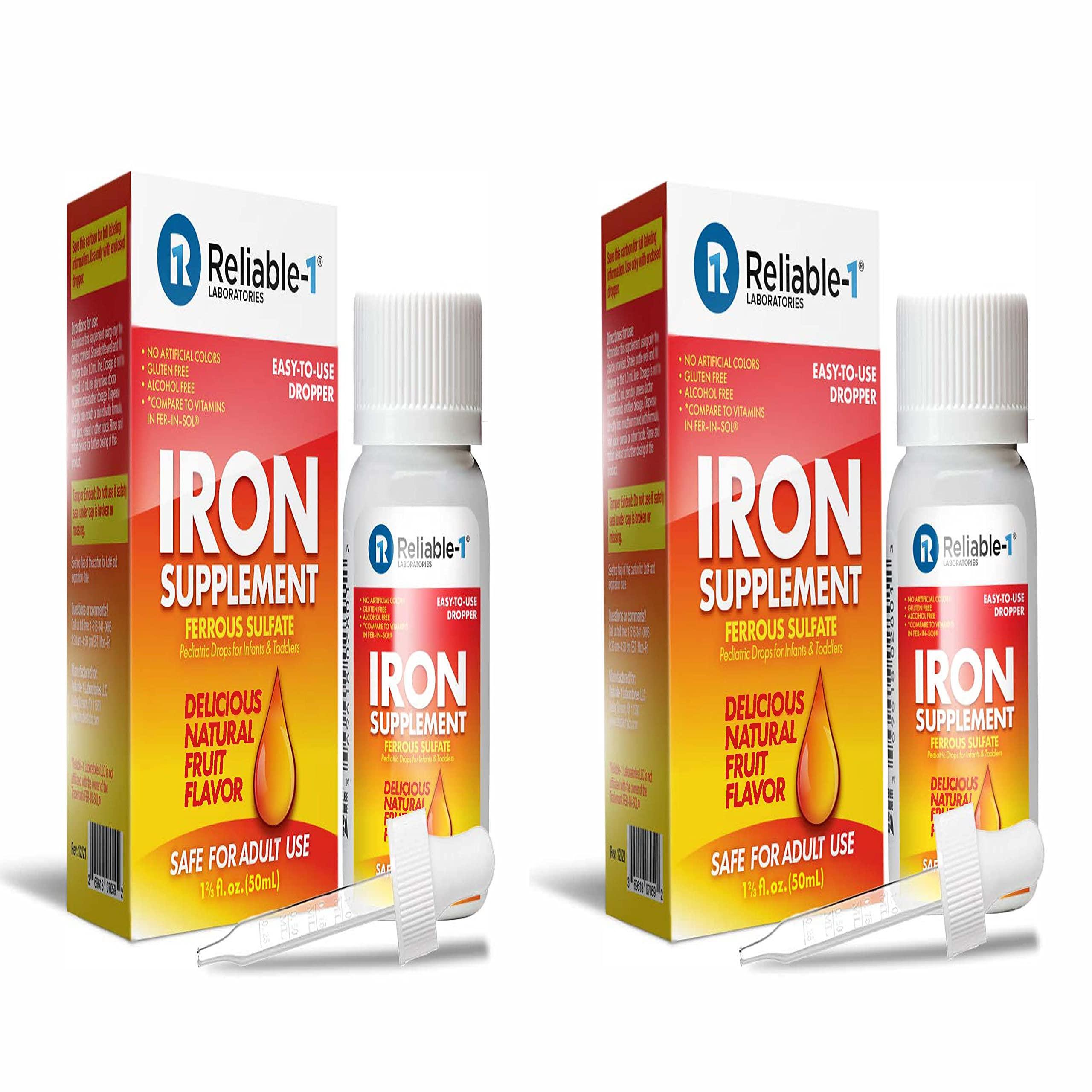
Debunking Myths Surrounding Pediatric Supplements
- Myth 1: All Nutrients Can Be Obtained from Food Alone
While it’s true that a balanced diet is the cornerstone of good health, the assumption that it can fully meet all nutritional needs is an oversimplification. Certain circumstances, such as picky eating habits, food allergies, or chronic medical conditions, can lead to nutrient gaps. For instance, Vitamin D, essential for bone development, is notoriously difficult to obtain from food alone, especially in regions with limited sunlight. In these cases, pediatric supplements can provide the necessary nutrients that a child’s diet might lack.
- Myth 2: Supplements Are Harmful to Children
The idea that supplements could be harmful stems largely from misconceptions about dosage and necessity. When taken as recommended, supplements are not only safe but can also play a crucial role in supporting growth and development. It’s essential to choose products that are specifically designed for children, adhering to pediatric dosage guidelines. Moreover, these supplements are formulated to complement a child’s diet, ensuring they receive the nutrients needed for optimal health.
while a balanced diet should be the primary source of nutrition for children, pediatric supplements can be a beneficial addition for ensuring complete nutrient intake. It’s important to consult with healthcare professionals to tailor these supplements to each child’s unique needs.
Expert Recommendations for Optimal Child Nutrition
When it comes to ensuring your child receives all the essential nutrients, a well-rounded diet is the key to success. A balanced diet rich in fruits, vegetables, whole grains, lean proteins, and dairy provides most of the nutrients that children need for growth and development. These foods offer a natural source of vitamins, minerals, and other vital compounds that supplements cannot replicate. For instance, fruits and vegetables are not only packed with vitamins and minerals but also contain dietary fiber and antioxidants, which play a crucial role in promoting a healthy digestive system and boosting immunity.
- Fruits and Vegetables: Aim for a variety of colors to ensure a range of nutrients.
- Whole Grains: Choose options like brown rice, oats, and whole wheat bread for added fiber and nutrients.
- Lean Proteins: Include sources such as chicken, fish, beans, and nuts to support muscle development.
- Dairy: Incorporate milk, cheese, and yogurt for calcium and vitamin D to strengthen bones.
While the idea of giving supplements might seem like a quick fix, they are often unnecessary if your child’s diet is well-planned. Furthermore, reliance on supplements can sometimes lead to nutrient imbalances and might even mask underlying dietary issues. By focusing on a diverse and nutrient-rich diet, parents can feel confident in supporting their child’s health naturally and effectively.