
In an increasingly complex financial landscape, selecting the right financial advisor for your family is a critical decision that can significantly impact your financial well-being and future security. With myriad options available, ranging from independent advisors to large financial institutions, understanding how to evaluate and choose the right professional is essential. This article delves into the key factors to consider when seeking a financial advisor, providing a comprehensive analysis of credentials, fee structures, and advisory approaches. By examining these elements, we aim to equip you with the knowledge and confidence needed to make an informed decision, ensuring that your family’s financial goals are aligned with expert guidance tailored to your unique circumstances.
Understanding Your Financial Needs and Goals
Before diving into the search for a financial advisor, it’s crucial to have a clear understanding of your unique financial landscape. Start by evaluating your current financial situation: assess your income, expenses, debts, and assets. Consider the lifestyle you aspire to maintain or achieve and the milestones you wish to reach, such as purchasing a home, funding education, or planning for retirement. This comprehensive overview will serve as a foundation for setting realistic and achievable financial goals.
Next, prioritize your financial objectives. These can include:
- Building an emergency fund
- Paying off debt
- Investing for long-term growth
- Saving for your children’s education
- Planning for retirement
Clearly defined goals not only provide direction but also help in identifying the expertise required from a financial advisor. Whether you need guidance on investment strategies or advice on tax planning, understanding your needs will enable you to choose a professional whose skills align with your family’s financial aspirations.
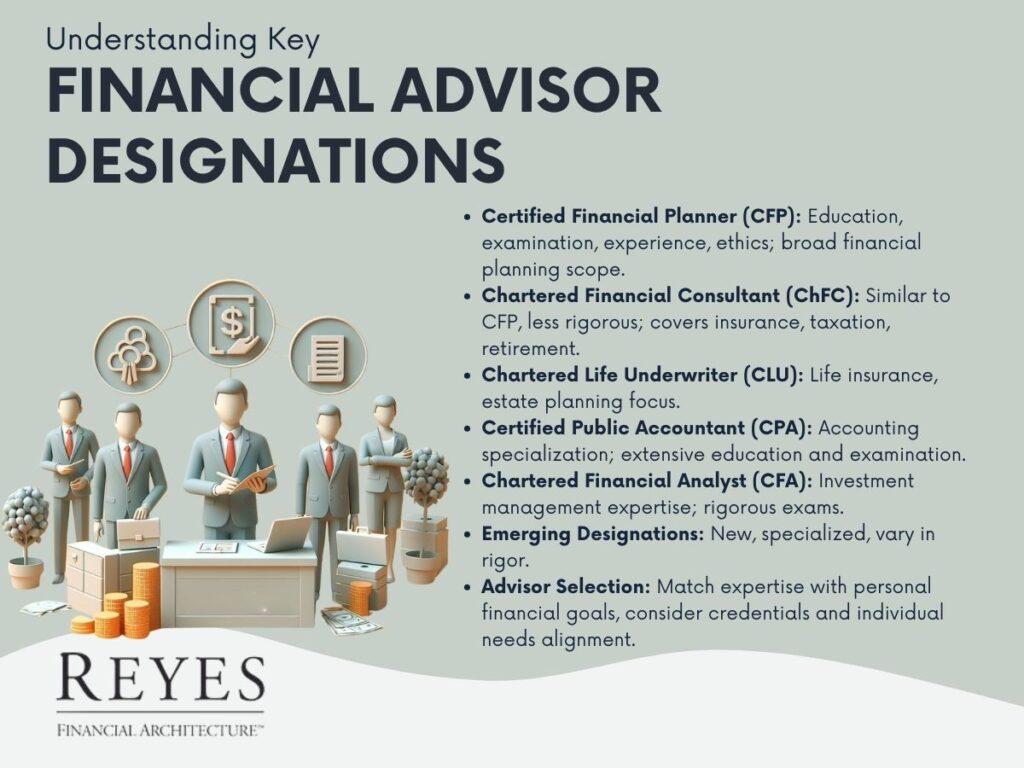
Evaluating the Credentials and Expertise of Advisors
When entrusting your family’s financial future to a professional, it’s crucial to scrutinize their qualifications and experience. Start by checking their certifications—look for credentials such as Certified Financial Planner (CFP), Chartered Financial Analyst (CFA), or Personal Financial Specialist (PFS). These designations are more than just letters; they signify rigorous training, adherence to ethical standards, and a commitment to ongoing education. Next, assess their professional background. Consider how many years they have been practicing and whether they have a track record of success with clients who have similar financial goals to yours.
- Verify their regulatory compliance: Use tools like the FINRA BrokerCheck to ensure they have a clean record.
- Analyze their expertise: Do they specialize in areas that align with your needs, such as retirement planning or estate management?
- Seek testimonials and references: Reach out to past clients to get a sense of their satisfaction and the advisor’s reliability.
By diligently evaluating these factors, you can feel more confident in your choice, knowing that your advisor has both the credentials and the experience to guide your family toward financial stability and growth.

Assessing Communication Styles and Interpersonal Compatibility
In the journey of selecting a financial advisor, understanding their communication style and how it aligns with your family’s dynamics is crucial. Each advisor has a unique approach to conveying information, which can significantly impact how comfortable and confident you feel in their guidance. Consider whether the advisor is more directive, offering clear and concise recommendations, or if they lean towards a collaborative style, involving you in the decision-making process. It’s essential to assess how these styles resonate with your family’s needs and decision-making habits.
Beyond communication, interpersonal compatibility plays a vital role in building a trusting relationship. Ask yourself the following questions to gauge this aspect:
- Do they actively listen and understand your family’s financial goals?
- Are they empathetic and responsive to your concerns?
- Do they maintain a level of professionalism that makes you feel respected and valued?
Identifying these elements can help ensure that the advisor not only meets your financial requirements but also integrates seamlessly into your family’s financial journey.

Considering Fee Structures and Transparency
When evaluating potential financial advisors, it is crucial to scrutinize their fee structures to ensure alignment with your family’s financial goals. Advisors typically charge in a few different ways, such as:
- Flat Fees: A predetermined fee for services, offering predictability and transparency.
- Hourly Rates: Fees based on the time spent on your financial matters, suitable for those who require occasional advice.
- Commission-Based: Advisors earn a commission from financial products they recommend, which can sometimes lead to conflicts of interest.
- Assets Under Management (AUM): A percentage of the assets they manage for you, aligning their success with yours.
Beyond understanding these structures, it’s vital to ensure the advisor is transparent about any potential conflicts of interest and clearly communicates all costs involved. This transparency not only builds trust but also empowers you to make informed decisions, crucial for safeguarding your family’s financial future.