
In the rapidly evolving landscape of early childhood education, where the foundations of lifelong learning and personal development are laid, the integration of emotional intelligence training has emerged as a pivotal component for nurturing well-rounded individuals. As educators and policymakers strive to equip young learners with the tools necessary to navigate an increasingly complex world, the emphasis on emotional intelligence (EI) has gained unprecedented momentum. This article delves into the myriad benefits of incorporating EI training in early childhood education, examining how fostering emotional awareness, empathy, and interpersonal skills from a young age can significantly enhance cognitive development, social interactions, and overall well-being. Through a comprehensive analysis of recent studies and educational practices, we will explore how this transformative approach not only augments traditional academic learning but also prepares children to thrive in diverse environments, ultimately contributing to the cultivation of emotionally intelligent future leaders.
Understanding Emotional Intelligence as a Foundation for Lifelong Learning
Consider the advantages of embedding EI into early education frameworks:
- Improved Academic Performance: Children with higher emotional intelligence are better equipped to focus, solve problems, and persist through challenges, leading to enhanced academic outcomes.
- Enhanced Social Skills: EI training helps children navigate social interactions more effectively, reducing conflicts and fostering a supportive learning environment.
- Increased Resilience: Understanding and managing emotions enables children to cope with setbacks and stress, preparing them for lifelong learning and adaptation.
With these benefits, emotional intelligence becomes a critical component in shaping not just well-rounded students, but resilient individuals ready to tackle the complexities of the world.

Enhancing Social Skills and Empathy Through Early Emotional Intelligence Training
Integrating emotional intelligence training into early childhood education is pivotal for nurturing well-rounded individuals. Social skills and empathy, two fundamental components of emotional intelligence, can be significantly enhanced through targeted activities and structured learning environments. Children who engage in emotional intelligence training are more likely to develop a deeper understanding of their own emotions, as well as the emotions of others, which in turn facilitates more effective communication and relationship-building.
- Improved Communication: Children learn to express their feelings and thoughts clearly, reducing misunderstandings.
- Enhanced Empathy: Empathy is cultivated by encouraging children to consider perspectives different from their own.
- Conflict Resolution Skills: By understanding emotions, children become adept at navigating and resolving conflicts amicably.
- Increased Cooperation: Emotional intelligence fosters a cooperative spirit, as children learn the value of teamwork and mutual respect.
By prioritizing emotional intelligence from an early age, educators and parents can lay a strong foundation for children to grow into empathetic and socially adept adults. This approach not only enriches personal relationships but also contributes to a more harmonious community environment.

Boosting Academic Performance with Emotional Intelligence Development
Incorporating emotional intelligence training in early childhood education offers a multitude of benefits that significantly enhance academic performance. By nurturing skills such as self-awareness, empathy, and effective communication, children develop a robust foundation for learning. Emotional intelligence enables young learners to manage their emotions better, leading to improved focus and reduced anxiety, which are crucial for academic success. Furthermore, it fosters resilience, allowing students to tackle challenges with a positive mindset and a problem-solving attitude.
- Improved Social Interactions: Children learn to collaborate and communicate effectively with peers, enhancing group learning experiences.
- Enhanced Motivation: Emotional intelligence encourages intrinsic motivation, helping students set and achieve academic goals.
- Better Conflict Resolution: Early training in emotional regulation aids in resolving disputes amicably, minimizing classroom disruptions.
By integrating emotional intelligence into the curriculum, educators equip students with essential life skills that extend beyond academics, fostering a holistic approach to education that prepares children for future success.
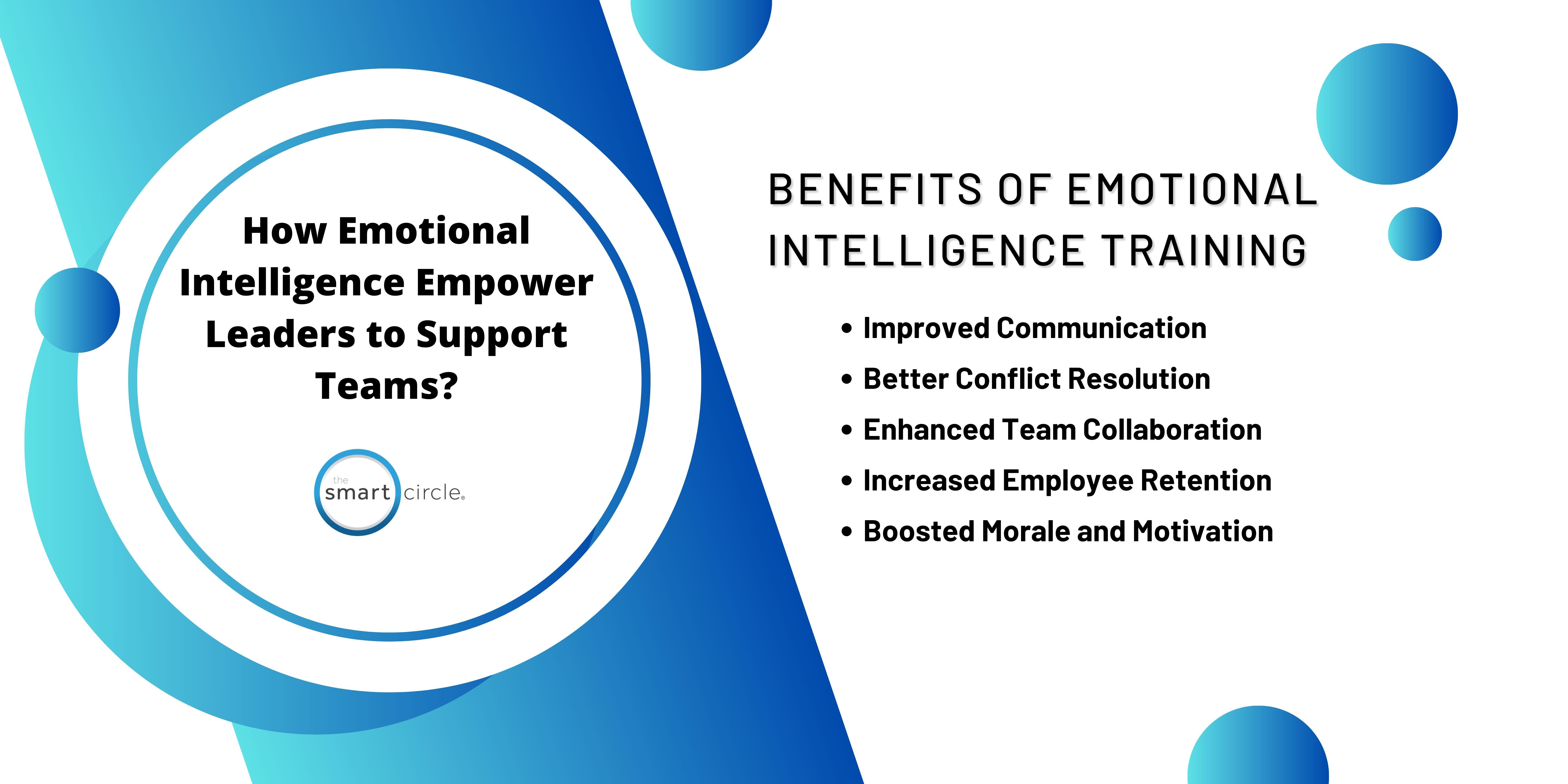
Implementing Effective Strategies for Emotional Intelligence in Early Education
Key strategies in implementing emotional intelligence include:
- Mindfulness exercises that help children become more aware of their feelings and reactions.
- Role-playing activities to teach empathy and perspective-taking.
- Emotion vocabulary lessons that expand children’s ability to express themselves.
These techniques not only contribute to a child’s personal growth but also cultivate a positive classroom environment. Educators who prioritize emotional intelligence create spaces where students feel understood and valued, leading to enhanced cooperation and reduced behavioral issues. By laying this foundation early, we prepare children to become emotionally intelligent adults capable of handling life’s challenges with resilience and empathy.