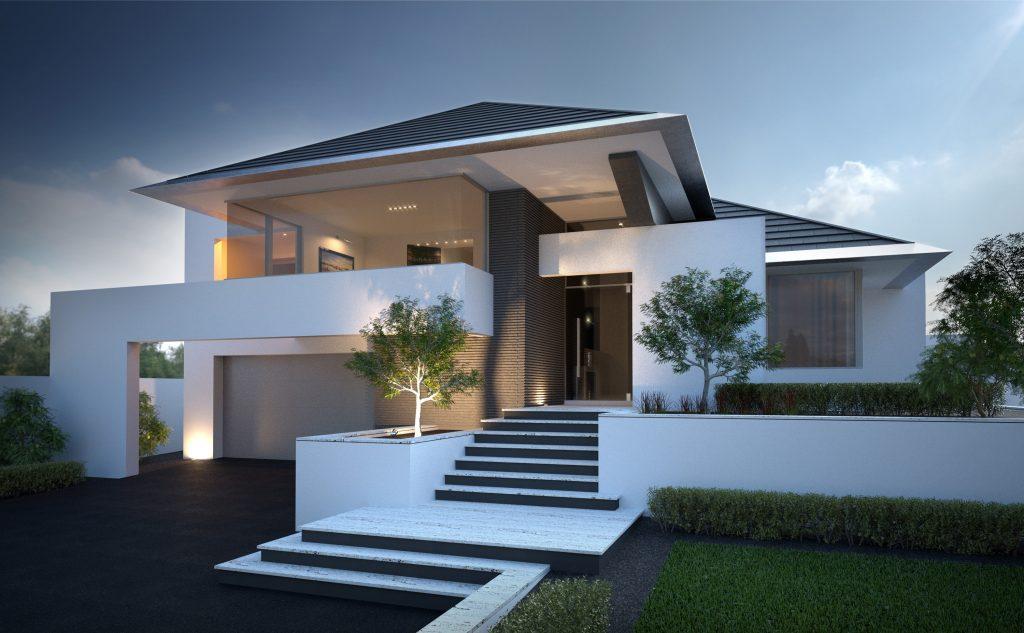
In the realm of luxury home design, the boundaries between indoor and outdoor spaces are increasingly being blurred, creating a harmonious extension that enhances both aesthetics and functionality. This seamless transition not only elevates the living experience but also reflects a sophisticated understanding of spatial dynamics and environmental integration. As homeowners and designers seek to maximize natural light, views, and ventilation, the demand for innovative architectural solutions has surged. This article delves into the strategic approaches and cutting-edge techniques that facilitate the flawless merging of interiors with the outdoors, offering insights into achieving a cohesive and luxurious living environment. By analyzing key elements such as material selection, spatial planning, and technological advancements, we aim to provide a comprehensive guide for creating spaces that epitomize modern elegance and comfort.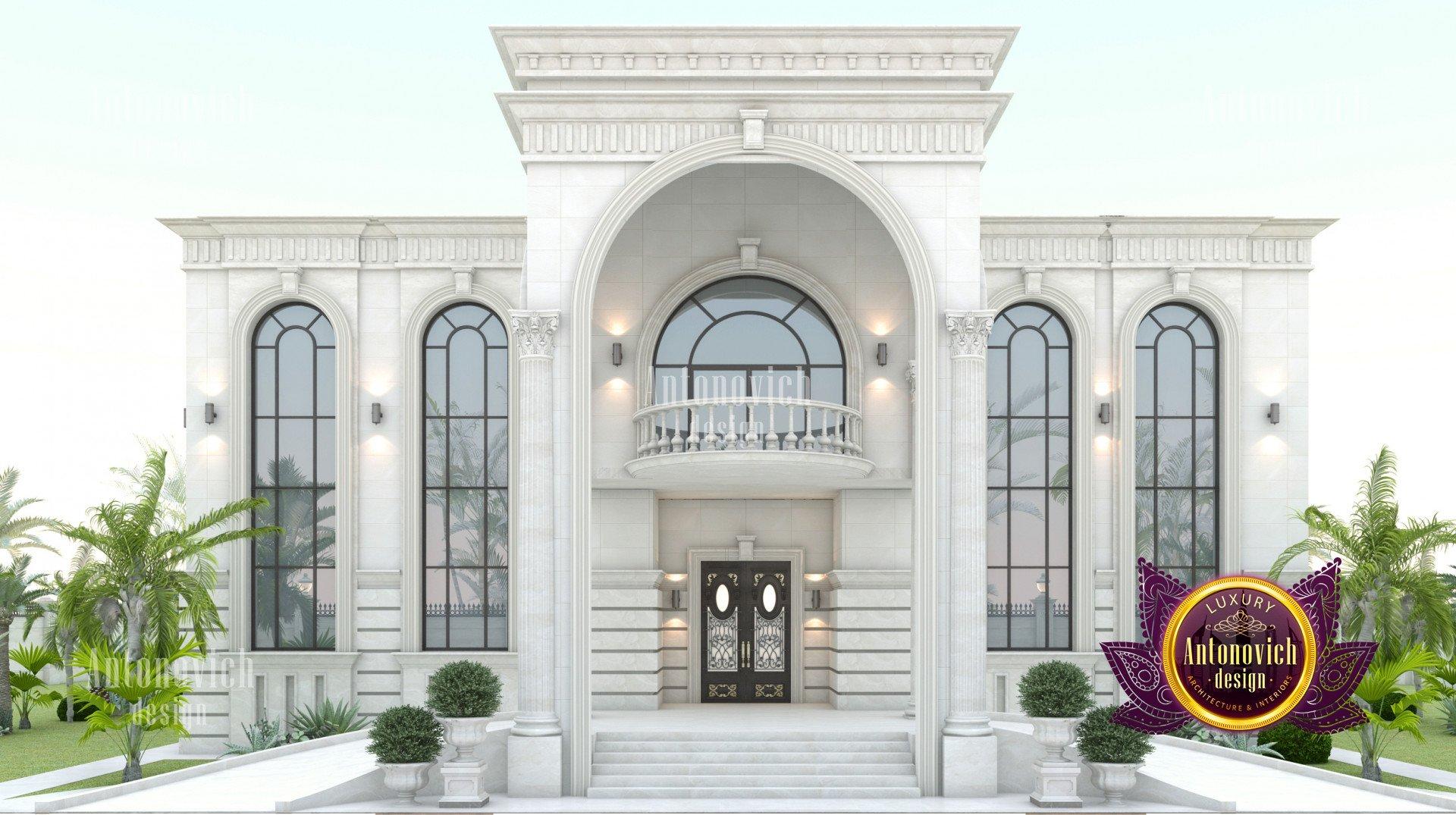
Designing Harmonious Aesthetics to Blend Indoor and Outdoor Environments
Creating a seamless transition between indoor and outdoor spaces in luxury homes requires a meticulous balance of design elements that foster a sense of unity and flow. Material continuity is paramount; utilizing the same or similar flooring materials, such as stone, hardwood, or high-quality tiles, can visually extend the interior space outward. Complement this with consistent color palettes and textures, ensuring that both spaces share a harmonious aesthetic. Large glass doors or floor-to-ceiling windows serve as portals that dissolve boundaries, inviting natural light and outdoor vistas into the home. These elements not only enhance the visual connection but also support energy efficiency and biophilic design principles.
Integrating furniture and décor that blurs the line between indoor and outdoor environments is equally crucial. Consider using weather-resistant materials for outdoor furniture that echo the style and comfort of indoor pieces. This includes selecting textiles and patterns that resonate with the interior design theme. Incorporating greenery and natural elements such as potted plants, vertical gardens, or water features can also unify the spaces. Embrace the use of smart lighting systems that adapt to both settings, providing ambient lighting that transitions seamlessly from day to night. By thoughtfully curating these elements, luxury homes can achieve a cohesive and immersive living experience that celebrates the beauty of both realms.
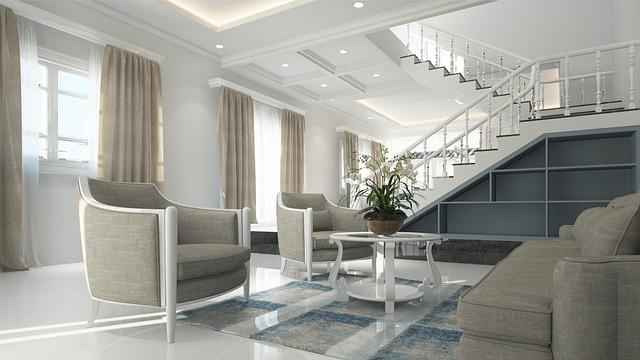
Utilizing Architectural Features to Enhance Spatial Continuity
In luxury homes, the interplay between architecture and environment can create a harmonious flow that blurs the boundaries between indoor and outdoor spaces. Architectural features play a pivotal role in this seamless transition. Large glass panels and sliding doors are fundamental, offering uninterrupted views and fostering a connection with the surrounding landscape. The use of similar flooring materials both inside and outside, such as polished stone or hardwood, enhances the sense of unity. Furthermore, strategically placed overhangs or pergolas can provide shade and visual continuity, while biophilic design elements, like indoor gardens or vertical greenery, integrate natural aesthetics into interior spaces.
Consider these architectural elements to amplify spatial continuity:
- Open floor plans that extend into outdoor living areas
- Consistent color palettes and materials that blend with exterior surroundings
- Water features that traverse indoor and outdoor boundaries, like a stream or pool
- Retractable walls or partitions that disappear to merge spaces
- Lighting design that mimics natural light, transitioning smoothly from inside to out
By thoughtfully incorporating these architectural elements, luxury homes can achieve a seamless transition that enhances both aesthetic appeal and functional living space.
Incorporating Luxurious Materials for a Cohesive Indoor-Outdoor Experience
To achieve a harmonious blend between indoor and outdoor spaces, the selection of materials plays a pivotal role. Luxurious materials not only elevate the aesthetic appeal but also ensure durability and functionality across environments. Consider using natural stone like marble or travertine for flooring that seamlessly extends from the living room to the patio, creating a unified visual flow. Additionally, high-quality hardwoods such as teak or ipe can be used for both interior flooring and exterior decking, thanks to their resilience against varying weather conditions.
For a cohesive look, incorporate textiles and fabrics that complement both settings. Opt for water-resistant materials such as Sunbrella or outdoor-rated velvet for cushions and draperies, which can withstand the elements while maintaining an opulent feel. Other materials to consider include:
- Metal Accents: Use brass or stainless steel for door handles and railings that can unify interior and exterior elements.
- Glass Walls and Sliding Doors: Enable unobstructed views and light flow, blurring the boundaries between spaces.
- Porcelain Tiles: Perfect for both areas, offering the durability needed for outdoor spaces without compromising on luxury.
Strategically Placing Lighting to Create an Inviting Atmosphere
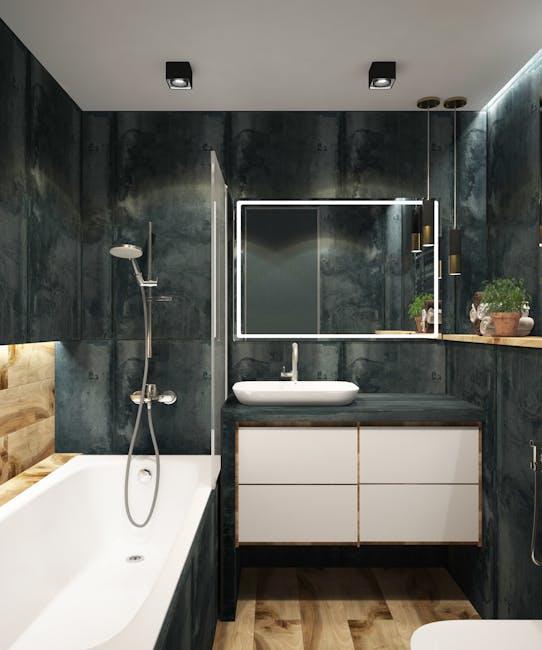
To seamlessly merge indoor and outdoor spaces in luxury homes, the strategic placement of lighting plays a pivotal role. By thoughtfully integrating lighting elements, one can craft an inviting atmosphere that effortlessly extends the living space beyond its traditional boundaries. Layered lighting is a key concept here, where a combination of ambient, task, and accent lighting is used to create depth and dimension. Consider the use of soft, warm lights to enhance the cozy feel of an outdoor seating area, making it as welcoming as any indoor lounge.
- Pathway lighting: Guides guests naturally from one space to another while adding a touch of elegance.
- Wall sconces and lanterns: Offer both functionality and style, casting a gentle glow that complements architectural features.
- String lights or fairy lights: Introduce a whimsical element, ideal for a relaxed, intimate ambiance.
- Spotlights on landscape features: Highlight garden art or water features, drawing the eye and creating focal points.
By aligning these lighting strategies with the home’s architectural style and personal aesthetic, homeowners can create a fluid transition that enhances both the functionality and the beauty of their living spaces.