
In today’s fast-paced and ever-evolving global landscape, ensuring your child’s success has become more challenging yet more crucial than ever before. As parents and guardians, we find ourselves navigating a world where competition is fierce, and the skills required for future success are constantly shifting. This article delves into the strategies and insights necessary to equip your child with the tools they need to thrive in this competitive environment. By examining key areas such as emotional intelligence, adaptability, and lifelong learning, we will uncover actionable steps that can empower your child to not only meet but exceed the demands of the modern world. With a confident approach grounded in analytical thinking, we aim to guide you in fostering an environment where your child can develop resilience, harness their unique talents, and ultimately carve out their own path to success.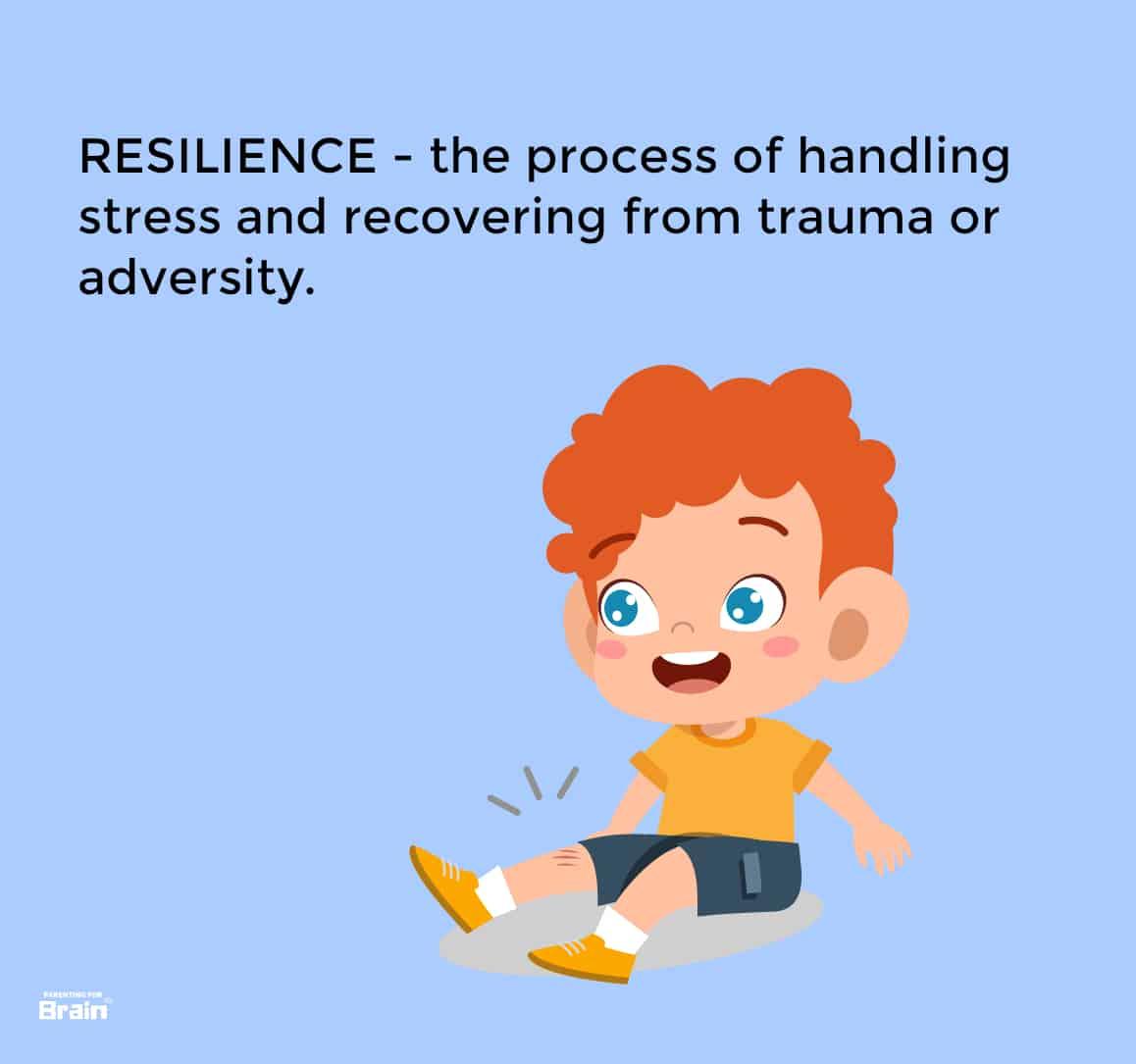
Fostering Resilience and Adaptability in Your Child
In today’s rapidly changing world, equipping your child with resilience and adaptability is crucial for their success. These traits enable children to navigate challenges and seize opportunities with confidence. To nurture these qualities, consider integrating the following strategies into your parenting approach:
- Encourage Problem-Solving: Allow your child to tackle age-appropriate challenges independently. Offer guidance when necessary, but let them brainstorm and explore solutions on their own.
- Promote a Growth Mindset: Teach your child that skills and intelligence can be developed through effort and perseverance. Praise their hard work and dedication rather than focusing solely on outcomes.
- Model Adaptability: Demonstrate flexibility in your own life. Share experiences where you have adjusted to new situations or overcome obstacles, highlighting the positive outcomes of being adaptable.
- Foster Emotional Intelligence: Help your child recognize and manage their emotions. Encourage them to express their feelings and empathize with others, building a strong foundation for interpersonal relationships.
By actively cultivating these skills, you empower your child to face the competitive world with a resilient spirit and the adaptability needed to thrive in diverse environments.

Nurturing Critical Thinking and Problem-Solving Skills
In today’s fast-paced and ever-changing world, developing the ability to think critically and solve problems effectively is crucial for your child’s success. Encouraging these skills involves creating an environment where questioning and exploration are celebrated. Foster curiosity by engaging your child in discussions that challenge their assumptions and encourage them to consider multiple perspectives. Ask open-ended questions like, ”What do you think would happen if…?” or “How might we approach this differently?” to stimulate deeper thinking.
- Encourage curiosity: Provide opportunities for your child to explore new ideas and interests.
- Promote analytical thinking: Introduce puzzles and games that require strategic thinking and planning.
- Model problem-solving: Share your thought processes when tackling everyday challenges.
- Create a safe space for mistakes: Emphasize learning from errors as a pathway to growth.

Encouraging Effective Communication and Collaboration
In today’s fast-paced and interconnected world, fostering effective communication and collaboration skills in your child is crucial for their success. Encourage open dialogue at home by actively listening and responding to their thoughts and ideas. This not only builds confidence but also teaches them the importance of empathy and understanding different perspectives. Incorporate activities that require teamwork and cooperation, such as group projects or family games, to reinforce these skills in a fun and engaging manner.
- Model Positive Communication: Demonstrate how to articulate thoughts clearly and respectfully.
- Encourage Group Activities: Involve your child in clubs or sports teams to practice collaboration.
- Use Technology Wisely: Leverage tools like video calls or collaborative platforms to teach digital communication.
- Reflect and Provide Feedback: Discuss what went well and areas for improvement after collaborative efforts.
By embedding these practices into your daily routine, you equip your child with essential tools to navigate and thrive in a competitive environment.
Building a Strong Foundation of Emotional Intelligence
In today’s rapidly evolving world, fostering emotional intelligence in children is paramount for their success and well-being. Emotional intelligence equips children with the ability to understand and manage their emotions, which is crucial for navigating social complexities and building resilience. Here are some strategies to nurture this vital skill:
- Model Empathy: Children learn by observing adults. Demonstrate empathy in everyday interactions to show them how to recognize and respect others’ feelings.
- Encourage Emotional Expression: Create a safe environment where your child feels comfortable expressing their emotions. Use language that helps them articulate their feelings clearly.
- Teach Problem-Solving Skills: Guide your child through problem-solving processes, emphasizing the importance of considering others’ perspectives and finding collaborative solutions.
- Practice Active Listening: Show genuine interest in your child’s thoughts and feelings. Active listening validates their experiences and fosters a sense of security.
By embedding these practices into daily routines, you lay the groundwork for your child to thrive emotionally and socially, giving them a competitive edge in an increasingly interconnected world.