
In today’s interconnected world, preparing children for success requires more than traditional education and skill sets. As globalization continues to blur geographical boundaries, the competencies needed to thrive have evolved, demanding a more nuanced approach to upbringing and education. This article delves into the essential strategies for setting your child up for success in a globalized world, where cultural literacy, adaptability, and technological fluency are as crucial as academic prowess. By analyzing current educational trends and societal shifts, we provide a roadmap for parents and educators to equip the next generation with the tools they need to navigate and excel in an increasingly complex and interconnected global landscape.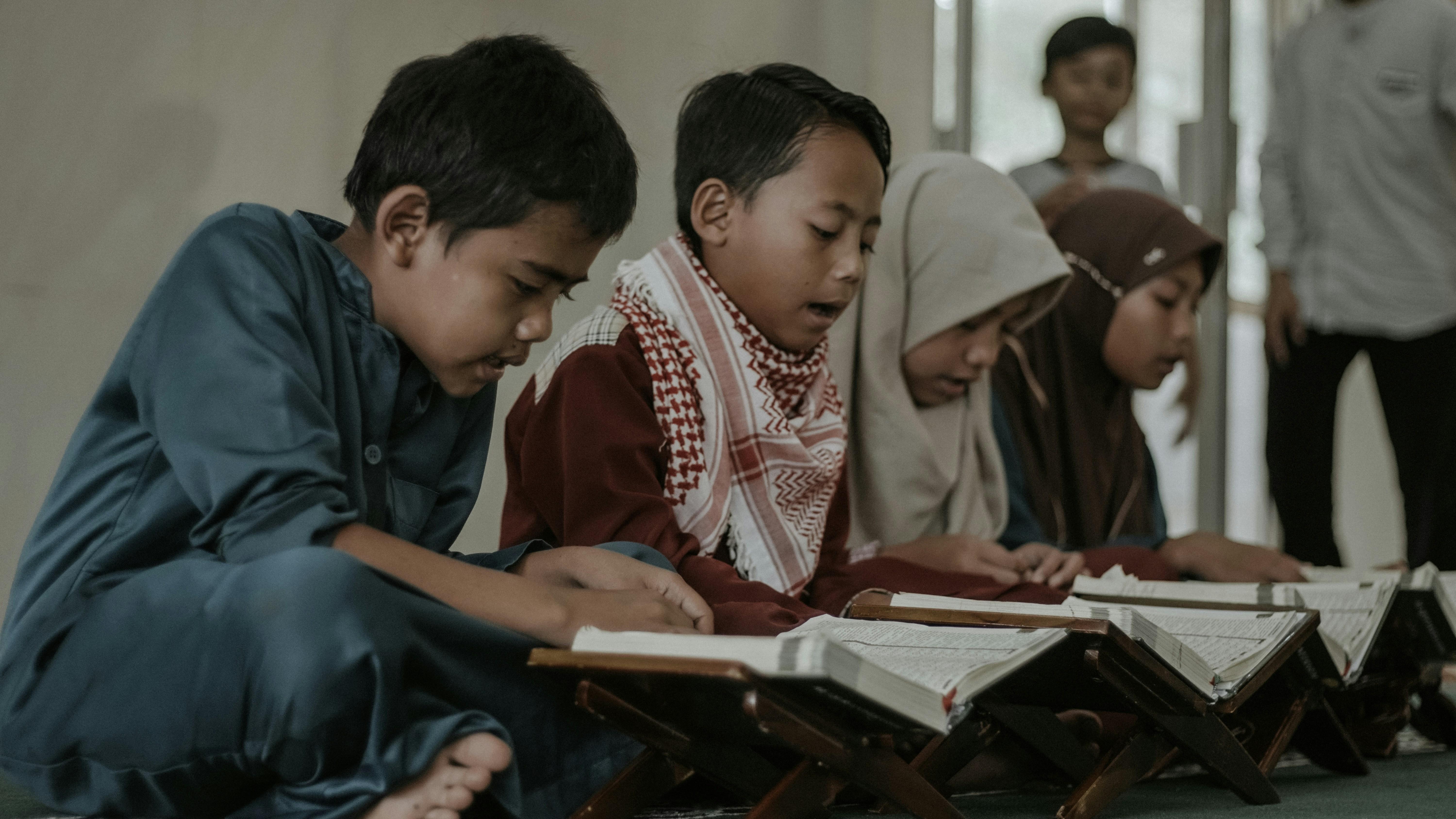
Understanding Global Competencies for Future Success
In today’s interconnected world, equipping your child with global competencies is essential for their future success. These skills go beyond traditional academic knowledge, encompassing a broader understanding of diverse cultures, languages, and global issues. By fostering these abilities, you prepare your child to navigate the complexities of a globalized society, enhancing their adaptability and problem-solving skills.
- Cultural Awareness: Encouraging curiosity about different cultures helps children appreciate diversity and fosters empathy.
- Language Skills: Learning new languages not only improves communication abilities but also provides a deeper understanding of different perspectives.
- Critical Thinking: Engaging with global challenges encourages children to think critically and develop innovative solutions.
- Digital Literacy: Proficiency in digital tools and platforms is crucial for effective communication and collaboration across borders.
By integrating these competencies into your child’s education, you set them on a path to becoming informed and proactive global citizens, ready to seize opportunities and tackle challenges in an ever-changing world.
Cultivating Multilingual Skills and Cultural Awareness
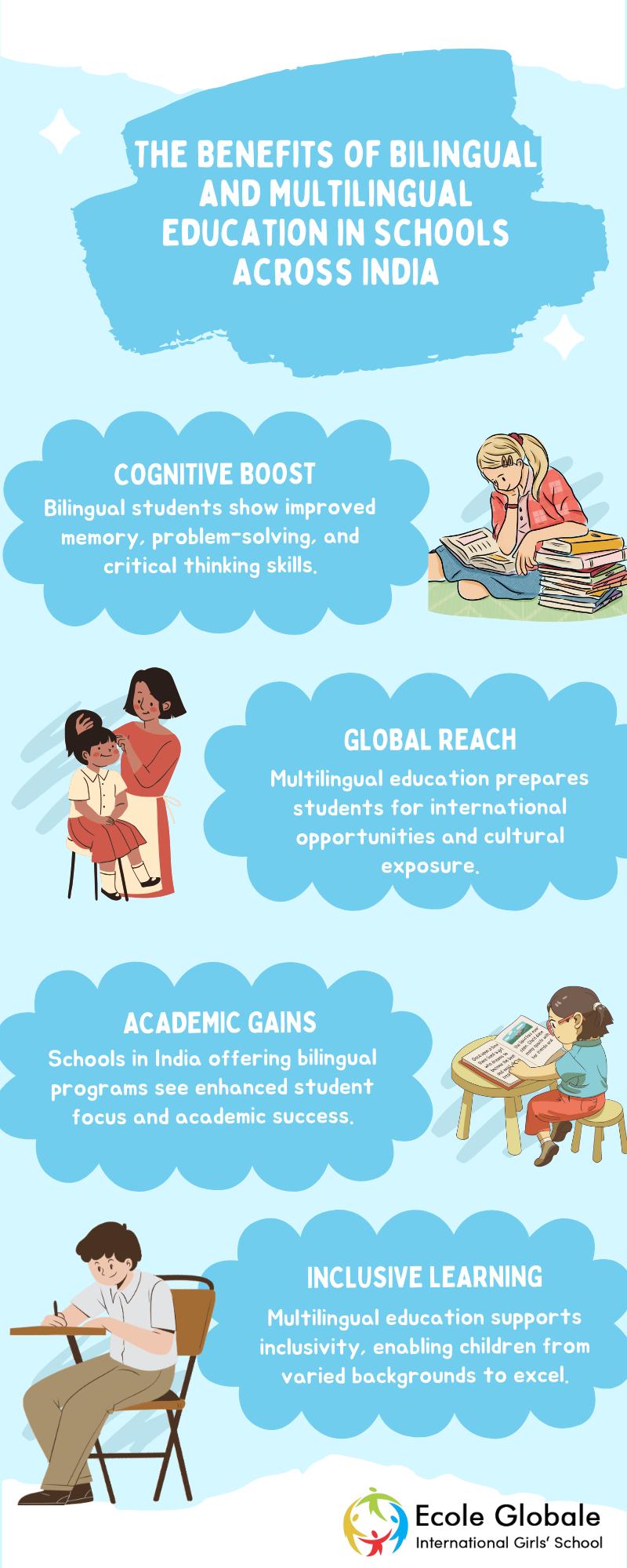
In today’s interconnected world, the ability to speak multiple languages is not just a skill but a significant advantage. Multilingualism fosters cognitive development and enhances problem-solving skills, providing children with a competitive edge in their personal and professional lives. Learning a new language opens doors to diverse cultures and traditions, encouraging empathy and global awareness. By embracing different languages, children can better understand and appreciate the rich tapestry of our world, becoming more adaptable and open-minded individuals.
- Cognitive Benefits: Studies show that multilingual children have improved memory, concentration, and the ability to multitask.
- Cultural Appreciation: Exposure to different languages broadens a child’s perspective, fostering respect and understanding of global cultures.
- Future Opportunities: Mastery of multiple languages can significantly enhance career prospects in an increasingly global job market.
Parents and educators play a pivotal role in nurturing these skills. By incorporating language learning into daily routines and encouraging cultural exploration through books, music, and food, they can inspire curiosity and a lifelong passion for learning. As children grow more confident in their linguistic abilities, they not only become more adept communicators but also more engaged global citizens.

Leveraging Technology for Global Connectivity
In today’s interconnected world, harnessing technology is pivotal in preparing children for future success. By utilizing digital tools and platforms, young learners can cultivate essential skills that transcend geographical boundaries. Digital literacy is no longer a luxury but a necessity, empowering children to engage with diverse cultures and ideas. Encouraging them to participate in online forums, collaborative projects, and virtual classrooms enhances their ability to communicate effectively across different cultural contexts.
Parents and educators can facilitate this process by providing access to a variety of technological resources. Here are some strategies to consider:
- Introduce children to language learning apps to foster multilingual capabilities.
- Encourage participation in international online competitions to build a competitive edge.
- Support the use of educational platforms that offer global perspectives.
- Incorporate virtual reality experiences to expose them to different cultures and environments.
By embedding these technologies into their daily routines, children not only gain technical proficiency but also develop a global mindset, positioning them for success in an increasingly globalized landscape.
Encouraging Critical Thinking and Problem-Solving Abilities
In a rapidly evolving global landscape, nurturing your child’s ability to think critically and solve problems is paramount. These skills are not just academic assets but essential life tools. To cultivate these abilities, encourage curiosity by asking open-ended questions that prompt deeper thinking. Foster an environment where questioning is not just allowed but celebrated, as this will help your child develop a natural inclination to analyze and evaluate information.
- Engage in Thought-Provoking Discussions: Regularly discuss current events, ethical dilemmas, or hypothetical scenarios to stimulate analytical thinking.
- Incorporate Problem-Solving Activities: Introduce puzzles, strategy games, or real-world challenges that require innovative solutions.
- Encourage Independent Research: Support your child in exploring topics of interest, guiding them in finding credible sources and forming their own conclusions.
By embedding these practices into daily life, you empower your child to navigate and excel in a globalized world, equipped with the confidence and competence to tackle complex challenges.