
In today’s fast-paced world, creating a safe and healthy home environment is more crucial than ever. As we increasingly seek refuge within our homes, it becomes imperative to ensure that these spaces are not only comfortable but also conducive to our well-being. This article delves into the essential elements that contribute to a safe and healthy living environment, providing a comprehensive analysis of the strategies and practices that can transform any household into a sanctuary of health and safety. By examining the latest research and expert recommendations, we aim to equip you with the knowledge and confidence to make informed decisions that enhance the quality of life for you and your loved ones. From improving air quality to ensuring structural safety, each aspect is explored with precision and clarity, offering practical solutions that are both effective and sustainable.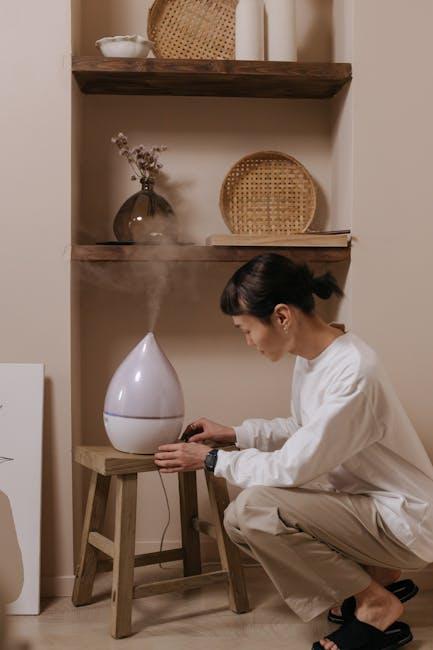
Understanding Indoor Air Quality and Its Impact on Health
Indoor air quality is a critical component of a healthy home environment, influencing both physical health and overall well-being. Pollutants such as volatile organic compounds (VOCs), mold, and dust mites can compromise the air we breathe, leading to a range of health issues from minor irritations to severe respiratory conditions. Recognizing these invisible threats is the first step towards mitigating their impact. Regular ventilation, using air purifiers, and incorporating indoor plants are effective strategies to enhance air quality. Additionally, being mindful of household products and choosing those with fewer chemicals can significantly reduce indoor pollution levels.
- Ventilation: Ensure proper airflow by opening windows and using exhaust fans to disperse pollutants.
- Air Purifiers: Select models with HEPA filters to trap fine particles and allergens.
- Household Products: Opt for eco-friendly cleaning supplies to minimize the release of harmful chemicals.
- Humidity Control: Maintain indoor humidity levels between 30-50% to prevent mold growth.
- Indoor Plants: Integrate plants like snake plants or spider plants to naturally filter air.
By proactively addressing these factors, homeowners can create a safer living space that supports long-term health and comfort. Emphasizing prevention and regular maintenance ensures that indoor environments remain conducive to well-being, ultimately fostering a healthier lifestyle.

Optimizing Lighting for Wellness and Productivity
Harnessing the power of light is a pivotal strategy for enhancing both wellness and productivity within your home. The quality and type of lighting you choose can significantly impact your mood, focus, and overall health. Natural light is an essential component, as it regulates the body’s circadian rhythms, thereby influencing sleep patterns and energy levels. If your home lacks sufficient natural light, consider using full-spectrum light bulbs that mimic daylight, which can help maintain a balanced internal clock and boost your mood.
- Task Lighting: Install focused lighting solutions in workspaces to reduce eye strain and increase concentration. Desk lamps with adjustable brightness are ideal.
- Ambient Lighting: Use dimmable overhead lights to create a calming atmosphere during evening hours, supporting relaxation and sleep readiness.
- Accent Lighting: Integrate accent lights to highlight specific areas, such as reading nooks or art displays, enhancing the aesthetic appeal while providing functional light.
Incorporating these lighting strategies not only enhances visual comfort but also fosters an environment conducive to mental clarity and physical health. A well-lit home can be a sanctuary that supports daily tasks while nurturing well-being.

Implementing Safe Cleaning Practices and Reducing Toxins
Creating a safe and healthy home environment starts with being mindful of the cleaning products we use. Many conventional cleaners contain chemicals that can be harmful to both health and the environment. To minimize exposure to these toxins, consider adopting eco-friendly cleaning solutions. Natural alternatives such as vinegar, baking soda, and lemon juice not only reduce toxins but are also effective in maintaining cleanliness. Additionally, look for cleaning products labeled as non-toxic or biodegradable, which often contain plant-based ingredients.
Implementing safe cleaning practices also involves proper ventilation and usage techniques. Ensure that you:
- Open windows to increase airflow when cleaning.
- Wear gloves and masks if handling strong substances.
- Store chemicals safely out of reach of children and pets.
- Use microfiber cloths to reduce the need for chemical cleaners.
By making these thoughtful choices, you can significantly reduce the presence of harmful substances in your home, promoting a healthier living space for your family.

Designing Spaces for Mental and Physical Well-being
In the quest for a home that nurtures both mind and body, the integration of thoughtful design elements is essential. Start by considering the layout and flow of your space. An open-plan design can promote interaction and social connection, while dedicated quiet zones offer a retreat for reflection and relaxation. Prioritize natural light by using sheer curtains and strategically placing mirrors to amplify sunlight, as exposure to natural light has been linked to improved mood and productivity.
- Color Psychology: Choose calming hues like blues and greens for walls and furnishings to evoke a sense of tranquility.
- Biophilic Elements: Incorporate plants and natural materials such as wood and stone to foster a connection with nature.
- Ergonomic Furniture: Select seating and workspaces that support posture and reduce physical strain.
- Air Quality: Utilize air purifiers and maintain good ventilation to ensure a healthy indoor environment.
- Mindful Decor: Display artwork and objects that inspire positivity and reflect personal values.