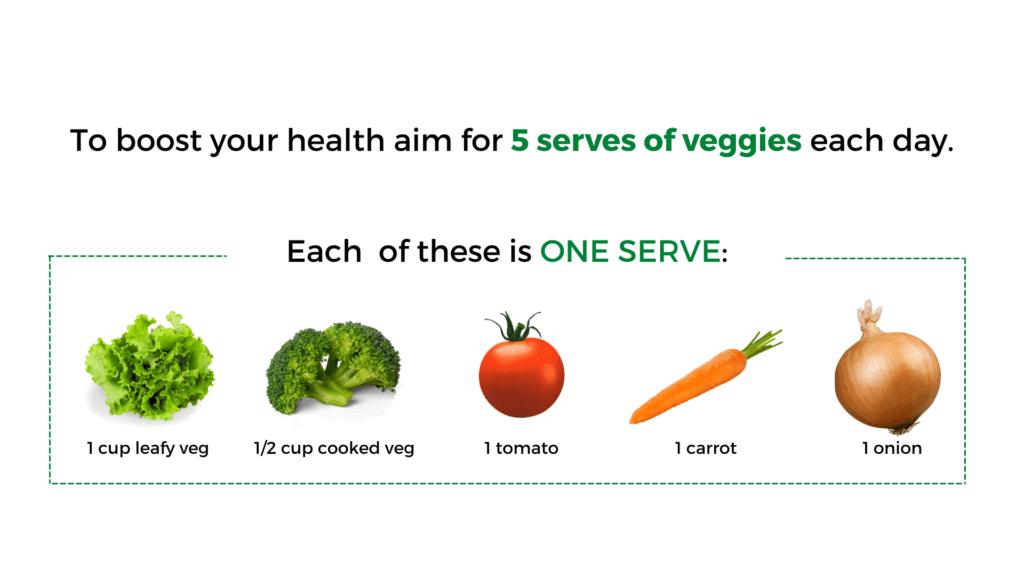
In an era where wellness trends and health fads dominate social media feeds and dinner table conversations, the pursuit of optimal health often veers into obsession. While the intention behind these trends is typically rooted in a desire to improve well-being, the excessive focus on constantly evolving health fads can paradoxically undermine family wellness. This article delves into the implications of prioritizing transient health crazes over evidence-based practices and balanced lifestyles. By scrutinizing the psychological, social, and financial impacts of this phenomenon, we aim to provide a comprehensive understanding of how an overemphasis on the latest health trends can disrupt familial harmony and compromise long-term health objectives. With a confident lens on current research and expert opinions, this analysis seeks to empower families to navigate the wellness landscape with discernment and prioritize sustainable, holistic health strategies.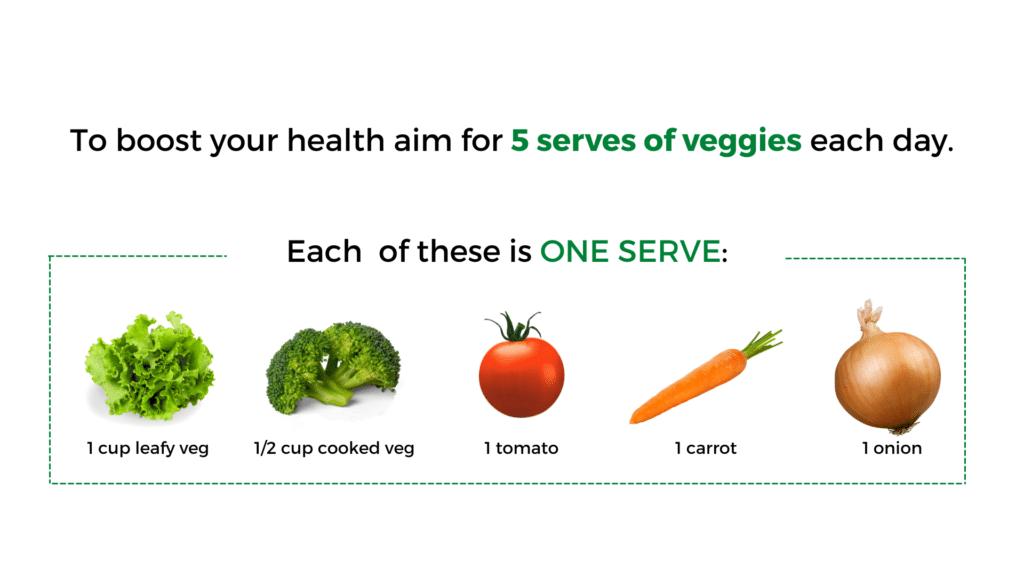
Impact of Health Fads on Family Dynamics
In recent years, the obsession with health fads has become a prevalent force, influencing not only individual lifestyles but also the dynamics within families. The pressure to adhere to the latest dietary trends and exercise regimes can lead to tension and division among family members. Often, one or more members may become engrossed in a particular health trend, such as intermittent fasting or plant-based diets, while others remain skeptical or uninterested. This disparity can create an environment where meals, traditionally a time for bonding, become a source of conflict. Instead of fostering unity, mealtime discussions can turn into debates over the legitimacy and benefits of various health practices.
The ripple effects of health fads extend beyond the dinner table. Family activities may also shift to align with the latest wellness trends, potentially excluding members who do not share the same enthusiasm. Shared experiences like family movie nights might be replaced by individual pursuits such as yoga sessions or meditation practices that cater to personal health goals rather than collective enjoyment. This shift can erode the sense of togetherness that families traditionally nurture. To maintain harmony, it is essential to strike a balance where health consciousness does not overshadow the importance of family unity and shared experiences.

Analyzing the Psychological Toll of Constant Health Trend Changes
As the landscape of health trends evolves with increasing frequency, families often find themselves grappling with the psychological burden of keeping up with the latest fads. The allure of quick fixes and novel solutions can be tempting, but the relentless cycle of adopting and discarding trends can lead to more harm than good. This constant shift not only drains mental resources but also fosters a sense of instability and inadequacy within the family unit. The psychological strain is compounded by the pressure to adhere to these trends, often fueled by social media and celebrity endorsements, which can lead to anxiety and stress over achieving perceived perfection in health and wellness.
Families are particularly vulnerable to these pressures as they strive to provide a healthy environment. Yet, the ever-changing nature of health trends can lead to confusion and frustration, making it difficult to establish consistent routines. Key impacts include:
- Increased Stress: The need to constantly adapt to new information can be overwhelming, leading to heightened stress levels.
- Financial Burden: The costs associated with chasing the latest health products and services can strain family budgets.
- Erosion of Trust: Frequent changes can erode trust in health advice, causing skepticism and reluctance to follow genuine health recommendations.
Ultimately, the psychological toll of this incessant cycle can overshadow the original intent of promoting family wellness, suggesting a need for a more balanced and informed approach to health and well-being.

Nutritional Myths and Their Consequences on Family Well-being
In the pursuit of optimal health, families often find themselves bombarded with a plethora of nutritional myths, each promising a shortcut to wellness. These myths, frequently propagated by sensationalist media and unqualified influencers, can lead to misguided dietary choices that ultimately harm family well-being. One prevalent myth is the demonization of all carbohydrates, leading families to adopt low-carb diets without considering the body’s need for balanced nutrition. Carbohydrates are a crucial energy source, especially for growing children and active adults, and eliminating them entirely can result in fatigue, mood swings, and impaired cognitive function.
Another myth that has taken root is the idea that all fats are bad. Families might cut out essential fats in a bid to maintain heart health, not realizing that this could be detrimental in the long run. Healthy fats, such as those found in avocados, nuts, and olive oil, are vital for brain health and hormone production. By subscribing to these myths, families might inadvertently deprive themselves of essential nutrients, leading to deficiencies and a compromised immune system. Instead of following fleeting trends, it is crucial to focus on a balanced diet, rich in diverse food groups, to support holistic family health. Embracing a well-rounded nutritional approach, rather than chasing after the latest fad, ensures that every family member receives the sustenance they need to thrive.

Strategies for Building a Balanced Approach to Family Health
Consider these strategies for fostering a balanced approach:
- Encourage Mindful Eating: Prioritize whole foods and home-cooked meals over restrictive diets.
- Promote Regular Physical Activity: Integrate fun and diverse exercises into your family routine to keep everyone engaged.
- Foster Open Communication: Discuss health choices together, encouraging informed decisions and mutual support.
- Set Realistic Goals: Establish achievable health objectives that motivate rather than overwhelm.
By focusing on these core principles, families can cultivate a nurturing environment where health is a shared journey, not a fleeting trend.