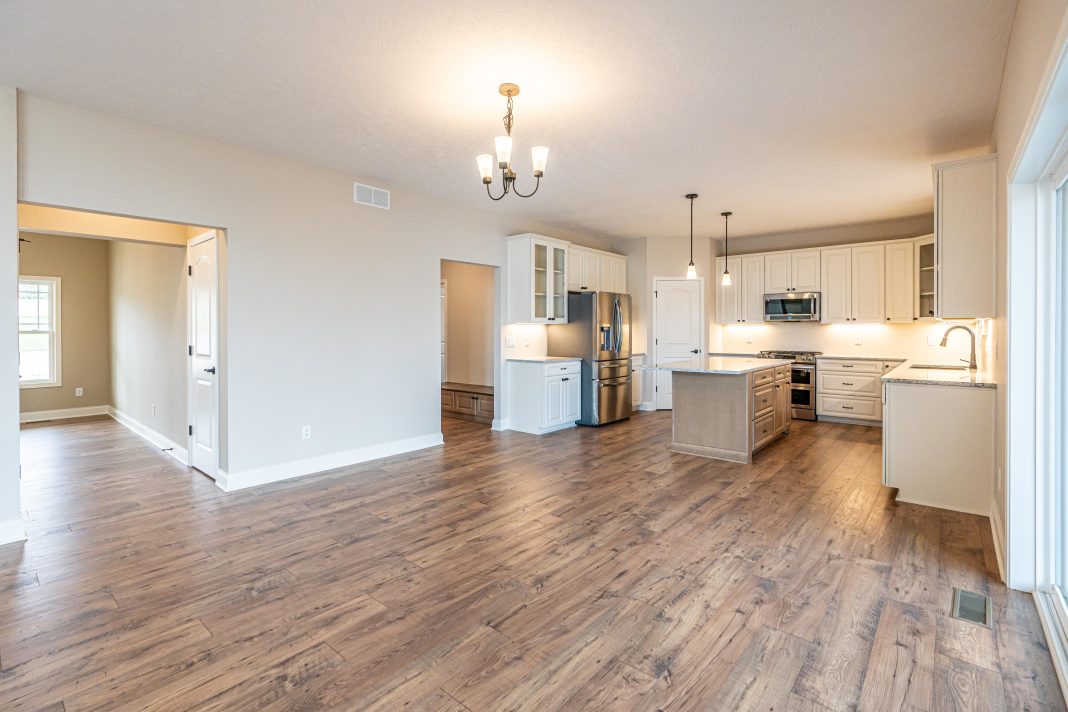
In the realm of modern kitchen design, the walk-in pantry has emerged as a quintessential feature, embodying both practicality and luxury. As culinary pursuits become increasingly sophisticated, the demand for efficient, tailored storage solutions has grown exponentially. Designing a custom walk-in pantry is not merely about maximizing space; it is an exercise in optimizing functionality while enhancing the aesthetic appeal of your kitchen. This analytical exploration delves into the critical elements of creating the ultimate pantry, from spatial configuration and material selection to innovative organizational systems. With a confident approach, we will guide you through the essential steps to transform your pantry into a harmonious blend of utility and style, ensuring it meets the demands of contemporary living while reflecting your personal taste.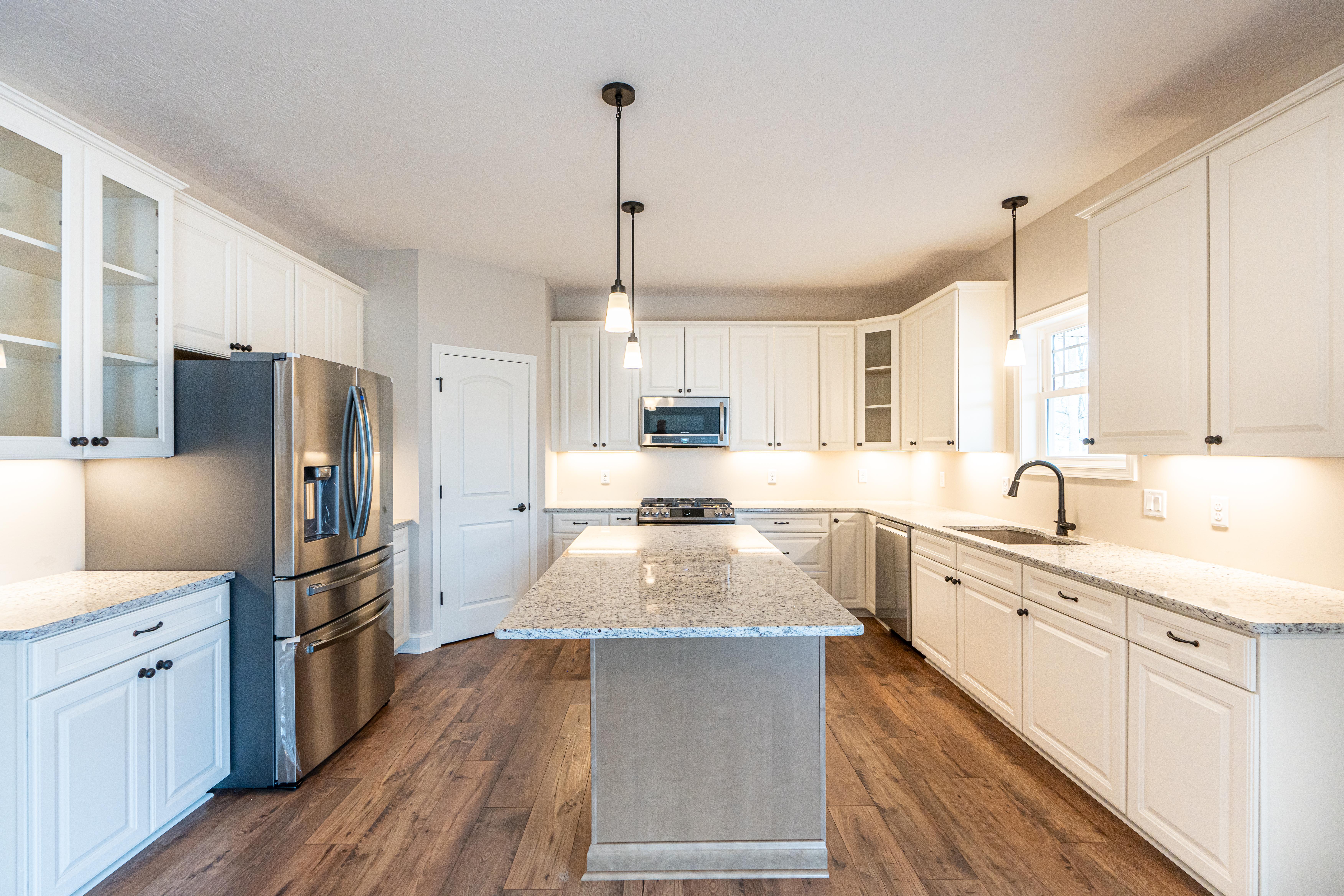
Maximizing Space Efficiency and Accessibility
In the quest for a well-organized kitchen, a custom walk-in pantry emerges as a pivotal element, blending both space efficiency and accessibility. When planning your pantry, consider a layout that optimizes vertical and horizontal spaces. Install adjustable shelving units to accommodate items of varying sizes, from towering cereal boxes to petite spice jars. Lazy Susans and pull-out baskets are indispensable for corners and lower shelves, ensuring that every item is within easy reach and nothing gets lost in the depths. Employ clear containers and labels for a transparent inventory, allowing you to quickly assess what needs restocking.
Moreover, accessibility is paramount for a functional pantry. Incorporate a sliding ladder for high shelves, and design wide, open pathways for easy maneuvering, even when your hands are full. Consider integrating smart lighting solutions, such as motion-activated LED strips, to illuminate your path and highlight the contents of your pantry. This not only enhances visibility but also adds a modern touch to your kitchen. With these strategies, your walk-in pantry will not only serve as a storage haven but also as a seamlessly integrated extension of your culinary workspace.
Choosing the Right Materials and Finishes
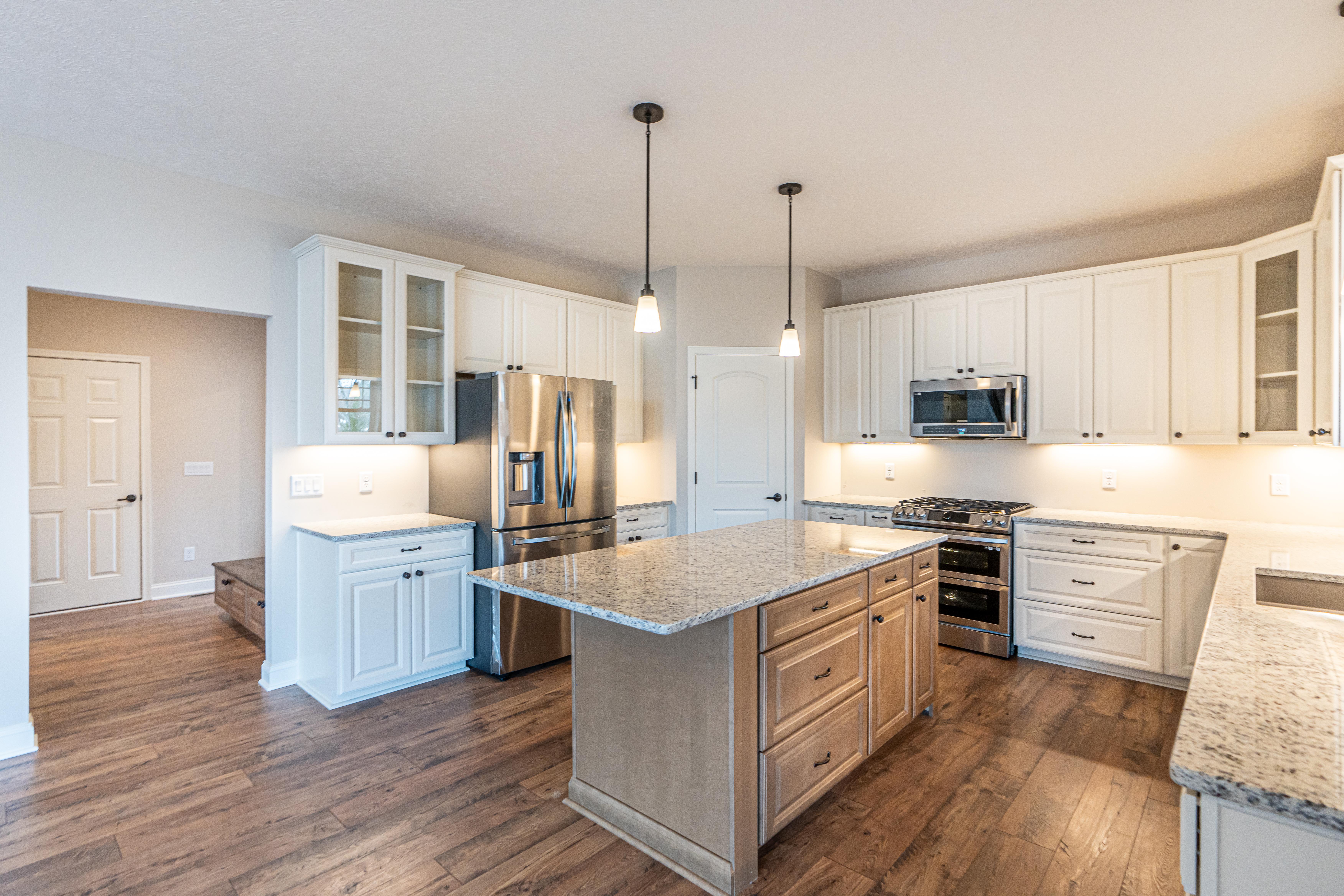
When designing a custom walk-in pantry, the selection of materials and finishes is pivotal to achieving both functionality and aesthetic appeal. Durability should be your primary consideration, given the pantry’s role as a high-traffic area. Opt for hardwood or engineered wood for shelving, as these materials provide robust support for heavy items and resist warping over time. For a modern touch, consider using metal or glass accents, which not only add a sleek appearance but also enhance the pantry’s resilience against daily wear and tear.
- Wood Finishes: Choose between a natural stain for a rustic look or a high-gloss lacquer for a contemporary feel.
- Metal Accents: Incorporate brushed nickel or matte black hardware to align with your kitchen’s overall theme.
- Glass Elements: Frosted or clear glass can be used for cabinet doors, offering a chic, airy vibe while keeping contents visible.
Incorporating the right finishes can transform your pantry from a mere storage space into a stylish extension of your kitchen. Consider paint colors that reflect light to make the space feel larger and more inviting. By carefully selecting materials and finishes, your custom walk-in pantry will not only meet practical needs but also elevate the entire kitchen experience.
Incorporating Smart Storage Solutions
Maximizing the utility of your walk-in pantry hinges on integrating smart storage solutions that cater to your culinary lifestyle. Begin by assessing your storage needs and opting for adjustable shelving systems. Customizable shelves allow you to adapt the space for various-sized items, ensuring no inch is wasted. Consider the use of pull-out baskets and tiered racks to keep essentials within easy reach while maintaining a clutter-free environment. Vertical space should not be overlooked; installing hanging hooks or overhead racks can provide additional storage for less frequently used items.
- Clear Containers: Use transparent containers to easily identify contents and monitor inventory levels.
- Labeling Systems: Employ a clear labeling system to categorize items, enhancing both organization and accessibility.
- Lazy Susans: Incorporate these rotating trays for a convenient solution to access items stored in the back of shelves.
For a truly bespoke pantry experience, consider tech-integrated solutions such as app-controlled lighting and inventory management systems. These innovations can transform your pantry into a modern culinary command center, streamlining meal prep and grocery shopping. The key to a successful design is balancing aesthetics with functionality, ensuring your pantry not only meets your storage needs but also enhances your overall kitchen experience.
Lighting and Aesthetic Considerations for a Functional Design
When designing a custom walk-in pantry, the interplay between lighting and aesthetics is crucial to create a space that is both functional and visually appealing. Lighting serves as more than just a practical necessity; it can highlight the pantry’s design features and make food items easily accessible. Consider integrating a mix of ambient, task, and accent lighting. Ambient lighting provides overall illumination, while task lighting focuses on specific areas like shelving and countertops. Accent lighting can be used to highlight decorative elements or specific sections, such as wine racks or specialty storage units.
- Ambient Lighting: Install overhead LED fixtures or recessed lighting to ensure uniform brightness.
- Task Lighting: Under-shelf LED strips or puck lights can make it easier to find items stored in deeper shelves.
- Accent Lighting: Use spotlights or directional lights to draw attention to unique architectural features or display shelves.
From an aesthetic standpoint, the materials and colors you choose for the pantry can significantly impact its overall look. Opt for light-reflective surfaces such as glass or polished metals to enhance the effect of your lighting choices. Incorporate a color palette that complements the kitchen while considering textures that add depth and interest. The harmonious blend of light and aesthetics can transform your pantry into an extension of your kitchen’s design narrative, making it a delightful space to organize and store your essentials.