
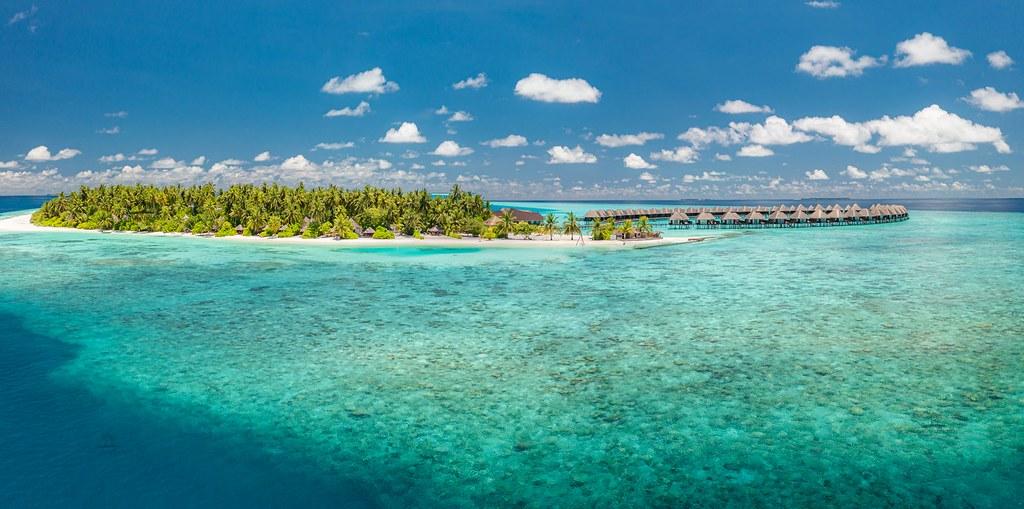
In recent years, luxury travel has emerged as a symbol of status and exclusivity, catering to a select segment of society that can afford its lavish offerings. This trend, while fueling the growth of a multi-billion-dollar industry, has also accentuated the divide between social classes. As affluent travelers indulge in bespoke experiences—from private island getaways to personalized culinary tours—the disparities in access to travel opportunities become increasingly pronounced. This article delves into the implications of luxury travel on societal stratification, examining how this burgeoning sector not only reflects but also perpetuates economic inequality. Through a critical analysis of industry practices and consumer behavior, we explore the broader social repercussions of a world where travel is increasingly a privilege of the few, rather than a universal right.
Impact of Luxury Travel on Economic Disparities
Luxury travel, often seen as the epitome of opulence, has far-reaching implications beyond the lavish experiences it promises. This exclusive segment of the travel industry significantly amplifies economic disparities, channeling vast resources into already affluent areas and leaving underprivileged regions in the shadows. While affluent travelers enjoy bespoke experiences, private jets, and five-star accommodations, local economies often see minimal benefits. In many cases, the profits generated by luxury tourism are concentrated in the hands of a few elite stakeholders, rather than being distributed to the local communities who host these high-end experiences.
- Limited Local Economic Benefits: Many luxury resorts and travel services are owned by international corporations, meaning profits are often expatriated rather than reinvested locally.
- Inflated Local Prices: The influx of wealthy tourists can lead to increased costs of goods and services in local markets, making them unaffordable for residents.
- Unequal Employment Opportunities: Jobs created by luxury travel tend to be low-wage and seasonal, offering little in terms of long-term economic stability for local workers.
Such dynamics contribute to a widening economic chasm, where the benefits of global tourism are unevenly distributed, perpetuating cycles of wealth concentration and poverty. Addressing these issues requires a thoughtful approach that considers equitable development and sustainable practices within the luxury travel sector.
Social Implications of Exclusive Travel Experiences
The allure of exclusive travel experiences often lies in their ability to provide an unparalleled level of comfort, privacy, and personalization. However, this sector of luxury travel is not without its social consequences. One of the most significant implications is the widening gap between social classes, as these high-end experiences are accessible only to a select few. This exclusivity not only reinforces economic disparities but also cultivates a sense of elitism and detachment from broader societal issues.
- Economic Disparity: The lavish spending associated with luxury travel underscores the vast financial divide between those who can afford such experiences and those who cannot.
- Cultural Isolation: By engaging in travel that often prioritizes seclusion, affluent travelers may miss opportunities for authentic cultural exchanges, further distancing themselves from the realities faced by local communities.
- Environmental Impact: Exclusive travel often involves private jets and yachts, contributing disproportionately to environmental degradation, an issue that disproportionately affects lower-income populations.
As these experiences become more extravagant, they inevitably shape perceptions of what is considered desirable and aspirational, often leaving those without the means feeling marginalized. The challenge lies in creating a travel industry that embraces inclusivity, offering enriching experiences that are accessible to a broader audience without compromising on sustainability or cultural integrity.

Bridging the Class Divide through Inclusive Tourism Strategies
In recent years, the luxury travel industry has expanded significantly, offering exclusive experiences that cater to the affluent. However, this expansion often highlights a stark divide between the wealthy and those with limited means. Inclusive tourism strategies can serve as a vital tool in addressing this gap, ensuring that travel is not just a privilege for the few but an opportunity for all. By creating travel experiences that are accessible and affordable, tourism can foster a more equitable society.
- Community-Based Tourism: Encouraging travelers to engage with local communities and participate in cultural exchanges not only supports local economies but also provides authentic experiences that are both enriching and affordable.
- Tiered Pricing Models: Implementing pricing strategies that consider different income levels can make luxury experiences accessible to a broader audience, thereby democratizing travel.
- Educational Travel Programs: Developing travel packages that focus on learning and skill-building can bridge the gap by offering value beyond leisure, making travel an investment in personal growth.
These strategies not only enhance cultural understanding and economic benefits for host communities but also promote a more balanced and inclusive global travel industry.

Policy Recommendations for Equitable Travel Opportunities
To bridge the divide between social classes in travel experiences, it is imperative to implement policies that promote accessibility and inclusivity. Subsidizing public transportation for low-income individuals can ensure that everyone has the opportunity to explore new places without financial strain. Additionally, expanding affordable travel programs through partnerships with airlines and hotels can democratize luxury travel experiences, making them more attainable for a broader audience.
Governments and industry leaders should also focus on developing community-based tourism initiatives that empower local populations while offering unique cultural experiences. This not only supports local economies but also enriches travelers’ experiences. Implementing educational programs about sustainable and responsible travel can foster a more equitable travel landscape by encouraging travelers to support businesses and destinations that prioritize social equity. By adopting these strategies, we can create a travel ecosystem that benefits all societal layers.