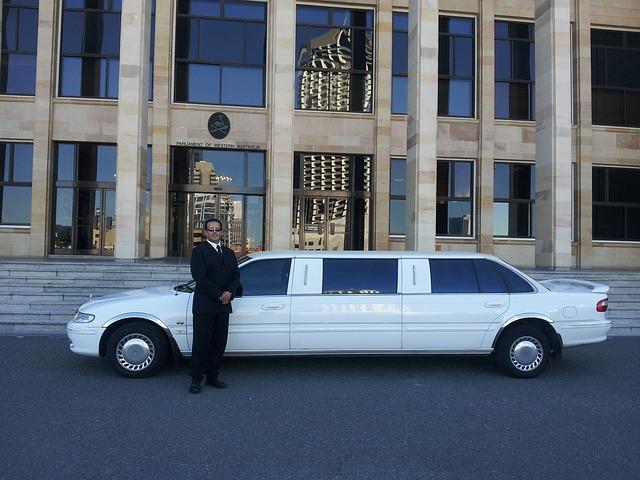
In recent years, the prevalence of full-time chauffeurs in affluent households has sparked a nuanced debate about the implications of convenience on lifestyle and behavior. While the luxury of having a personal driver is often perceived as a symbol of success and efficiency, there is a growing concern that this amenity may inadvertently foster a culture of complacency and dependency within these families. This article delves into the paradox of convenience, exploring how the reliance on chauffeurs might contribute to a decline in self-sufficiency and physical activity, particularly among younger family members. By examining the socio-economic dynamics at play, we aim to shed light on how the comforts of wealth can sometimes undermine personal growth and responsibility, ultimately promoting a subtle form of laziness that may have broader implications for individual development and societal norms.
Impact on Physical Activity and Health in Wealthy Households
- Decrease in Daily Steps: With chauffeurs readily available, family members may find themselves opting for door-to-door service rather than engaging in simple physical activities like walking or cycling. This decrease in daily steps can lead to a sedentary lifestyle, which is a known risk factor for numerous health issues.
- Health Implications: The convenience of having a full-time driver can inadvertently promote habits that contribute to weight gain and reduced cardiovascular fitness. Without the necessity to engage in even minimal physical exertion, individuals may experience an increase in body mass index (BMI), potentially leading to obesity-related conditions such as diabetes and hypertension.
Furthermore, the reliance on chauffeurs can extend beyond the immediate family, influencing younger members as well. Children and teenagers growing up in these environments may develop a skewed perception of physical activity as unnecessary or burdensome, setting a precedent for future lifestyle choices. This phenomenon can perpetuate a cycle of inactivity, affecting not only personal health but also broader societal health trends.
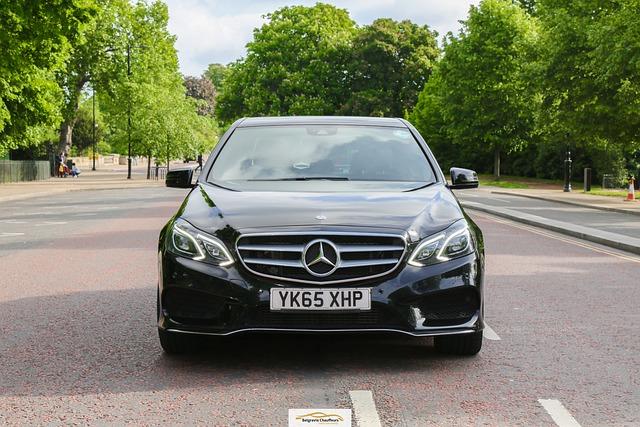
Dependency on Chauffeurs and Erosion of Self-Sufficiency
In the realm of luxury and comfort, the presence of full-time chauffeurs can inadvertently lead to an erosion of self-sufficiency within affluent families. This reliance on personal drivers not only diminishes the need for individuals to navigate the complexities of travel independently but also fosters a sense of detachment from everyday responsibilities. The convenience of having a chauffeur at one’s beck and call may cultivate an environment where basic skills, such as planning routes or managing time effectively, become obsolete.
- Reduced problem-solving abilities: With chauffeurs handling all driving-related challenges, individuals may lose opportunities to enhance their decision-making skills.
- Decreased awareness of surroundings: Being driven everywhere can result in a lack of familiarity with one’s environment, impacting spatial awareness.
- Limited engagement with public transport: Dependence on private drivers discourages the use of public transit, which can offer valuable social interactions and real-world experiences.
Ultimately, while the luxury of a personal driver is undeniable, it is crucial to recognize the subtle ways in which it can undermine personal growth and self-reliance, particularly in younger family members who are still developing their life skills.
Encouraging Active Lifestyles and Personal Responsibility
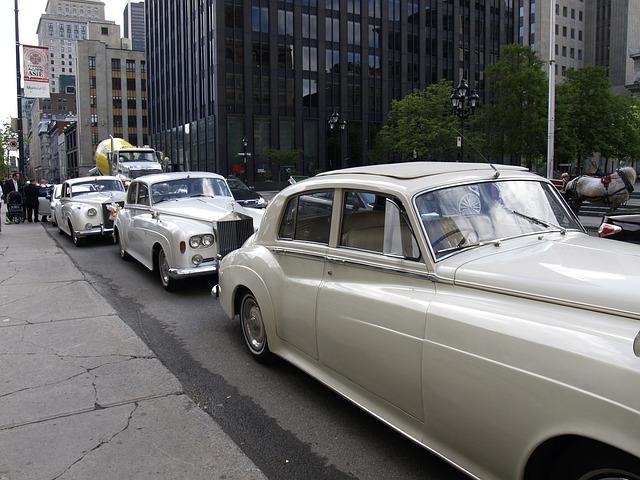
In today’s fast-paced world, the convenience of having a full-time chauffeur can seem like an attractive option for affluent families. However, this luxury often comes at the expense of encouraging active lifestyles and instilling a sense of personal responsibility in family members. The dependency on a chauffeur can inadvertently lead to a sedentary lifestyle, diminishing opportunities for physical activity and self-sufficiency. When children and teenagers rely on being driven everywhere, they miss out on the simple yet impactful activities such as walking or biking, which contribute to their overall health and well-being.
Moreover, the absence of responsibilities like planning routes or managing time for travel can hinder the development of essential life skills. To counteract this trend, families can adopt strategies that encourage more independence and activity, such as:
- Incorporating daily walks or bike rides into their routine, promoting cardiovascular health and mental well-being.
- Encouraging the use of public transportation, which fosters a sense of responsibility and environmental awareness.
- Setting personal travel goals for family members, such as completing errands on foot or by bike.
By making these small changes, families can promote a healthier, more active lifestyle while also nurturing a sense of accountability and self-reliance among their members.
Implementing Balanced Transportation Solutions for Families
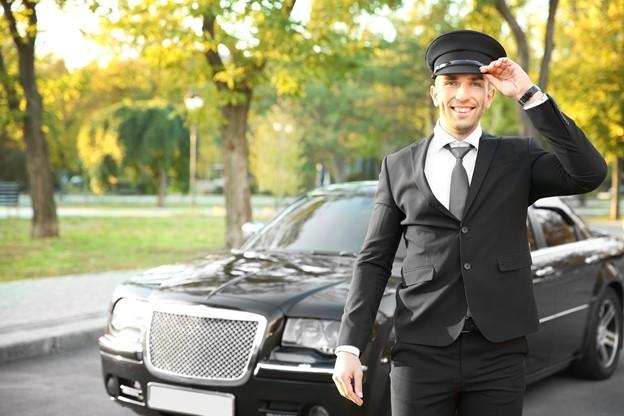
In today’s fast-paced world, the convenience of having full-time chauffeurs can inadvertently lead to a sedentary lifestyle, especially in affluent households. While this service offers undeniable benefits such as enhanced safety and time management, it is crucial to consider the broader implications on family dynamics and health. Implementing a balanced approach to transportation can foster independence and promote physical activity. Families can explore alternatives that encourage a more active lifestyle, such as:
- Scheduled Family Walks: Set aside time each week for family walks or bike rides to nearby destinations, fostering both physical health and family bonding.
- Public Transportation Exploration: Encourage older children to navigate public transit systems, enhancing their sense of direction and self-reliance.
- Carpooling with Neighbors: Organize carpools for school or extracurricular activities, which can build community ties and reduce environmental impact.
By integrating these practices, families can create a more dynamic lifestyle that not only benefits individual health but also strengthens familial connections. A balanced transportation approach ensures that the convenience of a chauffeur does not overshadow the importance of personal growth and active engagement with the world.