
In recent years, the debate surrounding the ethics of funding private education for children has intensified, reflecting broader societal concerns about equity, privilege, and access to quality education. As parents increasingly grapple with the decision of whether to invest in private schooling, questions arise about the implications of such choices on social justice and the public education system. This article seeks to dissect the ethical considerations involved in opting for private education, examining the motivations behind this decision and its potential impact on both individual students and the community at large. By exploring diverse perspectives and analyzing the broader consequences of private education funding, we aim to provide a comprehensive understanding of this complex issue, empowering parents and policymakers to make informed decisions that align with both personal values and societal responsibilities.
The Moral Dilemma of Financing Private Education
In a world where educational opportunities are often linked to economic privilege, the decision to finance private education for one’s children can raise significant ethical questions. On one hand, parents naturally desire the best possible education for their children, one that often promises smaller class sizes, specialized curricula, and a network of influential peers. However, the decision to invest in private education may inadvertently contribute to a cycle of inequality, where resources are funneled away from public schools, exacerbating disparities in educational quality. This financial choice may inadvertently endorse a system that privileges those who can afford it, potentially leaving less affluent families behind.
The ethical considerations extend beyond individual family choices to societal implications. When parents choose private over public education, they may unintentionally withdraw support and resources that could benefit the broader community. Some critical questions to consider include:
- Does funding private education promote an elitist mindset that undermines public education systems?
- How does this choice impact the diversity and inclusivity within educational environments?
- What responsibilities do parents have towards ensuring equitable education for all children, not just their own?
While the decision to finance private education is deeply personal, it is intertwined with broader societal responsibilities. As such, parents must weigh the potential benefits to their children against the broader impact on educational equity and social justice.
Analyzing the Impact of Socioeconomic Disparities in Education
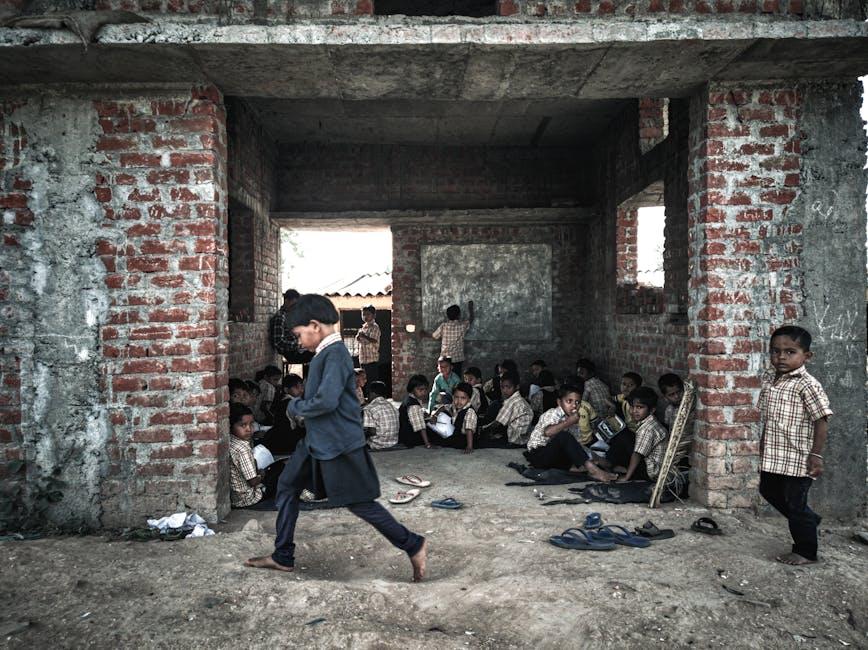
In examining the influence of socioeconomic disparities on education, it becomes clear that the choice to fund private education is not merely a personal decision but a reflection of broader systemic issues. Private education often offers smaller class sizes, enriched curricula, and enhanced extracurricular opportunities. However, it also raises critical questions about equity and access, as it inherently excludes those who cannot afford it, thus perpetuating existing social divides.
- Access to Resources: Private institutions typically provide access to superior resources, from advanced technology to experienced educators, which public schools may lack due to funding constraints.
- Social Segregation: By funding private education, families may inadvertently contribute to the segregation of students based on economic status, further entrenching social barriers.
- Impact on Public Schools: The preference for private education can lead to reduced funding and support for public schools, exacerbating the challenges they face and widening the educational gap.
Ultimately, the decision to invest in private education must be weighed against its potential to amplify educational inequities. While it may benefit individual students, it raises profound ethical questions about the collective responsibility to ensure equal educational opportunities for all children.
Balancing Personal Values with Social Responsibility
When contemplating the ethics of funding private education for one’s children, it becomes essential to weigh personal aspirations against broader societal implications. On one hand, parents naturally desire the best educational opportunities for their offspring, seeking environments that promise individualized attention, superior resources, and an enriching curriculum. On the other hand, opting for private schooling can unintentionally contribute to societal divides, potentially exacerbating educational inequality. This decision raises the question of whether prioritizing personal values might inadvertently detract from collective social responsibilities.
Considerations include:
- Equity in Education: Private schools often have resources that public schools lack, leading to a disparity in educational quality.
- Community Impact: Investing in local public schools could foster improvements that benefit a broader demographic, promoting social equity.
- Long-term Societal Benefits: A strong public education system is foundational to a thriving society, reducing gaps in opportunity.
Ultimately, the ethicality of choosing private education hinges on the balance between pursuing personal excellence and contributing to the common good. Parents must critically assess whether their choice aligns with their values of fairness and social responsibility.

Strategic Recommendations for Ethical Educational Investments
When considering ethical educational investments, it’s crucial to balance personal benefits with broader societal impacts. Investing in private education for your children can offer immediate advantages such as smaller class sizes, specialized curricula, and enhanced extracurricular activities. However, it is essential to consider the wider implications on educational equality. By channeling resources into private education, one might inadvertently contribute to the stratification of educational opportunities. To navigate these complexities, consider the following strategic recommendations:
- Evaluate Community Impact: Assess how funding private education affects local public schools. Support initiatives that foster collaboration between private and public educational institutions.
- Promote Inclusivity: Advocate for private schools that offer scholarships and outreach programs to students from diverse backgrounds, ensuring that educational opportunities are not limited by socioeconomic status.
- Engage in Policy Discussions: Participate in dialogues about educational policy to push for systemic changes that reduce disparities in educational quality and access.
By adopting these strategies, one can make more ethically informed decisions that not only benefit their children but also contribute to a more equitable educational landscape.