
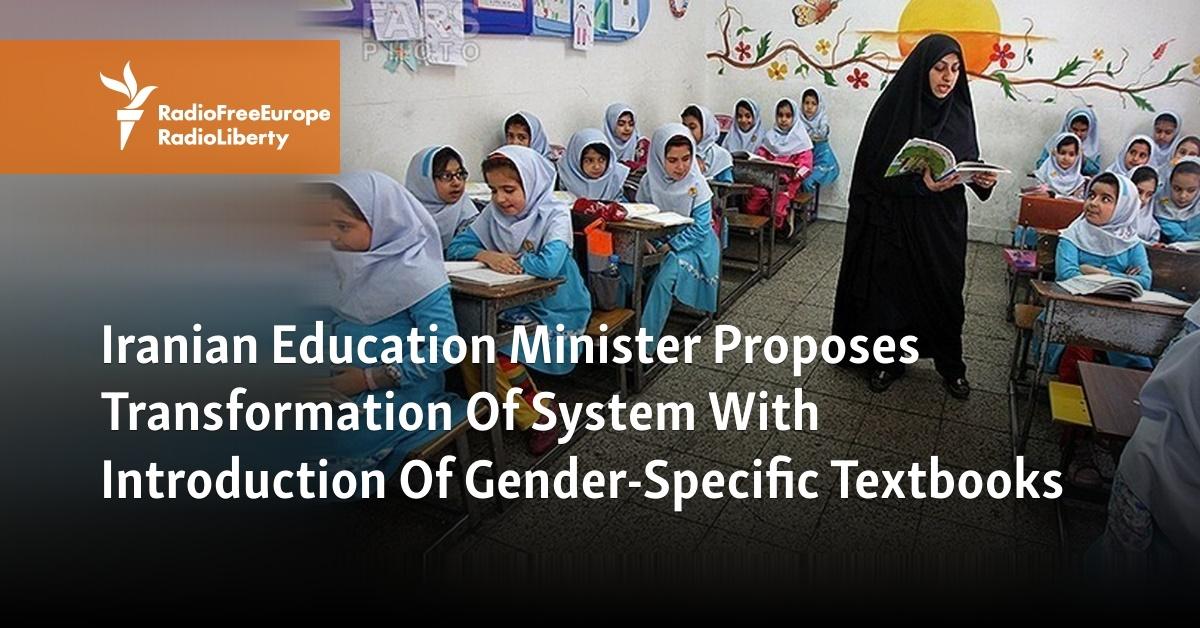
In the contemporary landscape of education, where equality and inclusivity are heralded as fundamental principles, the practice of gender-specific education stands as a contentious issue. Advocates argue that tailoring educational environments to the distinct needs of boys and girls can enhance learning outcomes and personal development. However, a closer analysis reveals that gender-specific education often perpetuates outdated stereotypes, leading to unfair advantages that undermine the very essence of equitable learning opportunities. By examining the structural biases inherent in these educational models, this article seeks to unravel the complexities and consequences of gender-segregated schooling. Through a critical lens, we will explore how these systems not only influence academic performance but also shape societal perceptions of gender roles, ultimately questioning whether they serve the best interests of students in an increasingly diverse world.
Impact of Gender-Specific Education on Academic Performance
In analyzing the nuances of education tailored specifically to genders, it becomes evident that such systems may inadvertently foster disparities in academic performance. Research indicates that gender-specific education can lead to environments that reinforce traditional gender roles, limiting the diversity of experiences and perspectives that coeducational settings naturally provide. Boys and girls, when educated separately, often miss out on the opportunity to develop interpersonal skills crucial for collaboration in mixed-gender environments. This segregation can create educational atmospheres where stereotypes are perpetuated rather than challenged.
Furthermore, these educational settings often allocate resources and design curriculums based on generalized gender characteristics, potentially leading to unequal opportunities. Consider the following impacts:
- Resource Allocation: Schools may invest more in programs traditionally associated with one gender, such as STEM for boys and arts for girls, inadvertently neglecting other critical areas.
- Curriculum Design: Lessons might emphasize different skill sets, with boys encouraged towards assertiveness and girls towards empathy, impacting future career choices and leadership roles.
- Teacher Expectations: Educators might unconsciously hold biases, expecting boys to excel in math and science while encouraging girls in language arts, thus shaping students’ self-perceptions and academic trajectories.
The result is a skewed educational experience, where students are not afforded the full breadth of learning opportunities, thereby affecting their academic and professional outcomes.
Analyzing the Socioeconomic Implications of Segregated Learning Environments
When educational systems adopt gender-specific frameworks, they inadvertently foster environments that may perpetuate systemic inequities. Socioeconomic disparities are often magnified in these settings, where resources are unevenly distributed based on perceived gender needs. Schools catering to one gender may receive different funding, facilities, and opportunities, resulting in an uneven playing field. This can lead to a reinforcement of traditional gender roles and limit access to diverse educational experiences, impacting future economic mobility and societal roles.
Consider the following implications of gender-segregated education:
- Resource Allocation: Disparities in funding and resources can lead to varying educational quality.
- Career Preparation: Limited exposure to diverse role models and subjects can affect career choices and opportunities.
- Social Skills: A lack of interaction between genders may hinder the development of essential social skills.
Gender-specific education, while sometimes well-intentioned, often inadvertently supports a cycle of inequality. It’s essential to critically evaluate these environments to ensure they do not propagate further socioeconomic divides.

Examining the Psychological Consequences of Gendered Educational Practices
In exploring the intricate web of psychological consequences that stem from gendered educational practices, it becomes apparent that these methods often result in significant disparities. By channeling students into gender-specific roles and expectations, educational systems inadvertently nurture an environment where certain groups receive advantages over others. This can manifest in various forms, including:
- Differential Treatment: Boys and girls may be encouraged to pursue subjects traditionally aligned with gender stereotypes, such as boys in STEM and girls in the arts, potentially stifling interest and proficiency in other areas.
- Self-Perception Issues: Students may develop a skewed sense of self-worth and capability, believing that their gender inherently limits or dictates their potential.
- Socialization and Peer Interaction: Gender-segregated activities can hinder the development of healthy, cooperative relationships across genders, reinforcing societal divides.
Such practices not only perpetuate existing stereotypes but also hinder the development of a more inclusive and equitable educational landscape. The psychological ramifications can be profound, affecting students’ confidence, aspirations, and overall mental health. By critically examining these consequences, educators and policymakers can work towards dismantling these outdated practices, paving the way for a more balanced and fair educational experience for all students.
Strategic Recommendations for Creating Equitable Educational Opportunities
To address the challenges posed by gender-specific education systems, it is crucial to implement strategies that foster inclusivity and fairness in educational opportunities. One effective approach is to encourage co-educational learning environments that promote gender-neutral teaching methods. This can be achieved by designing curricula that emphasize collaboration and equal participation, ensuring that all students, regardless of gender, have access to the same resources and opportunities. Additionally, fostering a culture of open dialogue about gender biases and stereotypes can help dismantle existing prejudices and create a more supportive environment for all learners.
- Implement training programs for educators to recognize and address unconscious biases.
- Develop mentorship and support networks that empower students of all genders.
- Integrate gender studies into the curriculum to enhance awareness and understanding.
- Encourage parental and community involvement to reinforce equitable practices outside of school.
By adopting these strategies, educational institutions can create a more equitable landscape that not only respects diversity but also prepares students to thrive in a diverse world.